
Electronics Pliers
Pay in 3 interest-free payments on purchases from £30-2000 with  . Learn more.
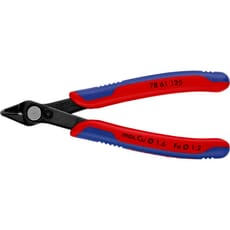
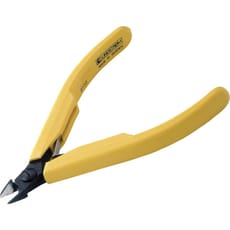
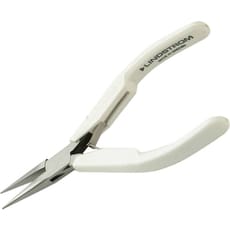
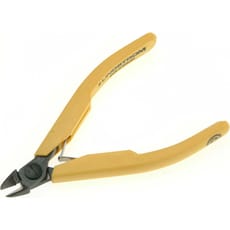
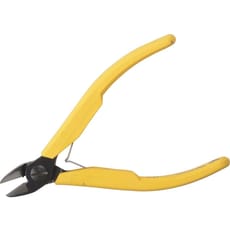
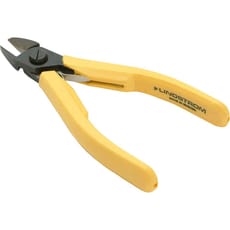
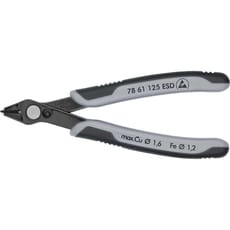
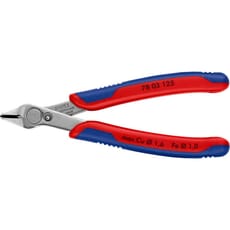
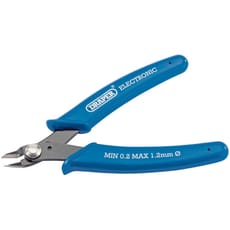
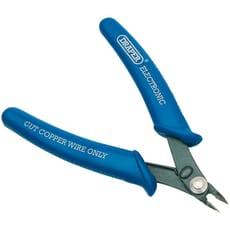
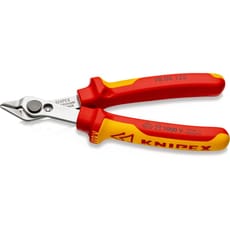
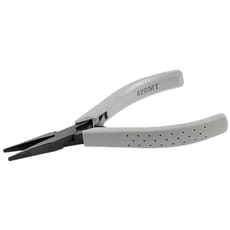
 Loading...
End of content
Error - No more pages to load
About Electronics Pliers
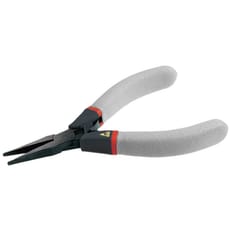
Electronics pliers are precision hand tools specifically engineered for delicate work with electronic components, fine wiring, and intricate assembly tasks. Unlike standard pliers, these specialised tools feature finely machined jaws, smooth cutting edges, and ergonomic handles that deliver the control and accuracy essential for working with sensitive electronic equipment. MyToolShed.co.uk stocks a comprehensive range including precision cutters, flush cut nippers, snipe nose pliers, and diagonal cutting pliers from industry-leading manufacturers such as Knipex, Lindstrom, Facom, and Draper.
Whether you're soldering circuit boards, assembling control panels, or repairing consumer electronics, the right electronics pliers make the difference between professional results and damaged components. Many tools in this range feature ESD (Electrostatic Discharge) protection to safeguard sensitive components, whilst VDE-certified options provide essential electrical insulation for live circuit work up to 1000V AC. From ultra-flush cutting nippers for close-to-board component removal to fine-tipped snipe nose pliers for intricate wire manipulation, you'll find the specialist tools needed for professional electronics work.
Applications
Electronics pliers are essential tools for a diverse range of professionals and applications:
- Electronics Engineers - prototyping, circuit board assembly, and product development
- Bench Technicians - repair and maintenance of electronic equipment and consumer goods
- Electricians and Sparkies - control panel wiring, sensor installation, and fine electrical work
- Telecommunications Engineers - fibre optic work, cable termination, and network installation
- Computer Repair Specialists - hardware upgrades, component replacement, and system builds
- Automotive Electricians - working with vehicle electronics, sensors, and diagnostic equipment
- Instrumentation Technicians - installing and maintaining precision measurement equipment
- Hobbyists and Makers - electronics projects, Arduino/Raspberry Pi builds, and DIY repairs
Choosing The Right Electronics Pliers
Cutting Edge Type: Flush cut nippers are essential for removing component leads cleanly from circuit boards, whilst micro bevel edges offer greater durability for general wire cutting. Ultra-flush cutters provide the closest possible cut but require more careful use to prevent edge damage.
ESD Protection: When working with static-sensitive components like CMOS chips or microprocessors, invest in ESD-protected pliers with dissipative handles. Standard tools can generate static charges exceeding 10,000 volts, potentially destroying modern electronic components instantly.
Jaw Configuration: Consider whether you need cutting pliers, gripping pliers, or both. Snipe nose pliers excel at wire bending and component positioning, whilst diagonal cutters are optimised for clean wire cuts. Thin jaw designs access cramped spaces on densely populated circuit boards.
Quality and Brand: Premium brands like Knipex, Lindstrom, and Facom offer superior cutting edge retention, precise jaw alignment, and smooth action that justify their investment for professional use. MyToolShed.co.uk also stocks Draper tools, providing excellent value for occasional users and apprentices.
VDE Certification: If you'll work on live circuits or 240v powered equipment, VDE-certified tools are essential for safety, providing tested insulation to 1000V AC and meeting stringent European safety standards.
Safety Information
Electrical Safety: Never use standard electronics pliers on live circuits unless they carry VDE certification. Always isolate power sources before working on electrical equipment whenever possible, particularly with 240v mains-powered devices.
Eye Protection: Wear safety glasses when cutting wire or component leads, as cut ends can fly off at high speed and cause serious eye injury.
ESD Precautions: Even with ESD-protected pliers, establish proper grounding through wrist straps and anti-static mats when handling sensitive components. Follow HSE guidance for electronics assembly environments.
Frequently Asked Questions
What's the difference between flush cut and standard cutting pliers?
Flush cut pliers have cutting edges designed to cut component leads or wire extremely close to a circuit board or surface, leaving virtually no protruding material. Standard cutters leave a small protrusion. Ultra-flush variants cut even closer but have more delicate edges requiring careful use. Flush cutting is essential for professional PCB work and applications where protruding leads could cause short circuits.
Do I really need ESD-protected pliers?
If you work with modern electronic components, particularly CMOS integrated circuits, microprocessors, or sensitive sensors, ESD protection is essential. Static discharge you can't even feel (as little as 100 volts) can permanently damage or degrade these components. Whilst ESD wrist straps and mats are your primary defence, ESD-protected tools provide an additional safety layer for professional electronics work.
Can I use regular pliers for electronics work?
Standard pliers are generally too large and crude for delicate electronics work. Their jaws can crush components, whilst rough edges may scratch circuit boards or damage wire insulation. Electronics pliers feature precisely machined, smooth jaws and finer tips that provide the control needed for working with small components, quickly justifying their investment through reduced component damage.