
Electrodes

Pay in 3 interest-free payments on purchases from £20-£3000 with  . Learn more.
Loading...
End of content
Error - No more pages to load
About Electrodes
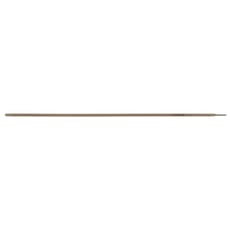
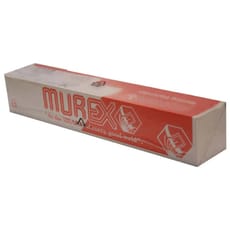
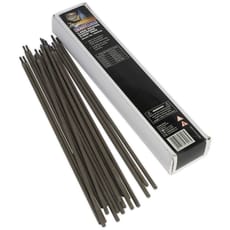
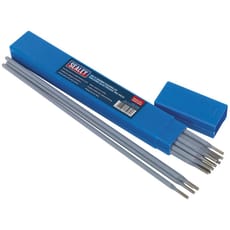
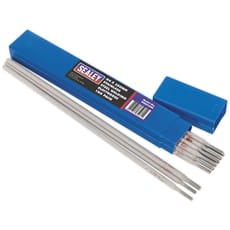
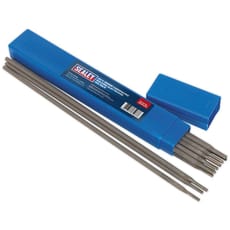
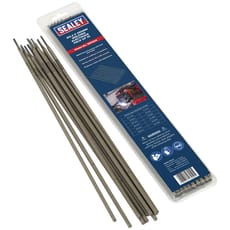
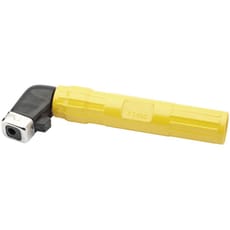
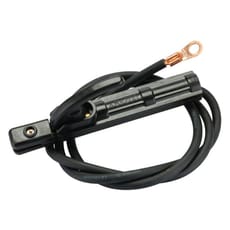
Welding electrodes are essential consumables for arc welding processes, serving as the conductor through which electrical current passes to create the heat needed for joining metals. MyToolShed.co.uk stocks a comprehensive range of electrodes for both MMA (Manual Metal Arc) and TIG (Tungsten Inert Gas) welding applications, from general purpose stick electrodes for everyday fabrication to specialist options for stainless steel, dissimilar metals, and hardfacing work. Our selection includes trusted brands such as Draper, Sealey, and Murex, alongside electrode holders to ensure safe and efficient operation.
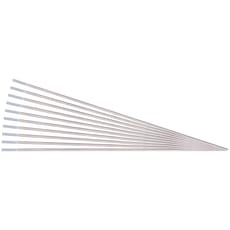
The right electrode choice is crucial for achieving strong, clean welds across various materials and working positions. Whether you're a professional fabricator requiring low-hydrogen electrodes for critical structural work, or a DIY enthusiast tackling repairs around the property, MyToolShed.co.uk offers tungsten electrodes for precision TIG welding (including ceriated, thoriated, and zirconiated types), consumable stick electrodes in various diameters and classifications, and all the accessories needed to complete your welding setup.
Applications
Welding electrodes are indispensable across numerous trades and industries:
- Fabricators and Welders: Structural steelwork, metal fabrication, and custom manufacturing in workshops and on-site
- Maintenance Engineers: Repairing industrial equipment, agricultural machinery, and plant infrastructure
- Construction Workers: Steel installation, reinforcement work, and general metalwork on building sites
- Automotive Technicians: Chassis repairs, exhaust fabrication, and custom vehicle modifications
- Agricultural Workers: Field repairs on farming equipment and machinery maintenance
- Pipeline and Pressure Vessel Welders: Certified welding procedures for critical applications
- DIY Enthusiasts: Garden projects, restoration work, and general metalwork repairs
Choosing The Right Electrodes
Base Material: Match your electrode to the workpiece material. General purpose electrodes suit mild steel fabrication, whilst stainless steel requires E316 or E308 electrodes. For dissimilar metals, specialist E312 electrodes prevent cracking and ensure proper fusion.
Electrode Diameter: Thicker materials need larger diameter electrodes (typically 1.6mm to 5mm). Smaller diameters offer better control for thin sheet metal and positional welding, whilst larger sizes suit higher current settings and faster deposition rates.
Welding Position: Check the electrode classification for position suitability. All-position electrodes provide versatility for vertical and overhead work, whilst others are optimised for flat and horizontal positions only.
Current Type: Verify your welding machine provides AC, DC, or both, and select compatible electrodes. Some perform better with specific polarities.
Tungsten Type for TIG: Choose ceriated tungsten for versatile AC and DC applications, thoriated for excellent DC performance, or zirconiated for AC aluminium welding, based on your specific requirements.
Safety Information
Eye Protection: Always use an approved welding helmet with appropriate shade rating (typically shade 10-12) to protect against UV and infrared radiation. Arc flash can cause serious eye damage even from brief exposure.
Fume Extraction: Ensure adequate ventilation or use local exhaust ventilation systems, particularly when welding stainless steel, galvanised materials, or working in confined spaces. Follow COSHH regulations regarding welding fume exposure.
Personal Protective Equipment: Wear flame-resistant clothing, leather welding gloves, and safety boots with no exposed skin. Remove all flammable materials from your person.
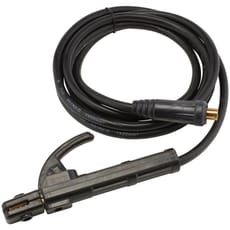
Electrical Safety: Inspect electrode holders and cables regularly for damage. Never change electrodes with wet gloves, and ensure your welding machine is properly earthed and suitable for site conditions.
Frequently Asked Questions
How should I store welding electrodes?
Keep electrodes in a dry environment, ideally in their original sealed packaging until use. Moisture absorption compromises the flux coating, leading to porosity and poor weld quality. Low-hydrogen electrodes may require re-drying in an electrode oven if exposed to damp conditions.
What do electrode classification numbers mean?
The classification system (e.g., E6013) provides key information: 'E' indicates electrode, the first two digits show tensile strength in thousands of PSI, the third digit indicates suitable welding positions (1 = all positions, 2 = flat and horizontal), and the fourth describes coating type and suitable current.
Can I use the same electrodes for all types of steel?
No, different steel types require appropriate electrodes. General purpose electrodes work for mild steel, but stainless steel needs specific electrodes (E316, E308) to maintain corrosion resistance. Using incorrect electrodes can result in weak welds, cracking, or corrosion issues.