
Ear Plugs

Pay in 3 interest-free payments on purchases from £20-£3000 with  . Learn more.
Loading...
End of content
Error - No more pages to load
About Ear Plugs
Ear plugs are essential personal protective equipment (PPE) designed to reduce harmful noise levels in industrial, construction and workshop environments. Whether you're working with power tools on site, operating machinery in a factory, or tackling noisy DIY projects at home, quality ear plugs provide crucial protection against hearing damage whilst maintaining awareness of your surroundings. With prolonged exposure to noise levels above 85 decibels, permanent hearing loss can occur, making proper hearing protection not just a legal requirement under HSE regulations but a vital investment in your long-term health.
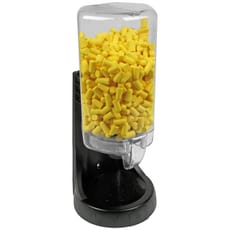
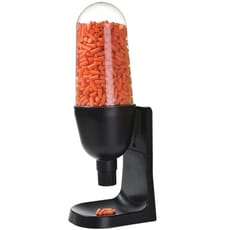
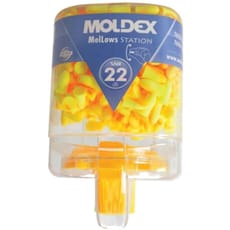
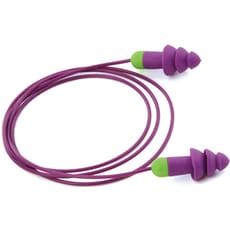
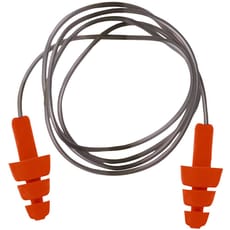
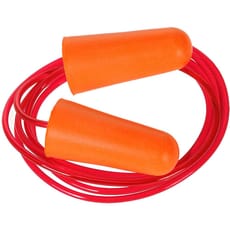
MyToolShed.co.uk stocks a comprehensive range of ear plugs including disposable foam varieties ideal for short-term use, reusable corded options for convenience and cost-effectiveness, and specialised detectable variants for food industry applications. Available from trusted brands including Moldex, Portwest, Scan, Milwaukee, Sealey and Draper, our ear plugs offer various noise reduction ratings (SNR) to suit different working environments. From individual pairs to bulk dispensers and refill stations, MyToolShed supplies solutions for sole traders, large site teams and health and safety managers maintaining compliant PPE provisions.
Applications
Ear plugs are essential across numerous trades and industries where noise exposure exceeds safe levels:
- Construction workers and site managers – protection from heavy machinery, power tools and impact equipment
- Carpenters and joiners – safeguarding hearing during prolonged use of circular saws, routers and planers
- Electricians and sparkies – protection when using drills, grinders and other power equipment
- Factory and warehouse operatives – essential in noisy industrial environments with continuous machinery operation
- Ground workers and landscapers – protection from petrol-powered equipment like chainsaws and strimmers
- Metal fabricators and welders – defence against grinding, cutting and hammering noise
- Food production workers – detectable ear plugs meeting hygiene and safety standards
- Maintenance engineers – protection during equipment servicing and repairs
- DIY enthusiasts – home workshop users operating noisy power tools
Choosing The Right Ear Plugs
Noise Reduction Rating: Consider your working environment's typical noise levels. Most industrial settings require ear plugs with an SNR of at least 25-30dB. For extremely loud environments like steel fabrication or demolition work, opt for higher-rated plugs (35dB+) or combine with ear defenders for maximum protection.
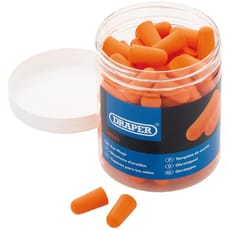
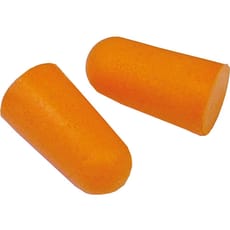
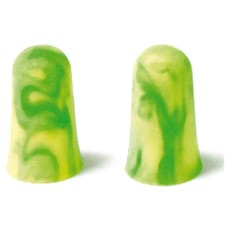
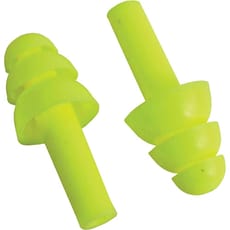
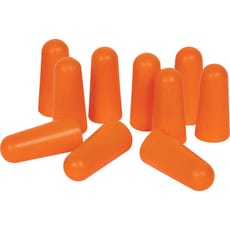
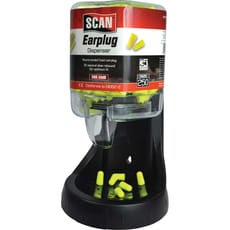
Disposable vs Reusable: Disposable foam ear plugs offer hygiene and convenience for occasional use or when supplying large teams, whilst reusable TPR or silicone plugs provide better long-term value for individual tradespeople needing daily protection. Consider dispenser stations and refill tubs for busy sites with multiple workers.
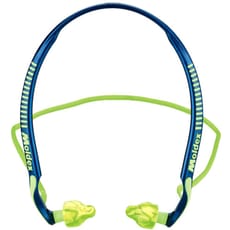
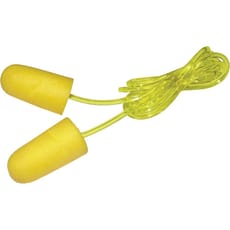
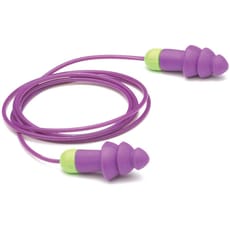
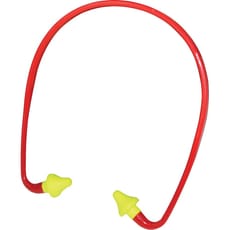
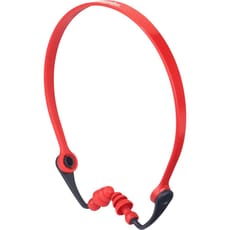
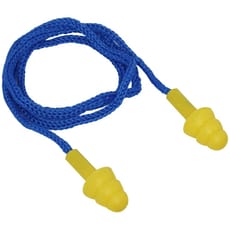
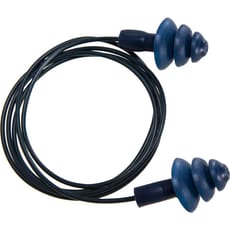
Corded or Uncorded: Corded ear plugs prevent loss and stay readily accessible around your neck – ideal for workers moving between quiet and noisy areas throughout the day. Uncorded versions suit continuous all-day wear, whilst banded options offer quick on-off convenience for intermittent exposure.
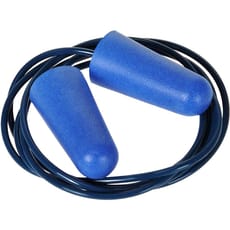
Industry-Specific Requirements: Food manufacturing and pharmaceutical facilities require detectable ear plugs that comply with contamination prevention protocols. These bright blue plugs contain metal particles visible to detection systems, preventing foreign object contamination risks.
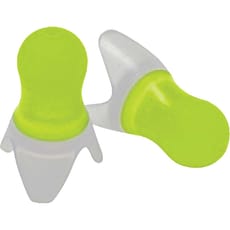
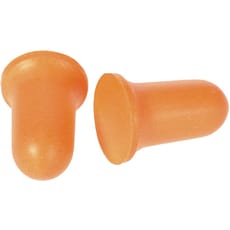
Comfort and Fit: Ear plugs must seal properly to provide adequate protection. Foam varieties compress before insertion then expand to fit snugly, whilst pre-moulded reusable plugs come in different sizes. Consider bell-shaped or rocket-style designs for extended wear comfort.
Safety Information
Hearing protection is mandatory under the Control of Noise at Work Regulations 2005 when workplace noise exposure reaches certain levels. Employers must provide suitable hearing protection where noise exceeds 85dB over an 8-hour period, and ensure its use is mandatory at 87dB or above. Correct insertion is crucial for effectiveness – foam ear plugs must be rolled tightly, inserted whilst pulling the ear upwards and backwards, then held in place whilst they expand fully. Disposable ear plugs should be replaced after each use or when soiled, whilst reusable variants require cleaning with mild soap and water after each use. Never share ear plugs between workers due to hygiene concerns.
Frequently Asked Questions
What noise reduction rating do I need for building site work?
For typical construction sites with power tools and machinery, ear plugs with an SNR of 25-32dB provide adequate protection for most tasks. Extremely loud activities like concrete breaking or steel cutting may require higher ratings (33-37dB) or dual protection combining ear plugs with ear defenders.
How long do reusable ear plugs last?
With proper care and cleaning, quality reusable ear plugs typically last several weeks to months depending on frequency of use and working conditions. Inspect them regularly and replace when you notice hardening, tearing, loss of flexibility or if they no longer seal comfortably.
Why do food industry ear plugs need to be detectable?
Detectable ear plugs meet food safety requirements by being easily visible (bright blue stands out against most food products) and containing metal particles that trigger metal detection systems if accidentally lost during production. This prevents contamination incidents and helps maintain HACCP compliance in food manufacturing facilities.