
Dusting Brushes

Pay in 3 interest-free payments on purchases from £20-£3000 with  . Learn more.
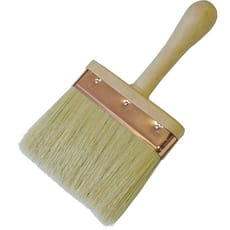
About Dusting Brushes
Dusting brushes are essential hand tools for maintaining clean, debris-free work surfaces and equipment across professional trades and DIY projects. Featuring soft, fine bristles designed to sweep away sawdust, plaster residue, and fine particles without scratching delicate surfaces, these specialised brushes are indispensable for joiners, decorators, electricians, and workshop enthusiasts. MyToolShed.co.uk stocks professional-grade dusting brushes from trusted brands like Faithfull, constructed with natural or synthetic bristles set into durable wooden, plastic, or metal handles.
Unlike standard household brushes, trade-quality dusting brushes are engineered to withstand the rigorous demands of professional environments. The bristle density and softness are carefully balanced to effectively capture fine particles whilst remaining gentle enough for use on polished surfaces, finished woodwork, and sensitive equipment. Whether you're preparing timber for finishing, cleaning electrical enclosures, or maintaining precision machinery, a quality dusting brush helps maintain the professional standards UK tradespeople demand.
Applications
Dusting brushes are valuable tools across numerous trades and applications:
- Joiners and Carpenters - removing sawdust from timber surfaces, cleaning workbenches, and preparing wood for finishing
- Decorators and Painters - dusting surfaces before painting, cleaning skirting boards, and preparing walls for decoration
- Electricians - cleaning electrical enclosures, switch panels, and cable runs without damaging components
- Cabinet Makers - maintaining dust-free surfaces during fine woodworking and furniture construction
- Stone Masons and Plasterers - removing fine dust and residue from work surfaces between stages
- Automotive Technicians - cleaning engine bays, interiors, and delicate components
- General Maintenance Workers - keeping workshops, tool storage areas, and equipment clean and organised
- DIY Enthusiasts - maintaining home workshops and cleaning projects during renovation work
Choosing The Right Dusting Brushes
Bristle Material: Natural bristles offer anti-static properties ideal for electronic equipment and delicate surfaces, whilst synthetic bristles provide superior durability and chemical resistance for heavy-duty site work. Consider horsehair for finished surfaces or nylon for robust construction cleaning.
Bristle Length and Stiffness: Longer, softer bristles suit general dusting and delicate work, whilst shorter, stiffer bristles tackle stubborn debris. Match bristle characteristics to your typical applications—fine furniture work requires gentle bristles, whereas site cleaning may need more robust options.
Handle Design and Size: Comfortable wooden handles provide excellent grip for frequent use. Consider brush dimensions appropriate to your tasks—larger brushes cover broad workbench surfaces quickly, whilst smaller brushes access tight spaces and detailed work. Look for hanging holes for convenient storage on tool boards.
Build Quality: Professional-grade brushes from MyToolShed.co.uk feature securely fastened bristles that won't shed during use, robust construction that withstands daily wear, and quality materials throughout for years of reliable service.
Frequently Asked Questions
How do I clean and maintain my dusting brush?
Regularly tap the brush against a hard surface to dislodge trapped dust. For deeper cleaning, comb through bristles to remove embedded particles. Natural bristle brushes can be washed occasionally with mild soap and warm water, then hung to dry with bristles facing downward. Avoid soaking wooden handles to prevent warping.
Can I use a dusting brush on electronic equipment?
Yes, dusting brushes with natural bristles are excellent for electronics because they're naturally anti-static, reducing electrostatic discharge risks. Always ensure equipment is powered off and disconnected before cleaning, and use gentle sweeping motions to avoid dislodging components.
What's the difference between a dusting brush and a paint brush?
Dusting brushes feature softer, denser bristles specifically designed for dust collection rather than paint application. They have more flexible bristles that sweep rather than apply, and aren't designed to hold liquids. Paint brushes have bristles shaped for paint retention and smooth application.