

Drywall Hammers
Pay in 3 interest-free payments on purchases from £30-2000 with  . Learn more.
 Loading...
End of content
Error - No more pages to load
About Drywall Hammers
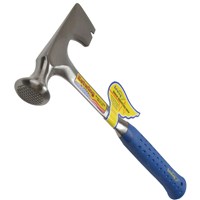
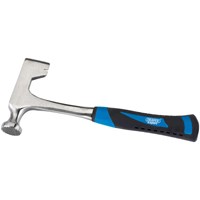
A drywall hammer is a specialised hand tool engineered specifically for installing plasterboard and drywall panels efficiently and professionally. Unlike standard claw hammers, these purpose-built tools feature a distinctive crowned or milled striking face that drives nails flush without damaging the paper surface of the plasterboard, creating a perfect dimple ready for filling. The hatchet-style blade on the reverse replaces the traditional claw, enabling you to score, trim and adjust boards without reaching for additional cutting tools. MyToolShed.co.uk stocks quality drywall hammers from trusted brands including Draper and Estwing, designed to meet the demands of professional tradespeople and serious DIY enthusiasts.
Professional-grade drywall hammers typically weigh between 350-450 grams and feature longer handles than conventional hammers, providing enhanced leverage and reach when working on walls and ceilings. Modern designs incorporate soft-grip materials and shock-absorbing technology to reduce hand fatigue during extended site work. Many models include a magnetic nail starter on the striking face, allowing single-handed nail positioning—an invaluable feature when working overhead or in awkward positions where you need to hold boards simultaneously.
Applications
Drywall hammers are essential tools for various trades and projects:
- Dry Liners and Plasterers – Installing plasterboard across residential and commercial construction projects
- General Builders – Creating internal partitions, stud walls and ceiling installations
- Shopfitters – Rapid plasterboard installation in retail and commercial interior fit-outs
- Maintenance Teams – Repairs, alterations and refurbishment work in domestic and commercial properties
- Self-Builders and DIY Enthusiasts – Loft conversions, partition walls, ceiling repairs and home improvements
- Construction Sites – New builds and renovation projects requiring efficient internal finishing work
Choosing The Right Drywall Hammers
Consider frequency of use first—professional dry liners working daily should invest in premium brands like Estwing with their legendary durability, whilst occasional DIY users will find excellent value in quality options from Draper Expert. Head weight significantly impacts performance: lighter hammers around 350g reduce fatigue during overhead ceiling work, whilst heavier models at 400-450g drive nails more efficiently on vertical surfaces with less effort required.
Handle design affects comfort during extended use. Look for soft-grip handles with shock-absorbing properties to minimise vibration and hand fatigue. Handle length typically ranges from 330-380mm—longer handles provide better leverage for ceiling work, whilst shorter designs offer improved control in confined spaces. Examine the striking face: both crowned and milled surfaces prevent paper tearing, though personal preference often dictates choice. Finally, assess the axe edge quality—a sharp, well-tempered blade cuts plasterboard cleanly without excessive force. MyToolShed.co.uk offers drywall hammers suited to both professional site work and demanding DIY projects.
Safety Information
Always wear safety glasses when hammering to protect against flying nail fragments and plasterboard dust. Consider work gloves to prevent blisters during extended use and protect hands from sharp board edges. Keep the axe edge sharp—dull blades require excessive force and increase slippage risks. When working overhead, ensure platform stability and avoid overreaching. Inspect your hammer regularly, checking the head remains securely attached to the handle. Store with the axe edge covered or facing away from walkways to prevent accidental contact.
Frequently Asked Questions
What's the difference between a drywall hammer and a regular claw hammer?
Drywall hammers feature a specially crowned or milled face that drives nails flush without damaging plasterboard's paper surface, creating a dimple ready for filling. The reverse has a hatchet-style blade for cutting and trimming boards, rather than a claw. They're typically lighter with longer handles for improved control during repetitive plasterboard installation work.
Should I use nails or screws for plasterboard?
Both methods have advantages. Drywall nails driven with a proper hammer are faster for large wall areas, popular with professional dry liners. However, screws provide superior holding power and won't loosen over time, making them preferable for ceilings and areas subject to vibration. Many tradespeople use nails for walls and screws for ceilings depending on project requirements.
What weight drywall hammer should I choose?
Most professional models weigh 350-450 grams. Lighter hammers around 350g suit overhead ceiling work and reduce fatigue, whilst heavier options at 400-450g drive nails more efficiently on vertical surfaces. For mixed work including ceilings, a mid-weight hammer around 380-400g balances driving power with comfortable handling during extended use.