
Drippers
Pay in 3 interest-free payments on purchases from £30-2000 with  . Learn more.
 Loading...
End of content
Error - No more pages to load
About Drippers
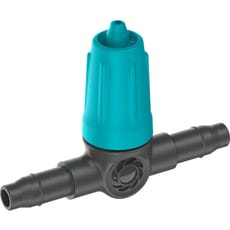
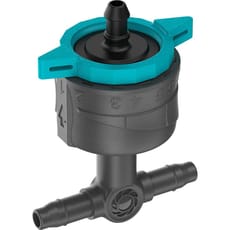
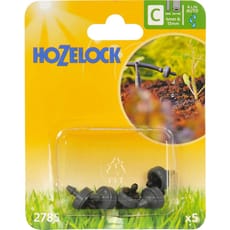
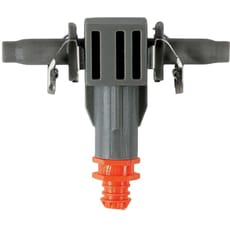
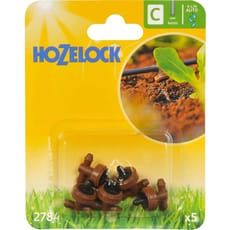
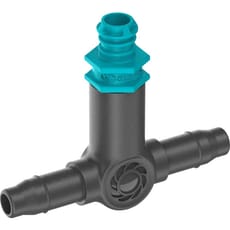
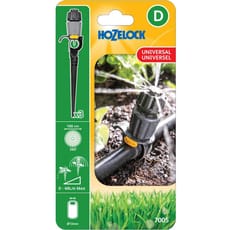
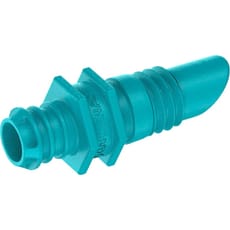
Drippers are precision watering components designed for micro-irrigation systems, delivering water directly to plant roots with exceptional efficiency. These specialist devices control water flow at individual points throughout your irrigation network, making them essential for maintaining healthy plants whilst minimising water waste. MyToolShed.co.uk stocks a comprehensive range of drippers from leading brands GARDENA and Hozelock, including both inline and endline configurations with various flow rates and pressure compensation features.
Available in adjustable and fixed-rate models, drippers can deliver between 0 and 15 litres per hour depending on plant requirements. Inline drippers sit between sections of supply tubing to water multiple plants along a single run, whilst endline drippers terminate at the final point of each watering branch. Pressure compensating models maintain consistent output across varying system pressures, ensuring uniform watering across sloped terrain or extended irrigation networks. These water-efficient devices can reduce consumption by up to 70% compared to traditional sprinkler systems.
Applications
Drippers serve diverse users across professional and domestic settings:
- Gardeners and landscapers installing efficient watering systems for client properties
- Greenhouse growers requiring precise irrigation for vegetables, flowers and propagation areas
- Nursery operators maintaining consistent moisture levels across container plant stocks
- Allotment holders seeking water-efficient solutions for vegetable plots and raised beds
- Garden maintenance contractors managing irrigation systems across multiple sites
- DIY enthusiasts creating automated watering for patios, balconies and garden borders
- Agricultural workers managing polytunnel and outdoor crop irrigation
- Holiday home owners ensuring plants remain watered during extended absences
Choosing The Right Drippers
Installation Position: Determine whether you need inline drippers for mid-run installations or endline drippers for terminating branches. Inline models allow system expansion, whilst endline drippers suit individual pots or final positions.
Pressure Compensation: For systems with varying elevations, long hose runs or multiple outlets, pressure compensating models ensure uniform water delivery throughout. Standard drippers work well for short, level installations.
Flow Rate Requirements: Match dripper output to plant needs—smaller pots and drought-tolerant plants thrive with 2-4 l/h, whilst vegetables and thirsty shrubs may require 6-10 l/h. Adjustable drippers from MyToolShed.co.uk offer flexibility for mixed plantings.
System Compatibility: Ensure drippers match your supply tubing diameter, typically 4mm or 13mm. GARDENA MICRO DRIP and Hozelock MICRO systems use specific fittings, so maintain brand consistency for secure connections.
Adjustability: Fixed-rate drippers cost less and suit consistent watering needs. Adjustable models justify their premium when watering diverse plant types or when requirements change seasonally.
Frequently Asked Questions
How many drippers can I run from a single tap?
Most domestic taps provide sufficient pressure for 20-40 drippers on a single line, depending on your water pressure and dripper flow rates. Calculate total flow requirement and ensure it doesn't exceed your supply capacity, typically 1000-1500 l/h for standard garden taps. Pressure compensating drippers perform better on extended systems.
What's the difference between pressure compensating and standard drippers?
Standard drippers deliver more water when pressure is high and less when pressure drops, resulting in uneven watering on slopes or long runs. Pressure compensating drippers maintain consistent output regardless of pressure variations between 0.5-4 bar, ensuring equal water distribution to every plant.
How do I prevent drippers from clogging?
Install a filter at your water source to remove sediment and debris. Regular system flushing—removing end plugs and running water through lines—clears accumulated particles. Using mains water rather than unfiltered rainwater reduces clogging risk, whilst pressure compensating models often include built-in filters for additional protection.