
Draw Tape

Pay in 3 interest-free payments on purchases from £20-£3000 with  . Learn more.
 Loading...
End of content
Error - No more pages to load
About Draw Tape
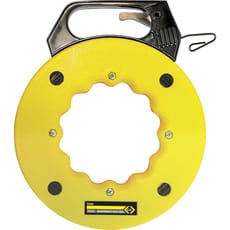
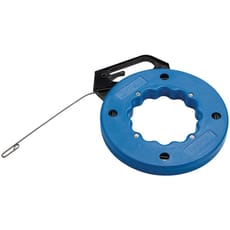
Draw tape, also known as fish tape or cable draw wire, is an essential tool for electricians and tradespeople who need to route cables through conduit, cavity walls, ceiling voids, and other confined spaces. This flexible yet rigid tape allows you to push through narrow channels and pull cables back through areas that would otherwise be impossible to access. MyToolShed.co.uk stocks draw tape from trusted brands including Milwaukee, Draper, CK Tools, and Sealey, offering solutions for both professional electricians and serious DIY enthusiasts.
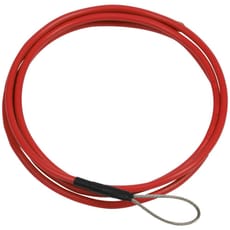
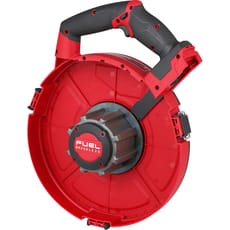
Modern draw tape ranges from traditional manual reels housed in protective plastic cases to advanced powered options like the Milwaukee M18 FPFT, which uses 18v cordless brushless technology to make cable pulling faster and less physically demanding. Available in various lengths and materials including steel and fibreglass construction, draw tape typically features a hook or eyelet at the end for attaching cables. Specialist variants include automotive wire guides designed specifically for threading cables through vehicle bodywork, making them invaluable for auto electricians and mechanics.
Applications
- Electricians and Electrical Contractors: Daily use for domestic, commercial, and industrial electrical installations through conduit and cavity walls
- Auto Electricians: Threading cables through vehicle bodywork, dashboards, and engine compartments using automotive wire guides
- Data and Communications Installers: Running network cables, phone lines, and security system wiring through buildings
- Maintenance Engineers: Facilities management professionals running replacement cables through existing building infrastructure
- Building Contractors: General builders handling electrical first-fix work or running cables during renovation projects
- DIY Enthusiasts: Homeowners undertaking electrical projects such as installing new lighting circuits or outdoor 240v power supplies
- Marine and Caravan Technicians: Working with complex wiring in the confined spaces typical of boats and recreational vehicles
Choosing The Right Draw Tape
Manual vs Powered: Traditional manual draw tape offers cost-effective reliability for most applications, whilst powered options like the Milwaukee M18 FPFT significantly reduce physical strain on long runs or overhead work, making them worthwhile investments for high-volume professional use.
Length Requirements: Residential work typically requires 10-15 metres, whilst commercial installations may need 20-30 metres or more. Consider the typical distances you'll be working with before purchasing.
Material Construction: Steel draw tape offers excellent rigidity for pushing through long conduit runs but can be heavy. Fibreglass options are lighter and non-conductive, making them safer around live electrical environments.
Application Type: Standard electrical draw tape differs from automotive cable guides. MyToolShed.co.uk stocks both types, so ensure you select the right tool for your specific trade requirements.
Safety Information
Always isolate electrical systems at the consumer unit before feeding draw tape through conduit that may contain live cables. Metal draw tape can conduct electricity, so never use it near energised 240v circuits. When using powered draw tape tools, follow manufacturer guidance and ensure batteries are correctly maintained. Wear appropriate PPE including gloves to protect against sharp edges on conduit and potential pinch points. Apply steady pressure when pulling cables rather than jerking movements to avoid damaging cable insulation or causing the tape to snap back dangerously.
Frequently Asked Questions
What length of draw tape do I need for domestic electrical work?
For most domestic installations, a 10-15 metre draw tape is sufficient for typical runs between floors, across loft spaces, and through cavity walls. Professional electricians often prefer 20-30 metre options for greater flexibility across various job types.
Is powered draw tape worth the investment for occasional use?
For occasional DIY use or infrequent professional work, traditional manual draw tape offers excellent value and reliability. Powered options are best suited to electricians doing high-volume installations where the time savings and reduced physical strain justify the higher initial cost.
What's the difference between draw tape and automotive cable guides?
Automotive cable guides feature more flexible tips and designs specifically engineered to navigate the unique challenges of vehicle wiring, including tight engine compartments and curved bodywork panels. Standard electrical draw tape is optimised for conduit and building cavity work.