
Dovetail Saws

Pay in 3 interest-free payments on purchases from £20-£3000 with  . Learn more.
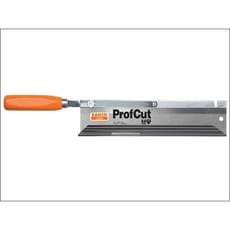
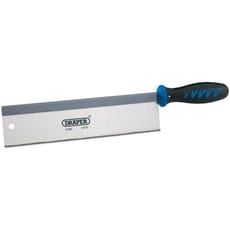
 Loading...
End of content
Error - No more pages to load
About Dovetail Saws
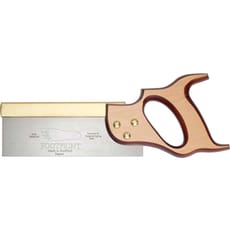
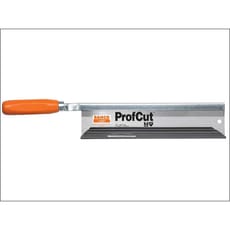
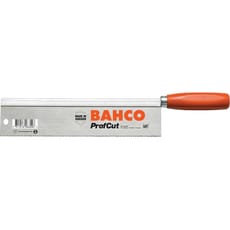
Dovetail saws are precision hand tools designed specifically for cutting the intricate dovetail joints that define quality woodworking and cabinetry. Featuring a reinforced back rail that prevents blade flex, these specialised backsaws deliver perfectly straight, accurate cuts essential for creating tight-fitting joints in both hardwoods and softwoods. MyToolShed.co.uk stocks dovetail saws from trusted manufacturers including Bahco, Irwin, Draper, and FootPrint, offering blade lengths typically between 200mm and 250mm with fine tooth counts ranging from 13 to 22 TPI (teeth per inch).
Our range includes traditional straight-handled models alongside modern ergonomic designs with adjustable or angled handles for improved comfort during extended use. Whether you're a professional cabinet maker requiring daily precision or a woodworking enthusiast developing traditional joinery skills, MyToolShed.co.uk provides dovetail saws that combine time-honoured craftsmanship with contemporary materials for clean, splinter-free cuts requiring minimal finishing work.
Applications
- Cabinet Making: Creating precision dovetail joints for bespoke furniture and high-quality cabinetry
- Joinery and Carpentry: Traditional timber frames, staircases, and architectural woodwork requiring fine joints
- Furniture Restoration: Repairing antique pieces using authentic period joinery techniques
- Drawer Construction: Cutting dovetails for drawer boxes and storage solutions
- Box Making: Precision joints for decorative boxes, cases, and containers
- Luthiery: Intricate cuts for musical instrument construction
- Shopfitting: Custom retail displays and bespoke commercial fixtures
- General Fine Crosscutting: Small mitres, trimming dowels, and precision work in solid timber
Choosing The Right Dovetail Saws
Teeth Per Inch (TPI): Select 15-18 TPI for general dovetail work in hardwoods, balancing cutting speed with finish quality. For exceptionally fine work or exotic hardwoods, choose 20-22 TPI for smoother cuts with minimal tearout.
Handle Style: Traditional straight handles suit experienced users and offer classic aesthetics, whilst angled or pistol-grip handles like those on Bahco ProfCut models provide superior ergonomics and reduced wrist strain. Adjustable models allow customisation to match your working position and preferences.
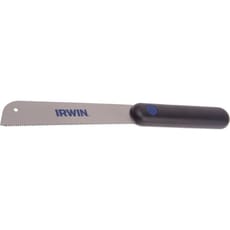
Blade Type: Traditional Western-style saws cut on the push stroke and are familiar to most UK tradespeople. Japanese-style pull saws, such as the Irwin model, cut on the pull stroke offering greater control with less effort, though they require adjustment if you're accustomed to conventional saws.
Build Quality: Professional cabinet makers working daily should invest in premium models from Bahco or FootPrint that can be resharpened multiple times. Hobbyists will find excellent value in models like the Draper Hardpoint Dovetail Saw for occasional use.
Frequently Asked Questions
What's the difference between a dovetail saw and a tenon saw?
Both are backsaws, but dovetail saws feature finer teeth (15-22 TPI) and smaller blades designed for delicate joinery, whilst tenon saws have coarser teeth (10-14 TPI) and larger blades for cutting bigger joints. The dovetail saw's finer tooth count produces smoother cuts essential for tight-fitting dovetail joints.
Can I use a dovetail saw for other woodworking tasks?
Absolutely. While optimised for dovetail joints, these saws excel at any fine crosscutting work including small mitres, cutting dowels, trimming plugs, and general precision cuts in solid timber. They're ideal whenever you need clean, accurate cuts without tearout, though they're not suitable for rip cutting along the grain.
Should I choose a push-cut or pull-cut dovetail saw?
This depends on personal preference. Traditional Western-style push saws are familiar to most UK woodworkers, whilst Japanese-style pull saws require less effort and some users find them easier to control. Many experienced woodworkers keep both types available for different applications.