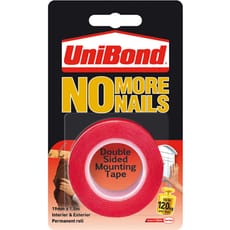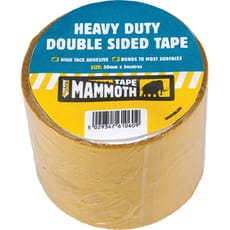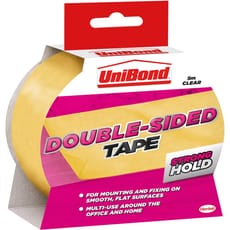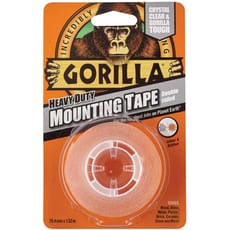
Double Sided Tape
Pay in 3 interest-free payments on purchases from £30-2000 with
. Learn more.
Loading...
End of content
Error - No more pages to load
About Double Sided Tape
Double sided tape is an essential adhesive solution for tradespeople, professionals, and DIY enthusiasts who need a clean, efficient alternative to mechanical fixings or liquid adhesives. Unlike traditional single-sided tape, double sided tape features adhesive coating on both surfaces, allowing it to bond two materials together invisibly and without mess. Available in various widths, lengths, and adhesive strengths, these versatile tapes can handle everything from lightweight craft applications to heavy-duty mounting tasks in demanding environments.
Modern double sided tapes have evolved significantly beyond basic office supplies. Professional-grade options now include foam-backed varieties for uneven surfaces, weather-resistant formulations for exterior use, and ultra-strong adhesives capable of replacing screws and nails in many applications. Whether you're fitting trim, mounting signage, securing carpets, or bonding automotive components, there's a specialised double sided tape engineered for the job. Our range includes trusted brands like Everbuild, Gorilla, UniBond, and Sealey, each offering products designed to deliver reliable, long-lasting bonds across diverse materials including wood, metal, plastic, glass, and masonry.
The key advantage of double sided tape lies in its ease of use and versatility. It eliminates drilling, reduces installation time, prevents surface damage, and works particularly well where access is limited or where a concealed fixing method is preferred. From temporary positioning to permanent mounting, professional double sided tapes provide controlled adhesion without the curing time required by liquid adhesives or the preparation needed for mechanical fixings.
Jargon Buster
- Acrylic Adhesive
- A synthetic adhesive formulation offering excellent UV resistance, temperature stability, and long-term bonding strength. Commonly used in exterior and high-performance tapes that won't degrade in sunlight or varying weather conditions.
- Foam Carrier
- A cushioning layer between the two adhesive surfaces, typically made from polyethylene or polyurethane foam. Provides gap-filling properties, absorbs vibration, and conforms to slightly uneven surfaces for improved contact and bonding.
- Release Liner
- The protective backing paper or film that covers the adhesive surface until application. Quality release liners allow easy removal without tearing or leaving residue, and may be split for easier handling on wider tapes.
- Shear Strength
- The tape's resistance to forces applied parallel to the bonded surface, measured in kilograms per square centimetre. High shear strength prevents materials from sliding apart under load, critical for permanent mounting applications.
- Tack
- The immediate grab or stickiness when the tape first contacts a surface. High initial tack allows instant bonding, whilst lower tack permits repositioning before final pressure is applied.
- Conformability
- The tape's ability to follow contours and adhere to irregular, textured, or curved surfaces. Foam-backed and thin film tapes generally offer superior conformability compared to rigid varieties.
Who Uses Double Sided Tape?
- Shopfitters and Retail Installers – mounting point-of-sale displays, signage, and shelf edging strips
- Carpenters and Joiners – securing trim, beading, and decorative mouldings without visible fixings
- Carpet Fitters and Flooring Specialists – tacking carpet edges, securing underlay, and fixing threshold strips
- Automotive Trimmers and Vehicle Customisers – attaching body mouldings, interior trim panels, and badges
- Signwriters and Graphic Installers – mounting lightweight signs, display boards, and promotional materials
- Maintenance and Facilities Managers – quick repairs, temporary fixings, and securing loose fittings
- Exhibition and Event Installers – assembling temporary displays and securing materials without surface damage
- DIY Enthusiasts and Home Improvers – hanging mirrors, mounting bathroom accessories, and securing decorative elements
- Electricians and Cable Installers – routing and securing cables discreetly along surfaces
- Glaziers and Window Fitters – positioning gaskets, seals, and trim components
How to Choose the Right Double Sided Tape
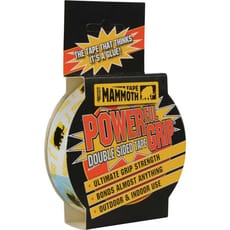
Application Environment: Consider whether the tape will be used indoors or outdoors. Interior applications can use standard adhesives, but exterior mounting requires weather-resistant, UV-stable formulations like those found in Everbuild Mammoth Powergrip or UniBond's exterior-rated options. Temperature extremes, humidity, and direct sunlight all affect adhesive performance over time.
Surface Materials: Different adhesives bond better to specific materials. Smooth, non-porous surfaces like glass, metal, and glossy plastics work well with most tapes, whilst textured, porous, or low-energy surfaces (such as polyethylene or powdery masonry) may require specialised adhesive formulations or foam-backed varieties that increase contact area.
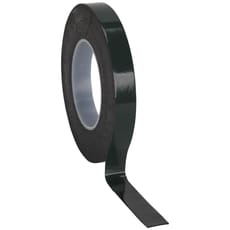
Load Requirements: Assess the weight and stress the bond must support. Lightweight items under 1kg can use standard double sided tape, whilst heavier objects require heavy-duty options with higher shear and peel strength. Foam-backed tapes like Sealey's adhesive foam tape distribute weight across a larger area, improving holding power for demanding applications.
Tape Width and Thickness: Wider tapes provide greater bonding area and load distribution, essential for larger or heavier items. Thickness matters too – thin tapes suit smooth, flat surfaces, whilst thicker foam-backed varieties compensate for uneven surfaces and provide cushioning and vibration dampening.
Permanence vs. Removability: Determine whether you need a permanent bond or the option to remove the tape later. Standard permanent tapes create bonds that strengthen over time and resist removal, whilst repositionable or low-tack options allow for adjustments or eventual removal with minimal surface damage.
Ease of Application: Look for tapes with quality release liners that remove cleanly without tearing. Split liners on wider tapes simplify application by allowing you to position one side before exposing the second adhesive surface. Pre-cut lengths or convenient dispenser packaging can also speed up installation on site.
Popular Accessories
- Surface Cleaners and Primers – solvent-based cleaners remove grease, dust, and contaminants to maximise adhesive bonding
- Application Rollers and Squeegees – ensure complete contact and eliminate air bubbles for professional installation
- Cutting Tools and Dispensers – tape dispensers and craft knives for accurate measuring and clean cuts
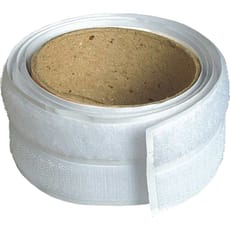
- Hook and Loop Fasteners – such as the Faithfull self-adhesive tape for repositionable and reusable mounting solutions
- Construction Adhesives – liquid alternatives like UniBond No More Nails for applications requiring gap-filling or structural bonding
- Masking Tape – for protecting surfaces during application or creating clean edges around bonded areas
- Protective Gloves – maintaining clean hands prevents contamination of adhesive surfaces during installation
Frequently Asked Questions
How much weight can double sided tape hold?
Holding capacity varies significantly by product. Standard tapes typically support 0.5-2kg per 25mm strip, whilst heavy-duty formulations like Gorilla Heavy-Duty or Everbuild Mammoth varieties can hold 5kg or more per strip when properly applied to suitable surfaces. Always check manufacturer specifications, and for critical applications, exceed the minimum recommended bonding area to ensure safety margins.
Can I use double sided tape on painted walls?
Yes, but success depends on paint type and condition. Well-cured, sound emulsion or gloss paint generally accepts double sided tape, though removal may damage weak or flaking paint. For best results, clean the surface thoroughly, avoid newly painted walls (allow at least two weeks curing), and test in an inconspicuous area first. Specialist mounting tapes designed for interior walls typically perform better than general-purpose varieties.
What's the difference between foam tape and standard double sided tape?
Foam tape incorporates a cushioning foam carrier between the adhesive layers, providing gap-filling properties, conformability to uneven surfaces, and vibration dampening. Standard double sided tape uses a thin film carrier, offering minimal thickness and working best on smooth, flat surfaces. Foam varieties excel on textured surfaces, weatherboard, or applications requiring cushioning, whilst thin film tapes provide a less visible bond line on smooth materials.
How do I remove double sided tape residue?
For fresh tape, gentle heat from a hairdryer softens the adhesive, allowing careful peeling. Remove residue with white spirit, isopropyl alcohol, or commercial adhesive removers, testing first on an inconspicuous area. For stubborn residue on robust surfaces, fine abrasive pads may help, but avoid this on delicate finishes. Prevention is easier than cure – choose removable-grade tapes for temporary applications where you anticipate needing clean removal.
Will double sided tape work in cold or damp conditions?
Application temperature significantly affects bonding. Most tapes require surfaces at 10°C or above for proper adhesion, though some specialised formulations work at lower temperatures. Surface moisture prevents bonding, so ensure materials are completely dry before application. Once cured, many quality exterior-grade tapes withstand freezing temperatures and damp conditions, but always check specifications for your specific environment, particularly for outdoor installations on British building sites where weather conditions can be challenging.