
Digging & Raking Tools

Pay in 3 interest-free payments on purchases from £20-£3000 with  . Learn more.
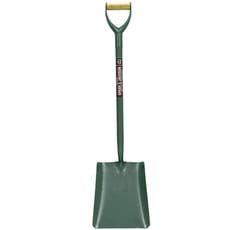
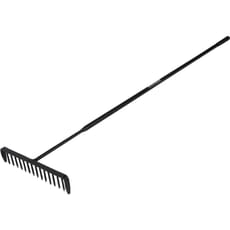
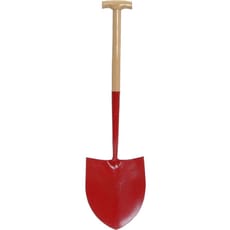
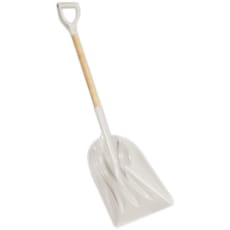
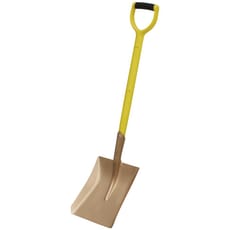
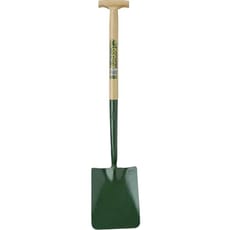
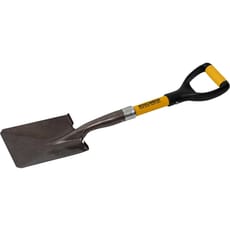
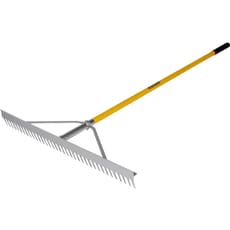
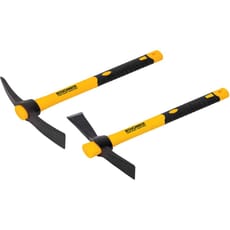
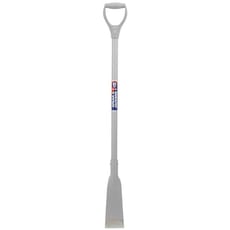
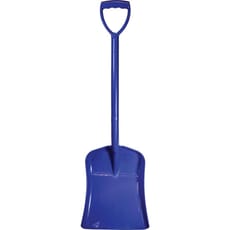
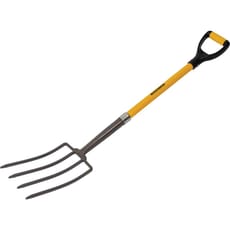
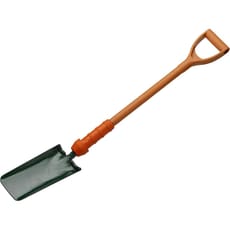
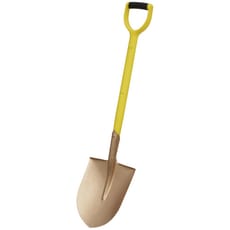
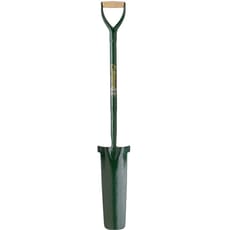
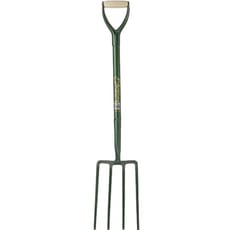

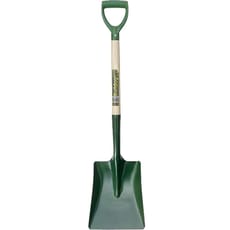
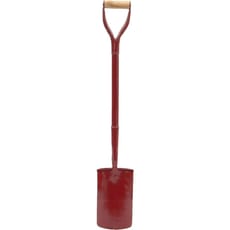
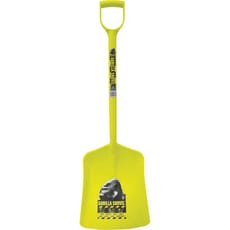
 Loading...
End of content
Error - No more pages to load
About Digging & Raking Tools
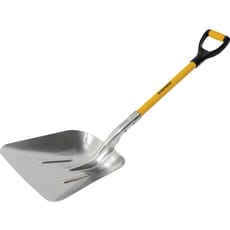
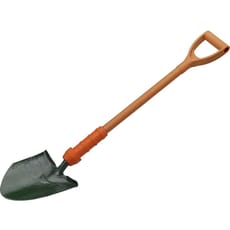
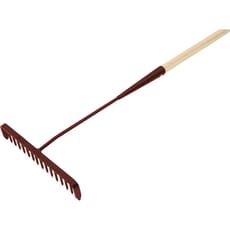
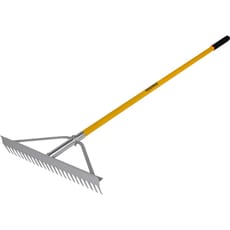
Digging and raking tools form the essential backbone of groundwork operations across construction sites, landscaping projects, and gardens throughout the UK. MyToolShed.co.uk offers a comprehensive range spanning robust contractors' spades and shovels for demanding site work, specialist coal shovels for material handling, landscape rakes for surface preparation, and farming forks for agricultural applications. Whether excavating foundations, preparing ground for paving, spreading aggregate, or maintaining outdoor spaces, having the right digging and raking equipment ensures efficiency and delivers professional results.
Quality digging tools represent a critical investment for groundworkers, landscapers, and contractors who depend on reliable equipment that withstands the rigours of professional use. Modern designs incorporate ergonomic handles, reinforced socket connections, and tempered steel blades that balance durability with manageable weight. From compact mini shovels for confined spaces to full-size landscape rakes for levelling extensive areas, the range at MyToolShed.co.uk caters to every application and user requirement.
Applications
- Groundworkers and Excavation Contractors - Site preparation, trench work, and foundation excavation
- Landscapers and Garden Designers - Creating outdoor spaces, preparing beds, and levelling ground
- Agricultural Workers and Farm Contractors - Handling livestock bedding, feed distribution, and general farm maintenance
- Builders and Construction Tradespeople - Site clearance, material mixing, and general groundwork tasks
- Highway Maintenance Teams - Road repairs, drain clearance, and surface preparation work
- Utility Companies - Cable laying, pipe installation, and infrastructure maintenance
- Garden Maintenance Professionals - Regular grounds maintenance for commercial and residential properties
- Fencing Contractors - Post hole preparation and backfilling operations
- DIY Enthusiasts and Homeowners - Garden projects, landscaping improvements, and property maintenance
Choosing The Right Digging & Raking Tools
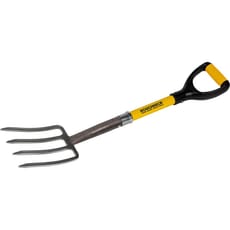
Application and Task Requirements: Consider your primary tasks carefully. Heavy-duty contractors' spades suit excavation and dense soil penetration, whilst landscape rakes excel at levelling and spreading aggregate. Coal shovels feature deep, rounded blades optimised for lifting loose materials, and farming forks provide the tine configuration necessary for handling hay and bedding efficiently.
Handle Material and Length: Fibreglass handles offer excellent strength-to-weight ratios and resist weathering, making them ideal for professional site work. Hardwood handles, typically ash, provide traditional feel and durability. Handle length significantly affects leverage and comfort—longer handles (1150-1300mm) suit taller users and provide greater leverage, whilst shorter options offer improved control in confined spaces.
Blade Construction and Quality: Professional-grade tools typically feature carbon steel or stainless steel blades with proper heat treatment for extended service life. Examine socket connections for solid construction—this junction represents the primary failure point on lower-quality tools. Quality treads should be substantial and well-formed, providing comfortable foot placement during penetrating hard ground.
Ergonomic Features: D-grips and Y-grips should be smoothly finished and appropriately sized for gloved hands. Cranked or offset handles can significantly reduce back strain, particularly beneficial during prolonged digging operations.
Safety Information
Manual handling of digging and raking tools requires proper technique to prevent musculoskeletal injuries. The HSE emphasises correct lifting posture—keep your back straight, bend from the knees, and avoid twisting whilst loaded. Take regular breaks during intensive digging operations to prevent fatigue, which increases injury risk.
Always inspect tools before use, checking for loose handles, cracked sockets, or damaged blades that could fail during operation. Wear appropriate personal protective equipment including steel toe cap boots conforming to EN ISO 20345 standards, work gloves, and high-visibility clothing on construction sites. Store tools securely with blades covered or pointed downward to prevent trip hazards and accidental injuries.
Frequently Asked Questions
What's the difference between a spade and a shovel?
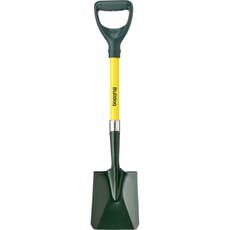
Spades feature flat, rectangular blades with sharp cutting edges, designed for slicing through soil, edging, and precision digging. Shovels have curved, scooped blades optimised for lifting and moving loose materials like soil, gravel, or aggregates. Spades suit cultivation and excavation, whilst shovels excel at material handling and loading tasks.
Are fibreglass handles better than traditional wooden ones?
Both materials offer distinct advantages. Fibreglass handles provide superior strength-to-weight ratios, resist weathering, and rarely break during normal use, making them excellent for demanding professional applications. Traditional hardwood handles, typically ash, offer excellent shock absorption and can be easily replaced. Choice often comes down to personal preference and specific working conditions.
What length handle should I choose for digging tools?
Handle length should match your height and intended application. As a general guide, when standing upright with the tool vertical beside you, the handle top should reach approximately wrist height—typically 1150mm for average height users. Shorter handles (700-900mm) provide better control in confined spaces, whilst longer handles offer increased leverage for breaking hard ground.