
Diamond Drills

Pay in 3 interest-free payments on purchases from £20-£3000 with  . Learn more.
 Loading...
End of content
Error - No more pages to load
About Diamond Drills
Diamond drills are specialised power tools designed for cutting precise holes through hard materials including concrete, brick, stone, tiles and reinforced masonry. Unlike standard rotary drills, these professional machines use diamond-tipped core bits that rotate at controlled speeds to create clean, accurate holes from 8mm to over 300mm in diameter. The diamond coating provides exceptional cutting performance and longevity, making these tools essential for demanding construction and installation work.
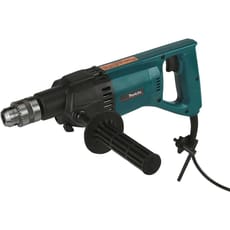
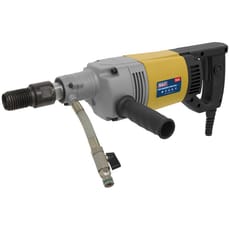
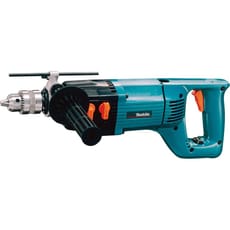
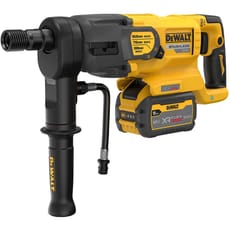
MyToolShed.co.uk stocks diamond drills from leading manufacturers including DeWalt, Makita and Sealey, available in both corded 240v mains-powered configurations and advanced cordless models utilising Flexvolt battery technology. Handheld models offer portability for site work, whilst many feature water suppression systems to cool the bit, control dust and extend core bit lifespan. Whether drilling for plumbing pipes, electrical conduits or HVAC installations, these tools deliver the power and precision required for professional results.
Applications
Diamond drills are essential equipment for a wide range of construction and installation professionals:
- Electricians and Sparkies: Drilling cable entry points through masonry, installing conduit systems and creating access holes for electrical installations
- Plumbers and Heating Engineers: Installing pipework, creating holes for waste pipes, radiator pipes and ventilation systems through concrete and brick walls
- HVAC Installers: Cutting large diameter holes for air conditioning units, ventilation ducts and extractor fan installations
- General Builders and Groundworkers: Drilling for anchor points, structural fixings, drainage systems and utility installations on construction sites
- Kitchen and Bathroom Fitters: Precise hole cutting for waste pipes, taps and extractor fans through tiled surfaces
- Stonemasonry and Tiling Specialists: Creating clean openings in natural stone, porcelain and ceramic materials without cracking
- Serious DIY Enthusiasts: Home renovation projects requiring professional-quality holes through masonry
Choosing The Right Diamond Drills
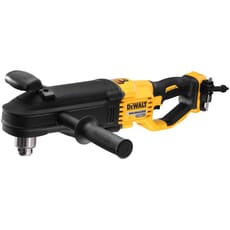
Power Source: Corded 240v models offer consistent power for prolonged use and larger diameter drilling, ideal where mains electricity is available. Cordless models like DeWalt's 54V Flexvolt range provide excellent mobility and eliminate trip hazards, now delivering performance comparable to corded equivalents for most applications.
Motor Power and Capacity: Higher wattage motors enable drilling larger diameter holes and working through reinforced concrete. Match the drill's maximum core bit capacity to your typical applications – electricians and plumbers often work with 20-110mm holes, whilst HVAC installers may require 150mm+ capacity.
Speed Control and Features: Variable speed control optimises performance for different materials and bit sizes. Electronic speed stabilisation maintains consistent RPM under load, whilst features like soft start reduce kick-back and overload protection prevents motor damage.
Wet Drilling Capability: Models with integrated water suppression systems extend bit life, reduce dust to comply with HSE silica dust regulations, and produce cleaner cuts, particularly valuable for indoor work.
Safety Information
Always wear appropriate PPE including safety goggles, FFP3-rated dust mask when dry drilling, hearing protection and sturdy work gloves. For corded models, use RCD protection particularly when working outdoors or in damp conditions. Before drilling, check for hidden services including electrical cables, water pipes and gas lines using a cable detector. Drilling masonry generates respirable crystalline silica dust – use wet drilling methods or appropriate dust extraction wherever possible to comply with COSHH regulations. MyToolShed.co.uk recommends consulting HSE guidance on controlling silica dust exposure in construction work.
Frequently Asked Questions
What's the difference between a diamond drill and a standard rotary drill?
Diamond drills are specifically designed for cutting holes through hard masonry materials using diamond-tipped core bits. They operate at lower speeds with higher torque, using a coring action that cuts a circular groove rather than drilling a solid hole. Standard rotary drills lack the power and torque required for effective masonry coring.
Are cordless diamond drills powerful enough for professional use?
Modern cordless diamond drills, particularly DeWalt's 54V Flexvolt models available at MyToolShed.co.uk, now deliver performance comparable to corded models for most applications. They're ideal for holes up to 150mm in typical masonry materials and excel in locations without mains power.
Do I need to use water when diamond drilling indoors?
Whilst not always mandatory, wet drilling offers significant advantages including extended bit life, faster cutting speeds and dust suppression. For indoor work, wet drilling helps comply with HSE regulations regarding silica dust exposure. Where water isn't practical, use appropriate dust extraction equipment rated for fine silica dust.