

Diagnostic & Electrics
Pay in 3 interest-free payments on purchases from £30-2000 with  . Learn more.
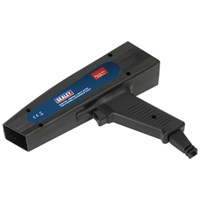
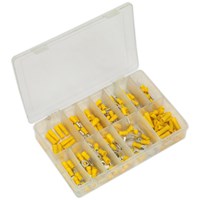
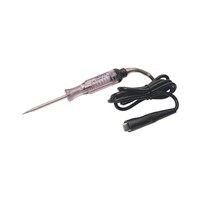
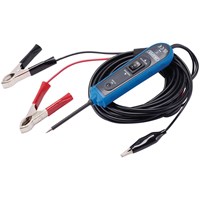
 Loading...
End of content
Error - No more pages to load
About Diagnostic & Electrics
MyToolShed.co.uk offers a comprehensive range of diagnostic and electrical tools essential for automotive technicians, mechanics and DIY enthusiasts working on vehicle electrical systems. This category encompasses everything from basic continuity testers and voltmeters to sophisticated OBD diagnostic scanners and compression testing equipment. Whether you're troubleshooting engine management faults, testing 240v workshop equipment, or diagnosing ignition problems, having accurate diagnostic tools ensures efficient fault-finding and professional-standard repairs.
Modern vehicles depend on increasingly complex electrical systems, making quality diagnostic equipment more critical than ever. The range at MyToolShed includes automotive analysers, circuit testers, crimping tools, timing lights, and specialist equipment for testing compression, cylinder leakage, and ignition systems. From brands like Bosch, DeWalt and Milwaukee, these tools help professional mechanics and home enthusiasts identify problems quickly, reduce guesswork, and ensure repairs are completed right first time.
Applications
- Professional Mechanics: Daily fault-finding, service diagnostics and electrical system repairs in garages and workshops
- Auto Electricians: Specialist electrical installations, circuit testing and complex electrical fault diagnosis
- Mobile Mechanics: On-site vehicle diagnostics and electrical testing at customer locations
- Fleet Maintenance: Routine checks and breakdown diagnosis for commercial vehicle fleets
- MOT Testing Stations: Emission system verification and fault code checking during statutory inspections
- Agricultural Engineers: Servicing tractors and farm machinery with electrical and engine management systems
- Marine Engineers: Diagnosing boat engine electrical systems in demanding marine environments
- Classic Car Restoration: Testing and maintaining ignition and electrical systems on vintage vehicles
- DIY Enthusiasts: Home vehicle maintenance, battery testing and basic electrical repairs
Choosing The Right Diagnostic & Electrics
Identify Your Requirements: Match equipment to your skill level and typical work. Professional mechanics need comprehensive OBD scanners with live data streaming, whilst DIY users may only require basic multimeters and code readers for occasional diagnostics.
Vehicle Compatibility: Ensure diagnostic scanners support the correct protocols. OBD-II is standard on UK vehicles manufactured after 2001, but some specialist functions require manufacturer-specific tools for accessing advanced systems.
Accuracy and Quality: Invest in reputable brands offering accurate readings. Cheap, inaccurate tools lead to misdiagnosis and wasted time. Look for equipment meeting BS/EN standards with ±0.5% accuracy for voltage measurements.
Voltage Range: Most UK vehicles operate on 12V systems (24V for commercial vehicles), but you'll need to measure everything from milliamp sensor circuits to high-current starter systems. Auto-ranging multimeters simplify testing across different ranges.
Build Quality: Workshop environments demand robust construction. Choose tools with impact-resistant housings, protected probes and good IP ratings for durability. Professional-grade equipment withstands daily use far better than budget alternatives.
Display Readability: Backlit displays are essential when working under bonnets or beneath vehicles in poor lighting. Clear indication of readings and intuitive controls speed up diagnostics and reduce errors under time pressure.
Safety Information
Always disconnect the vehicle battery before working on electrical circuits unless specifically testing live systems. When testing live circuits, use properly insulated tools rated for automotive use and wear appropriate PPE including safety glasses. Modern hybrid and electric vehicles store high voltages—only qualified technicians should work on high-voltage components. Ensure all test leads and probes are in good condition with no damage that could cause inaccurate readings or electrical hazards. When performing compression tests, follow manufacturer instructions carefully to avoid injury from rotating engine components. Work in well-ventilated areas when running engines during diagnostics to prevent carbon monoxide exposure, and keep a fire extinguisher nearby as short circuits can cause fires.
Frequently Asked Questions
What's the difference between a basic code reader and a professional diagnostic scanner?
Basic code readers simply retrieve and display fault codes from your vehicle's ECU, requiring you to look up code meanings separately. Professional diagnostic scanners provide detailed code descriptions, live sensor data streaming, code clearing capabilities, and often include service resets and bi-directional component testing. For occasional DIY use, a code reader suffices, but professional technicians benefit from the comprehensive functionality of full diagnostic systems for efficient fault-finding.
Can I use the same diagnostic tools on both petrol and diesel vehicles?
Most modern diagnostic tools work with both fuel types, as they use the standard OBD-II protocol introduced on all UK vehicles from 2001 onwards. However, diesel-specific tests like glow plug testing require specialised equipment. Compression testers need appropriate adaptors for diesel engines, which operate at much higher compression ratios than petrol engines. Always verify compatibility with your specific vehicle type before purchasing.
Why is proper crimping important for automotive electrical repairs?
Proper crimping creates a gas-tight, mechanically secure connection that resists vibration and corrosion—critical in the harsh automotive environment. Poor crimps cause high-resistance connections leading to voltage drops, intermittent faults, overheating and potential fire hazards. Quality crimping tools ensure consistent, reliable connections. Always use the correct terminal size for wire gauge and compress both wire and insulation sections appropriately for professional, lasting repairs.