
Demolition Tools

Pay in 3 interest-free payments on purchases from £20-£3000 with  . Learn more.
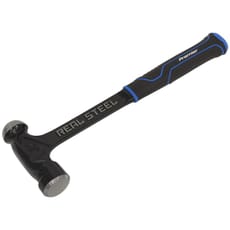
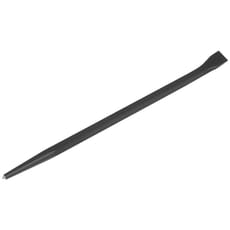
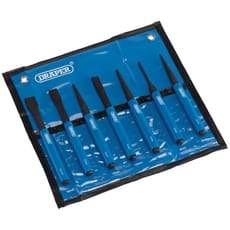
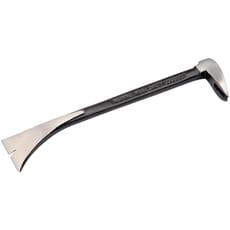
 Loading...
End of content
Error - No more pages to load
About Demolition Tools
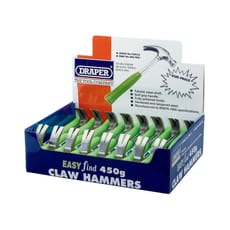
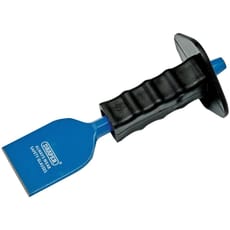
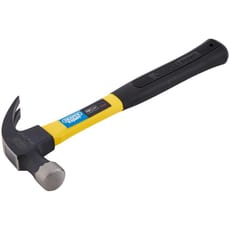
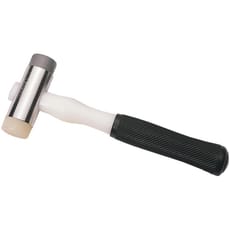
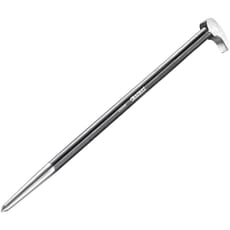
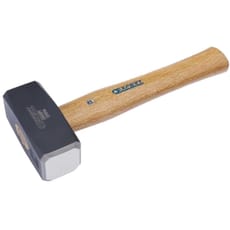
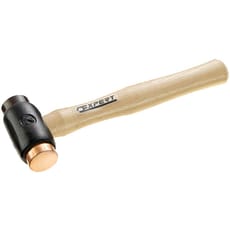
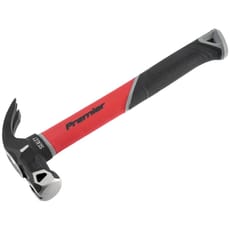
Demolition tools are heavy-duty implements essential for breaking down, dismantling, and removing building materials and structures. From controlled strip-outs to full-scale demolition projects, this comprehensive range ensures tradespeople and DIY enthusiasts can complete work efficiently and safely. MyToolShed.co.uk stocks everything from bars and wrecking bars for leverage work, to bolsters and cold chisels for precision breaking, earth rammers for compacting ground, and a complete selection of striking tools including hammers, mallets, and mauls.
Quality demolition tools are manufactured from hardened steel and specialist alloys designed to withstand repeated impacts and extreme forces. The professional-grade tools available at MyToolShed.co.uk from leading brands like Stanley, Faithfull, and Roughneck meet UK and European standards, ensuring they're fit for demanding construction sites, renovation projects, and building maintenance work across the country.
Applications
Demolition tools are used across numerous trades and applications:
- Demolition Contractors: Structural dismantling and site clearance work
- General Builders: Renovation projects, alterations, and refurbishment
- Bricklayers: Removing old brickwork, cutting bricks, and raking out mortar joints
- Groundworkers: Breaking up concrete, compacting ground, and site preparation
- Roofers: Removing old roof coverings, battens, and stripping chimneys
- Plumbers and Sparkies: Accessing pipework and chasing out walls for cables
- Chippies: Removing old timber work, architraves, and flooring
- Property Maintenance Teams: General repair and refurbishment projects
- DIY Enthusiasts: Home renovation and improvement projects
Choosing The Right Demolition Tools
Material Type: Consider what you're demolishing. Masonry and concrete require heavy-duty cold chisels and lump hammers, whilst timber structures need pry bars and wrecking bars. Different materials demand different tool characteristics in terms of hardness, weight, and design.
Tool Quality: Professional-grade demolition tools feature drop-forged construction, heat-treated striking faces, and properly hardened cutting edges. These withstand repeated heavy impacts without deforming or fracturing. Cheaper tools may mushroom, chip, or bend under professional use, creating safety hazards.
Handle Design: Fibreglass handles offer excellent shock absorption and durability, whilst traditional hickory provides natural flex that reduces arm fatigue. For leverage tools like wrecking bars, longer handles provide greater mechanical advantage.
Weight and Size: Match tool weight to the task duration and intensity. Heavy sledgehammers deliver maximum force but cause fatigue quickly. Lighter lump hammers offer better control for precision work in confined spaces.
Safety Information
Always wear appropriate PPE including safety goggles or face shields, heavy-duty gloves, steel toe cap boots, and respiratory protection when dust is generated. Inspect tools before each use for mushroomed striking faces, loose hammer heads, or cracked handles—remove damaged tools from service immediately. Conduct thorough risk assessments before beginning demolition work, identifying potential hazards such as structural instability, asbestos, electrical cables, and gas pipes. Buildings constructed before 2000 may contain asbestos—if suspected, stop work and arrange professional testing. Never remove load-bearing elements without proper structural assessment and temporary support.
Frequently Asked Questions
What's the difference between a wrecking bar and a crowbar?
The terms are often used interchangeably, but wrecking bars are typically longer (600-1500mm) and heavier-duty, designed for major demolition work. Crowbars are generally shorter and lighter, suited for lighter prying tasks. Both feature curved claw ends for leverage, but wrecking bars often have additional features like nail pullers and striking faces.
Can I use a normal hammer with a cold chisel?
No, always use a lump hammer (club hammer) or ball pein hammer with cold chisels and bolsters, never a standard claw hammer. Claw hammers have hardened striking faces designed for nail heads, not hardened chisel heads. Using the wrong hammer can cause the striking face to chip or shatter, creating dangerous flying metal fragments. A 2-4kg lump hammer is ideal for most chisel work.
How do I prevent my chisel head from mushrooming?
Whilst some mushrooming is inevitable with heavy use, you can minimise it by using quality hardened tools from MyToolShed.co.uk, striking squarely rather than at angles, and regularly grinding back the mushroomed material with a bench grinder. Always wear safety goggles when using chisels with any mushrooming, as the deformed metal can fragment and cause injury.