

Demolition Tools
Pay in 3 interest-free payments on purchases from £30-2000 with  . Learn more.
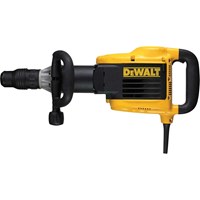
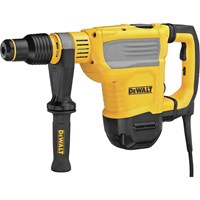
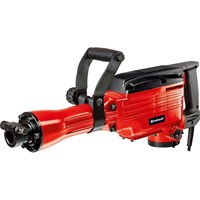
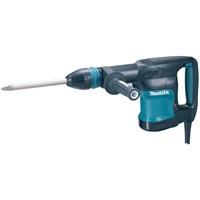
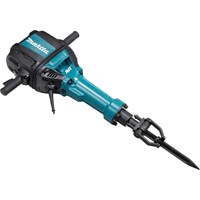
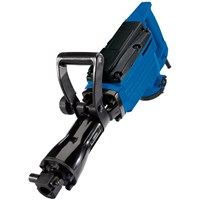
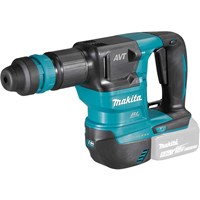
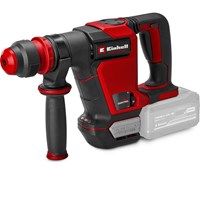
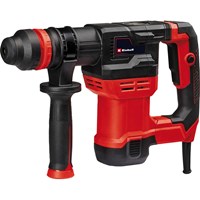
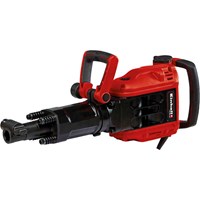
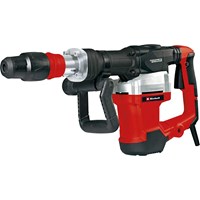
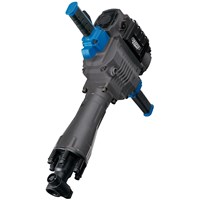
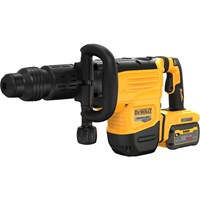
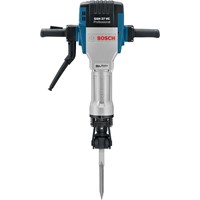
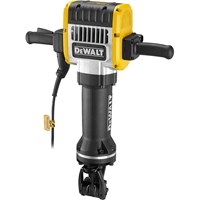
 Loading...
End of content
Error - No more pages to load
About Demolition Tools
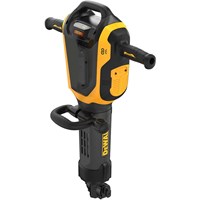
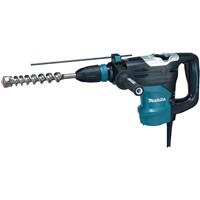
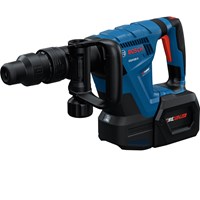
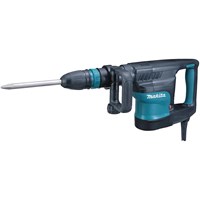
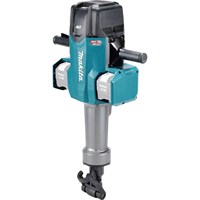
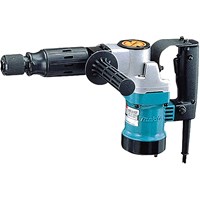
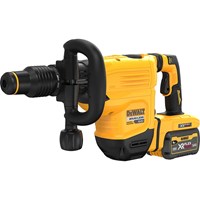
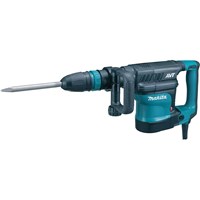
Demolition tools are heavy-duty power tools engineered to break down, remove and pulverise materials during construction, renovation and deconstruction projects. MyToolShed.co.uk stocks a comprehensive range including breakers for ground-level concrete work, demolition hammers for versatile horizontal and vertical applications, and power scrapers for precision tile removal and surface preparation. Whether you're a professional demolition contractor tackling commercial projects or a homeowner renovating a bathroom, the right demolition equipment transforms exhausting manual labour into manageable, efficient work.
Leading manufacturers including Makita, DeWalt, Milwaukee and Bosch offer extensive ranges from compact cordless models for occasional DIY use to heavy-duty 240V electric and pneumatic machines for all-day professional site work. These powerful tools deliver concentrated impact force measured in joules, with breakers typically offering 30-60J for thick concrete, demolition hammers providing 10-30J for general breaking work, and power scrapers delivering 2-5J for lighter precision tasks.
Applications
Professional trades using demolition tools:
- Builders and general contractors undertaking renovation and refurbishment projects
- Demolition specialists and site clearance companies
- Groundworkers and landscapers removing concrete patios, paths and foundations
- Bathroom and kitchen fitters removing tiles and preparing wall surfaces
- Plasterers removing old render and preparing substrates
- Electricians and plumbers chasing channels for cables and pipes
- Roofing contractors removing chimney stacks and concrete roof tiles
- Civil engineering and highways maintenance teams
Common applications: Breaking concrete driveways and slabs, removing wall sections, stripping floor and wall tiles, demolishing brick and blockwork, breaking through render and plaster, excavating trenches, removing mortar joints, and general deconstruction work.
Choosing The Right Demolition Tools
Match tool to application: Ground-level concrete breaking requires a dedicated breaker with high impact energy (40J+), whilst vertical wall work suits a demolition hammer for better control. Tile removal and surface preparation needs a power scraper with SDS-Plus fitting for precision.
Power source selection: Corded 240V electric tools deliver consistent power for extended periods and suit site work with generator or mains access. Cordless models using 18V or larger battery platforms offer excellent convenience for locations without power, though runtime and impact energy will be lower than corded equivalents.
Impact energy rating: Light power scrapers (2-5J) handle tiles and thin materials; medium demolition hammers (10-20J) suit brick and lightweight concrete; heavy breakers (30-60J) are essential for thick reinforced concrete. Overspecifying creates unnecessary weight and cost, whilst underspecifying leads to slow progress and potential tool damage.
Vibration and HAVS compliance: HSE regulations strictly control exposure to hand-arm vibration. Check manufacturer's declared vibration values (m/s²) and calculate permissible daily exposure time. MyToolShed.co.uk stocks modern tools from Makita, Milwaukee and DeWalt incorporating sophisticated anti-vibration systems that extend safe working periods and reduce operator fatigue.
Weight and ergonomics: Breakers can weigh 10kg or more, making them tiring for extended overhead use. Consider whether a lighter demolition hammer might suit your typical applications despite slightly reduced power. Side handles and well-balanced designs improve control during long sessions.
Safety Information
Personal protective equipment: Always wear safety glasses or full face shield, hearing protection (demolition tools typically exceed 100dB), steel toe-capped boots, vibration-dampening gloves, and appropriate respiratory protection when breaking materials generating harmful dust.
Vibration management: Comply with Control of Vibration at Work Regulations 2005 by monitoring daily exposure. Maintain tools properly, take regular breaks, keep warm to maintain circulation, and use a firm but relaxed grip to minimise HAVS risk.
Electrical safety: When using 240V corded tools, always use 30mA RCD protection, particularly outdoors or in damp conditions. Inspect cables before each use and never operate damaged equipment.
Material hazards: Check for concealed services before breaking any structure using a cable detector. Be aware of potential asbestos in older buildings requiring specialist removal. Concrete dust contains crystalline silica—use extraction equipment and appropriate respiratory protection to comply with COSHH regulations.
Frequently Asked Questions
What's the difference between a breaker and a demolition hammer?
Breakers are specifically designed for ground-level work delivering higher impact energy (typically 30-60J) for breaking thick concrete and foundations. Demolition hammers are more versatile tools with slightly lower impact energy (10-30J) that work both horizontally and vertically for wall demolition, chasing channels and general breaking. For most tradespeople undertaking varied demolition tasks, a demolition hammer offers better all-round capability.
How long can I safely use a demolition tool before risking HAVS?
This depends on the tool's specific vibration emission value. HSE sets an Exposure Action Value of 2.5 m/s² and Exposure Limit Value of 5.0 m/s² over eight hours. A typical demolition hammer with vibration around 10-15 m/s² allows roughly 1-2 hours of trigger time per day at the EAV. Modern tools with anti-vibration technology extend this considerably. Always check manufacturer's declared values and use the HSE vibration calculator for your specific safe exposure time.
Are cordless breakers powerful enough for professional use?
Cordless technology has advanced significantly, with 18V and larger platforms delivering impressive performance. However, cordless breakers can't match sustained power of corded models for heavy-duty reinforced concrete work. They excel for lighter applications and locations without power access. For professional groundworkers tackling serious concrete breaking all day, corded breakers remain superior, whilst modern cordless models from Milwaukee, Makita and DeWalt offer excellent compromise between power and convenience for general builders.