
Degreasants

Pay in 3 interest-free payments on purchases from £20-£3000 with  . Learn more.
 Loading...
End of content
Error - No more pages to load
About Degreasants
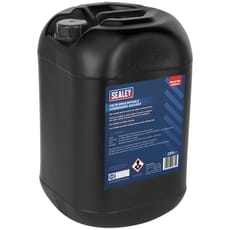
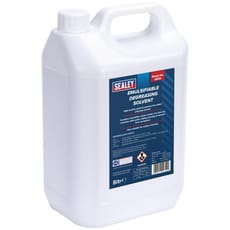
Degreasants are specialist cleaning solutions engineered to dissolve and remove stubborn grease, oil, and industrial grime from machinery, tools, vehicle components, and workshop surfaces. These essential consumables are formulated to tackle heavy-duty contamination that ordinary cleaners cannot handle, making them indispensable for professional workshops, garages, and maintenance environments. MyToolShed.co.uk supplies trusted degreasants from leading brands including Sealey and Swarfega, offering both water-soluble and emulsifiable solvent formulations to suit different cleaning challenges.
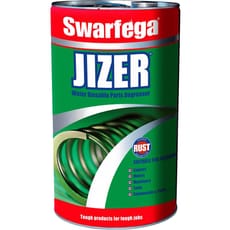
Water-soluble degreasers provide economical, environmentally friendlier cleaning that can be diluted to match contamination severity, whilst emulsifiable solvents deliver maximum degreasing power for the toughest industrial applications. From the legendary Swarfega Jizer—a workshop staple for decades—to versatile multi-purpose formulations like Swarfega Janitol Plus, professional-grade degreasants help maintain equipment to manufacturers' specifications, extend tool life by preventing corrosive build-up, and prepare surfaces for painting, welding, or bonding operations.
Applications
Degreasants are essential cleaning products across numerous trades and industries:
- Motor mechanics and vehicle technicians: Cleaning engine components, gearboxes, brake assemblies, and automotive parts
- Plant and machinery engineers: Maintaining industrial equipment, hydraulic systems, and manufacturing machinery
- Fabricators and welders: Preparing metal surfaces before welding or coating applications
- Maintenance teams: General workshop cleaning, equipment servicing, and facility upkeep
- Agricultural engineers: Cleaning farm machinery, tractors, and harvesting equipment
- Bicycle and motorcycle mechanics: Degreasing chains, sprockets, and engine components
- Marine engineers: Maintaining boat engines and marine equipment
- Manufacturing facilities: Routine cleaning of production line equipment and machinery
- DIY enthusiasts: Home workshop maintenance and automotive servicing projects
Choosing The Right Degreasants
Type of contamination: Light oil and grease respond well to water-soluble degreasers, whilst heavy industrial deposits, baked-on carbon, and stubborn grime require emulsifiable solvents or heavy-duty formulations like Swarfega Jizer.
Application surface: Consider material compatibility—some degreasers suit painted surfaces, plastics, and rubber components, whilst others are formulated specifically for bare metal, concrete floors, or machinery parts. Always verify compatibility before use.
Dilution flexibility: Water-soluble products available at MyToolShed.co.uk offer economical versatility through adjustable dilution ratios—higher dilution for general cleaning, concentrated solutions for heavier contamination.
Environmental considerations: Biodegradable formulations and water-based degreasers typically present lower environmental impact than pure solvents whilst maintaining professional cleaning performance.
Workplace safety: Review COSHH data sheets and ensure products meet HSE requirements. Consider flash points, ventilation needs, and PPE requirements—water-soluble products generally present fewer safety concerns than solvent-based alternatives.
Safety Information
Personal protective equipment: Always wear chemical-resistant gloves and safety goggles when handling degreasants. Some products may require respiratory protection in poorly ventilated areas—consult the safety data sheet for specific requirements.
COSHH compliance: Use all degreasers in accordance with COSHH regulations. Ensure access to relevant safety data sheets, conduct risk assessments, and implement appropriate control measures. Store products in clearly labelled containers away from ignition sources.
Ventilation: Use degreasers in well-ventilated areas, particularly solvent-based products, to prevent harmful vapour build-up and fire risk.
Environmental protection: Never pour waste degreaser or contaminated run-off down drains. Dispose of used product through licensed waste carriers in accordance with environmental regulations.
Frequently Asked Questions
What's the difference between water-soluble and emulsifiable degreasers?
Water-soluble degreasers are diluted with water before use and are typically milder for regular cleaning tasks. Emulsifiable degreasers are powerful solvent-based products that can be used neat for heavy-duty applications or mixed with water to form an emulsion that suspends oil and grease for easy rinsing, generally tackling tougher industrial contamination more effectively.
How should I dilute water-soluble degreasers?
Dilution ratios depend on contamination severity. For light cleaning, ratios of 1:40 to 1:80 (degreaser to water) are typical, whilst heavy-duty degreasing may require 1:10 or even neat application. Always follow manufacturer recommendations and start with weaker solutions—this is more economical and reduces chemical exposure.
Can I use degreasers on all surfaces?
Not all degreasers suit every surface. Whilst most are safe for bare metals and concrete, some may damage paint, plastics, rubber seals, or certain coatings. Always test on an inconspicuous area first and check manufacturer guidelines. Multi-purpose formulations like Swarfega Janitol Plus are designed for use across multiple surfaces.