
Dead Blow Hammers

Pay in 3 interest-free payments on purchases from £20-£3000 with  . Learn more.
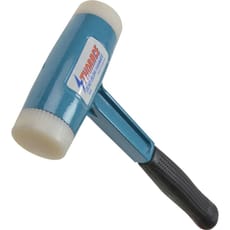
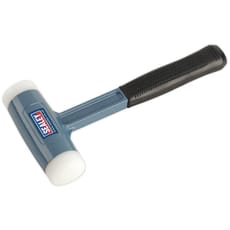
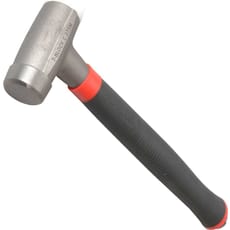
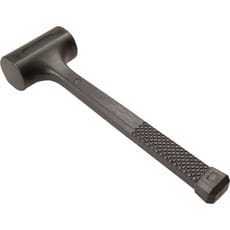
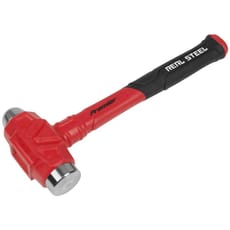
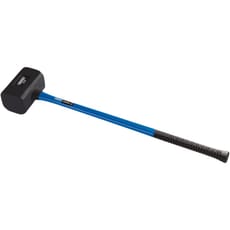
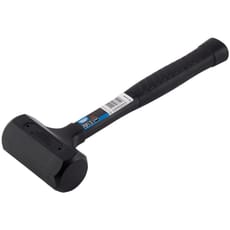
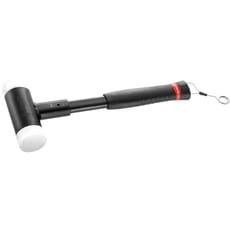
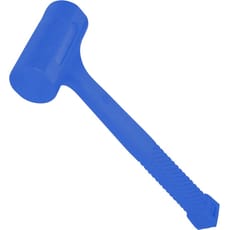
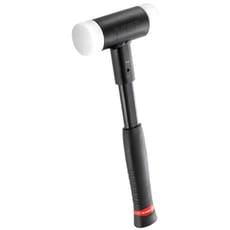
 Loading...
End of content
Error - No more pages to load
About Dead Blow Hammers
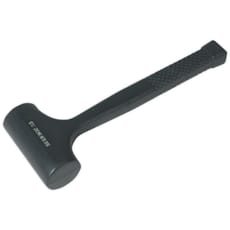
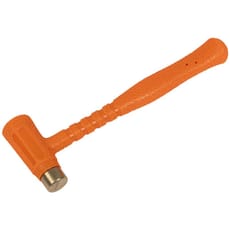
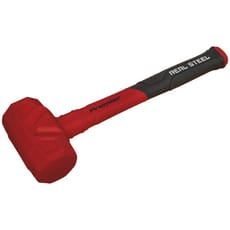
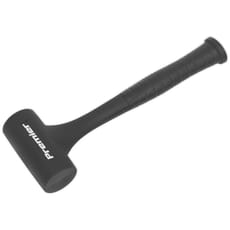
Dead blow hammers are specialised striking tools designed to deliver maximum impact force whilst eliminating rebound and minimising surface damage. Unlike conventional hammers, these feature a hollow head filled with steel shot or sand that shifts on impact, absorbing the energy that would normally cause bounce-back. This unique construction makes them essential for precision work where control is paramount and damage to workpieces must be avoided.
MyToolShed.co.uk stocks dead blow hammers from respected manufacturers including Sealey, Draper, Facom, Thor, Faithfull and Hultafors. Available with various head weights from 450g to over 1.5kg, and face materials including polyurethane, nylon, rubber and brass, there's a model suited to every application from delicate automotive assembly to heavy-duty metal fabrication.
Applications
Dead blow hammers are indispensable across numerous trades and industries where controlled, non-marring striking is required:
- Automotive Mechanics - assembling components, hub work and bodywork without damaging paintwork or threads
- Metal Fabricators and Welders - positioning steel sections and tapping assemblies into alignment without surface marking
- Joiners and Cabinetmakers - assembling timber joints and fitting dowels without bruising wood
- Machine Maintenance Engineers - positioning bearings, seating components and general machinery assembly
- Shopfitters and Racking Installers - assembling metal shelving systems where precision is essential
- Sheet Metal Workers - forming and positioning work without denting surfaces
- DIY Enthusiasts - furniture assembly, automotive projects and workshop tasks requiring controlled impact
Choosing The Right Dead Blow Hammers
Head Weight: Lighter hammers (450-720g) suit delicate assembly and woodworking, whilst heavier models (900g-1.5kg) are better for automotive work and metal fabrication. The internal shot fill amplifies striking force beyond the hammer's actual weight.
Face Material: Polyurethane faces offer excellent durability and chemical resistance for general workshop use. Nylon faces are harder-wearing for heavier applications, whilst rubber provides the softest impact for delicate work. Brass or copper faces are non-sparking and prevent ferrous contamination when working with softer metals.
Handle Design: Fibreglass handles provide excellent shock absorption and durability, whilst steel handles offer maximum strength for heavy-duty applications. Ensure comfortable grip length appropriate for your intended use.
Interchangeable Heads: Models like the Facom 212A with interchangeable faces offer versatility across varied applications, proving cost-effective for professional tradespeople. MyToolShed.co.uk stocks both fixed and interchangeable face models from premium manufacturers.
Safety Information
Always wear safety glasses or goggles to protect against fragments from the workpiece. Impact-resistant gloves reduce vibration transmission and improve grip security. Inspect your dead blow hammer before each use, checking for cracks, splits or damage to the striking face and handle. Damaged tools should be withdrawn from service immediately as compromised faces can split under impact.
Ensure workpieces are properly secured before striking - never hold components by hand whilst hammering. Store dead blow hammers in a dry location away from petroleum products, solvents or extreme temperatures which can degrade face materials.
Frequently Asked Questions
What's the difference between a dead blow hammer and a normal mallet?
Dead blow hammers contain internal shot or sand that eliminates rebound by absorbing impact energy, whilst standard mallets have solid heads that bounce back. This makes dead blow hammers more controlled, safer and less tiring for repetitive striking tasks, whilst delivering greater force relative to their weight.
Why does my dead blow hammer make a rattling noise?
The rattling sound is normal and indicates the internal shot or sand moving within the hollow head. This movement creates the dead blow effect by absorbing impact energy. If the sound suddenly changes or becomes louder, inspect the head for cracks.
Are dead blow hammers suitable for automotive bodywork?
Absolutely - dead blow hammers are ideal for automotive applications including panel alignment, hub work and component assembly. Their non-rebounding action and non-marring faces prevent paint damage whilst providing excellent control around delicate trim. Choose a medium-weight hammer with polyurethane or nylon face for most automotive tasks.