

Damp Meters
Pay in 3 interest-free payments on purchases from £30-2000 with  . Learn more.
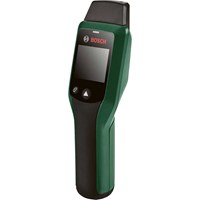
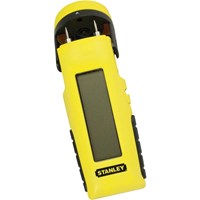
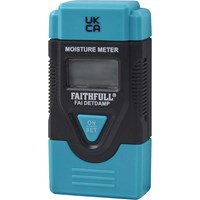
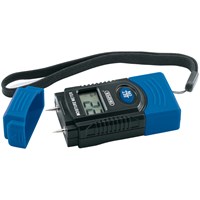
 Loading...
End of content
Error - No more pages to load
About Damp Meters
Damp meters are essential diagnostic instruments designed to detect and measure moisture levels in building materials including timber, plaster, masonry, and concrete. Also known as moisture meters or moisture detectors, these tools help tradespeople and property professionals identify damp problems before they escalate into serious structural issues, mould growth, or timber decay. MyToolShed.co.uk stocks a comprehensive range from trusted brands including Bosch, Draper, Stanley, and Faithfull, offering both pin-type meters that use electrode probes to measure electrical resistance and non-invasive scanning models that detect subsurface moisture without marking surfaces.
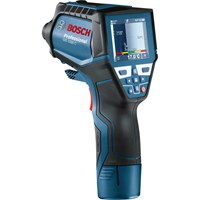
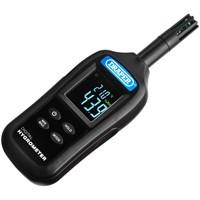
Modern damp detection equipment ranges from basic handheld detectors ideal for DIY enthusiasts to advanced thermo-hygrometers featuring temperature measurement, humidity readings, digital displays, and Bluetooth connectivity for data logging. Professional models often incorporate multiple calibration scales for different materials, audible alerts when moisture thresholds are exceeded, and integrated cameras for documentation, making them indispensable for building surveys, damp investigations, and monitoring drying processes after water damage.
Applications
- Building Surveyors: Conducting pre-purchase property surveys, homebuyer reports, and structural investigations to identify penetrating damp, rising damp, and condensation issues
- Damp Proofing Specialists: Diagnosing moisture problems, specifying treatment solutions, and verifying effectiveness of damp-proof courses and waterproofing systems
- Plumbers: Locating hidden leaks, assessing water damage extent, and monitoring drying progress after burst pipes or heating system failures
- Plasterers and Decorators: Ensuring substrate moisture levels are suitable before applying finishes to prevent blistering and paint adhesion failures
- Carpenters and Joiners: Verifying timber moisture content before installation to prevent warping, shrinkage, and joint failure in structural timbers and joinery
- Restoration Specialists: Monitoring drying processes following flood damage and documenting progress for insurance claims
- Property Managers and Landlords: Investigating tenant-reported damp issues and maintaining compliance with housing health and safety regulations
- DIY Enthusiasts: Checking timber before woodworking projects and monitoring moisture levels in basements, lofts, and problem areas
Choosing The Right Damp Meters
Measurement Technology: Pin-type meters offer precise, localised readings ideal for detailed investigations and timber assessment, whilst non-invasive scanning meters enable rapid surveys without surface damage. Many professionals choose models offering both technologies for maximum versatility.
Measurement Range: Basic models typically measure timber moisture content from 6-40%, suitable for most woodwork applications. Professional instruments offer wider ranges (0-100%) and multiple calibration scales for concrete, plaster, brick, and screed. If working with diverse materials, select a meter with pre-programmed settings for accurate readings across different substrates.
Display and Features: Digital LCD displays provide clear percentage readings, whilst advanced features include temperature measurement, relative humidity monitoring, data logging, and audible alerts. MyToolShed.co.uk stocks models with Bluetooth connectivity for transferring data to smartphones and tablets, simplifying professional report generation.
Accuracy and Durability: Professional-grade meters offer superior accuracy (typically ±1-2%), robust construction for site use, and calibration stability. Consider battery life for extended surveys and ingress protection ratings if working in wet conditions.
Frequently Asked Questions
What moisture content reading indicates a damp problem?
For timber, readings below 16% are generally acceptable for interior use, 16-20% indicates elevated moisture requiring investigation, and above 20% represents conditions conducive to fungal decay requiring remedial action. For masonry materials, readings above 20% typically warrant further investigation, though interpretation depends on material type and building construction.
Will a moisture meter work through paint or wallpaper?
Non-invasive scanning meters can detect moisture through thin coverings like paint and wallpaper, though accuracy may be reduced. Metallic coatings, thick tiles, and moisture-barrier membranes will block the signal. Pin-type meters must penetrate the surface to reach substrate material, which will mark finished surfaces.
Do I need to calibrate my moisture meter?
Most modern moisture meters from brands stocked at MyToolShed.co.uk come factory-calibrated and maintain accuracy for normal use. Professional users should periodically verify accuracy using calibration check standards. Always follow manufacturer maintenance guidelines and ensure fresh batteries, as low batteries can affect reading accuracy.