Cylinder Leakage Testers

Filter Options

Pay in 3 interest-free payments on purchases from £30-2000 with PayPal Pay in 3. Learn more.

Showing 3 results

Showing 3 results

Loading Loading...

End of content

Error - No more pages to load

About Cylinder Leakage Testers

Cylinder leakage testers are essential diagnostic tools for automotive professionals, enabling precise assessment of engine condition by measuring the amount of air escaping from the combustion chamber. Unlike compression testers that measure pressure build-up, these sophisticated instruments introduce compressed air into each cylinder at top dead centre and calculate the percentage of leakage, providing a more accurate picture of engine health. This diagnostic method helps identify worn piston rings, damaged valves, blown head gaskets, and cracked cylinder heads before they develop into costly failures.

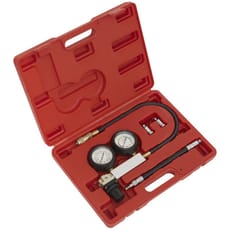
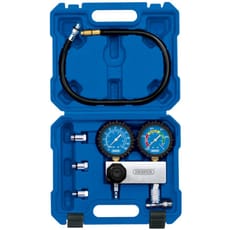
Our range of cylinder leakage testers includes professional-grade kits from trusted brands such as Sealey and Draper, featuring dual-gauge systems that simultaneously display regulated air pressure and leakage percentage. These comprehensive diagnostic sets typically include multiple adaptor fittings to accommodate various spark plug thread sizes, making them suitable for use on petrol engines across cars, motorcycles, light commercial vehicles, and small plant equipment. The two-gauge configuration allows technicians to maintain consistent test pressure whilst monitoring leakage readings, ensuring reliable and repeatable results.

Modern cylinder leakage testing equipment provides quantifiable data that supports accurate diagnosis and helps justify repair recommendations to customers. By identifying the source of compression loss through careful listening at the exhaust, intake, crankcase breather, or adjacent cylinders, experienced technicians can pinpoint specific failure points without invasive disassembly. This non-destructive testing method has become an indispensable part of pre-purchase inspections, routine maintenance diagnostics, and post-repair verification in professional workshops throughout the UK.

Jargon Buster

Leakage Percentage
The amount of compressed air escaping from the cylinder expressed as a percentage. Readings below 10% indicate excellent condition, 10-20% is acceptable, whilst readings above 20% suggest significant wear or damage requiring attention.
Top Dead Centre (TDC)
The position where the piston is at its highest point in the cylinder. Cylinder leakage tests must be performed at TDC on the compression stroke to ensure valves are closed and provide accurate readings.
Dual-Gauge System
A configuration featuring two pressure gauges—one displaying the regulated input pressure (typically 100 PSI or 7 bar) and another showing the resulting cylinder pressure after leakage, allowing calculation of leakage percentage.
Whistle Fitting
A small device inserted into the spark plug hole that whistles when air flows through it, used to locate the piston at TDC before conducting the leakage test.
Compression Stroke
The phase of the four-stroke cycle where both intake and exhaust valves are closed, allowing the tester to pressurise the sealed combustion chamber and measure leakage accurately.
Regulated Shop Air
Compressed air from a workshop compressor that has been reduced to the specified test pressure through the tester's regulator, ensuring consistent and safe testing conditions.

Who Uses Cylinder Leakage Testers?

  • Mobile Mechanics – conducting pre-purchase vehicle inspections and diagnostics at customer locations
  • Independent Garage Technicians – diagnosing engine performance issues and verifying repair quality
  • MOT Testing Stations – investigating emissions failures and engine condition concerns
  • Classic Car Restorers – assessing engine condition before rebuild decisions and post-restoration verification
  • Motorcycle Mechanics – testing single and multi-cylinder engines in bikes, scooters, and off-road machines
  • Agricultural Equipment Technicians – maintaining small engines in lawn equipment, generators, and compact machinery
  • Racing Teams and Performance Tuners – monitoring engine condition and optimising seal performance
  • Training Workshops and Colleges – teaching diagnostic techniques to apprentice technicians
  • Fleet Maintenance Departments – conducting preventative maintenance assessments on company vehicles
  • Marine Engine Specialists – diagnosing problems in boat engines and personal watercraft

How to Choose the Right Cylinder Leakage Testers

Gauge Quality and Readability: Look for testers with large, clearly marked gauges that display both input pressure and leakage percentage. Professional-grade instruments feature precision gauges with accurate calibration, typically showing regulated pressure and cylinder pressure simultaneously. Dual-gauge systems provide the most reliable readings and are preferred in busy workshop environments where quick, accurate diagnosis is essential.

Adaptor Compatibility: Ensure the kit includes adaptors for the spark plug thread sizes you'll encounter most frequently. UK workshops typically need 14mm and 18mm adaptors with various reach lengths, whilst motorcycle specialists may require 10mm and 12mm fittings. Comprehensive kits like the Draper 7 Piece set include multiple adaptors to cover a wider range of applications, reducing the need for separate purchases.

Build Quality and Durability: Professional cylinder leakage testers experience frequent use and must withstand the demands of busy workshops. Look for robust construction with quality brass or steel fittings, reinforced hoses that resist kinking, and protective rubber gauge surrounds. Brands such as Sealey and Draper have established reputations for producing reliable diagnostic equipment that delivers consistent performance across thousands of test cycles.

Pressure Regulation: The tester should maintain a steady regulated pressure (typically 100 PSI or approximately 7 bar) throughout the test. Built-in regulators with adjustment controls allow technicians to set precise test pressures according to manufacturer specifications or testing standards. Consistent regulated pressure is crucial for obtaining repeatable, comparable results across different engines and testing sessions.

Storage and Portability: Consider whether the tester comes with a storage case for organisation and protection. Mobile mechanics and those working across multiple sites will appreciate compact kits that include all necessary components in a purpose-designed case. Workshop-based technicians might prioritise ease of storage on tool trolleys or wall-mounted systems.

Air Supply Requirements: Verify that your workshop compressor can supply sufficient volume at the required pressure. Cylinder leakage testing requires a continuous supply of clean, dry compressed air, so ensure your air system includes adequate moisture separation to prevent gauge damage and inaccurate readings.

Popular Accessories

  • Additional Spark Plug Adaptors – extra fittings for specialist applications or less common thread sizes
  • TDC Finding Tools and Whistles – dedicated devices for accurately locating top dead centre position
  • Air Line Quick Couplers – for fast connection and disconnection from workshop air supplies
  • Compression Testers – complementary diagnostic tools for comparative testing and initial assessments
  • Thread Chasers and Spark Plug Tap Sets – for cleaning and repairing damaged spark plug threads before testing
  • Pressure Regulators and Filters – workshop air preparation equipment ensuring clean, consistent supply
  • Borescopes and Inspection Cameras – for visual verification of damage identified through leakage testing
  • Workshop Air Compressors – adequate air supply for consistent testing performance
  • Diagnostic Stethoscopes – for pinpointing leakage sources by listening at various engine locations

Safety Information

Compressed Air Hazards: Always wear appropriate eye protection when working with compressed air systems. Never exceed the recommended test pressure, as excessive pressure can damage engine components or cause injury. Ensure all connections are secure before pressurising the system, and never direct compressed air towards yourself or others.

Engine Position Security: Before conducting a leakage test, ensure the engine cannot rotate unexpectedly. Place the transmission in gear (manual) or park (automatic), apply the parking brake firmly, and consider using additional methods such as removing the key or disconnecting the coil. Pressurised air in the cylinder can cause the engine to rotate violently if not properly secured at TDC.

Workshop Ventilation: Conduct testing in well-ventilated areas, particularly when working on vehicles that have recently been running. Exhaust gases and fuel vapours may be present, and adequate ventilation reduces exposure to harmful substances in line with HSE guidelines and COSHH regulations.

Component Temperature: Allow engines to cool to a safe working temperature before removing spark plugs and conducting leakage tests. Hot components can cause burns, and testing on hot engines may yield inaccurate results due to thermal expansion affecting clearances and sealing surfaces.

Frequently Asked Questions

What's the difference between a compression tester and a cylinder leakage tester?

A compression tester measures the maximum pressure generated during the compression stroke, providing a relative indication of engine condition. A cylinder leakage tester introduces a known pressure into the cylinder and measures how much escapes, providing a quantifiable percentage that precisely identifies seal effectiveness. Leakage testers offer more diagnostic information about where problems exist (valves, rings, or gaskets) by listening at various locations whilst the cylinder is pressurised.

What leakage percentage indicates an engine needs attention?

Generally, leakage below 10% indicates excellent condition, 10-20% is acceptable for normal use, whilst readings above 20% suggest significant wear or damage. However, context matters—a race engine might require sub-5% leakage for optimal performance, whilst an older utility vehicle with 25% leakage might still provide adequate service. The source of leakage (rings versus valves) also influences repair urgency and recommendations.

Can I use a cylinder leakage tester on diesel engines?

Most cylinder leakage testers are designed specifically for petrol engines. Diesel engines operate at much higher compression ratios and typically require specialised testing equipment with different adaptors and procedures. Additionally, diesel engines use glow plugs rather than spark plugs, requiring different thread adaptors. Check manufacturer specifications before attempting to test diesel engines with equipment designed for petrol applications.

Do I need a special air compressor for cylinder leakage testing?

You'll need a workshop compressor capable of delivering clean, dry air at approximately 100 PSI (7 bar) with sufficient volume to maintain pressure during testing. Most professional workshop compressors meet these requirements. Ensure your air system includes moisture separation, as water in the air supply can damage gauges and affect readings. Portable compressors may struggle to maintain consistent pressure during extended testing sessions.

How do I locate the source of cylinder leakage?

With the cylinder pressurised during testing, carefully listen at key locations: hissing from the exhaust indicates exhaust valve leakage; noise from the intake suggests intake valve problems; bubbling in the cooling system points to head gasket failure; and air escaping from the crankcase breather or oil filler indicates piston ring wear. This diagnostic process, combined with the leakage percentage reading, provides comprehensive information for accurate repair recommendations.

^ Top