
Cutting & Sawing Tools

Pay in 3 interest-free payments on purchases from £20-£3000 with  . Learn more.

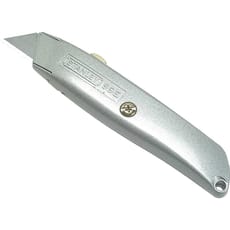
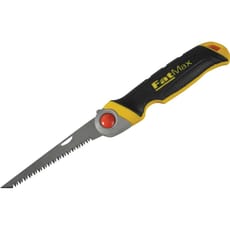
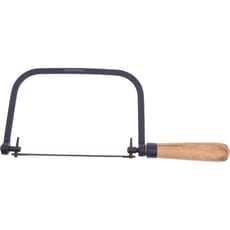
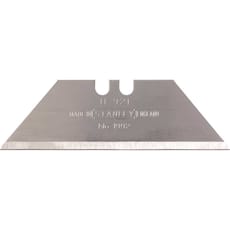
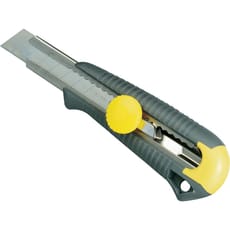
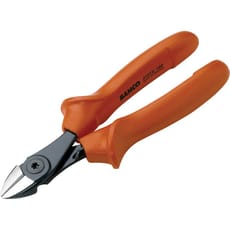
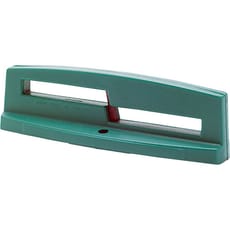
 Loading...
End of content
Error - No more pages to load
About Cutting & Sawing Tools
Cutting and sawing tools are essential for any tradesperson or DIY enthusiast, encompassing everything from precision hand saws and utility knives to heavy-duty cutters and snips. Whether you're a carpenter making fine joinery cuts, a plumber cutting through pipework, or an electrician routing cable channels, having the right cutting tool ensures accuracy, efficiency, and safety on site. MyToolShed.co.uk stocks a comprehensive range including saws, cutters, shears, snips, scissors, knives, hole punches, punch pliers, concrete nippers, and strap cutters designed to handle materials from soft plastics to reinforced concrete.
The quality of your cutting tools directly impacts both the finish of your work and your productivity throughout the day. Professional-grade cutting and sawing tools from trusted brands like Stanley, Bahco, Knipex, and Irwin are engineered to maintain sharp edges longer, provide better control, and withstand the rigours of daily site work. Modern designs incorporate ergonomic handles to reduce hand fatigue, precision-ground blades for cleaner cuts, and safety features that protect users whilst maintaining cutting efficiency.
Applications
Cutting and sawing tools are used across virtually every trade and industry:
- Carpenters and Joiners: Hand saws, knives, and precision cutting tools for timber work, laminate, and trim installation
- Electricians: Cable cutters, wire strippers, and scissors for electrical conduit and cabling work
- Plumbers: Pipe cutters, hacksaws, and shears for copper, plastic, and steel pipework
- Roofers: Tin snips, shears, and specialist cutters for flashing, guttering, and roofing materials
- HVAC Engineers: Sheet metal cutters, snips, and hole punches for ductwork fabrication
- General Builders: Comprehensive cutting tools for working across multiple construction materials
- Landscapers: Pruning saws, shears, and heavy-duty cutters for wire, mesh, and garden materials
- DIY Enthusiasts: Essential hand tools for home improvement, renovation, and maintenance projects
Choosing The Right Cutting & Sawing Tools
Material Compatibility: Identify the primary materials you'll be cutting. Soft materials like plastic and rubber require different blade geometries compared to metal or concrete. Always check manufacturer specifications to ensure the tool is rated for your intended application.
Cutting Capacity: Consider the maximum thickness or diameter you need to cut. Tools are rated with specific capacities—selecting a cutter with inadequate capacity leads to poor results and potential tool damage.
Frequency of Use: Professional tradespeople working daily should invest in premium brands offering superior durability and comfort features. Occasional DIY users can opt for mid-range options that balance quality with value.
Ergonomics: For repetitive cutting tasks, ergonomic handles with soft-grip materials significantly reduce hand fatigue. Test the grip where possible, ensuring it suits your hand size and working style.
Blade Type: Consider whether you need replaceable blades (utility knives, certain saws) or complete units (most cutters and snips). TPI (teeth per inch) matters for saws—higher TPI (14-32) for smooth cuts in metal, lower TPI (6-10) for faster timber cutting.
Safety Information
Cutting and sawing tools present injury risks if used improperly. Always wear appropriate PPE including safety glasses to protect against flying debris, and cut-resistant gloves rated to EN388 standards when handling sharp blades. Maintain tools in good condition—blunt blades require excessive force and are more likely to slip, causing accidents. Always cut away from your body and keep hands clear of the cutting line. Secure materials properly using clamps or vices rather than holding by hand. Store cutting tools safely with blade guards fitted, and dispose of worn blades responsibly in sharps containers. MyToolShed.co.uk recommends following HSE guidelines for hand tool use and ensuring appropriate training for specialist equipment.
Frequently Asked Questions
What's the difference between bypass and anvil cutting actions?
Bypass cutters work like scissors, with two sharp blades passing each other to provide clean, precise cuts without crushing—ideal for cables, plastics, and soft materials. Anvil cutters use a sharp blade cutting against a flat surface, offering more power for tough materials but potentially causing compression at the cut point. For most trade applications, bypass action is preferred for its cleaner finish.
Can I use the same saw for wood and metal?
Whilst some universal blades exist, dedicated saws provide far better results. Wood saws have larger, more aggressive teeth (lower TPI) for fast cutting, whilst metal-cutting saws feature fine teeth (higher TPI) to prevent snagging. Using a wood saw on metal will quickly ruin the blade. Invest in specific tools for your primary materials.
Are expensive branded cutting tools worth the investment?
For professional tradespeople, premium brands like Knipex, Bahco, and Wera offer significantly better edge retention, ergonomics, and durability under daily site use. The improved productivity typically justifies the higher cost. DIY users working occasionally may find mid-range options offer the best value without compromising essential quality.