

Cutting Discs
Pay in 3 interest-free payments on purchases from £30-2000 with  . Learn more.

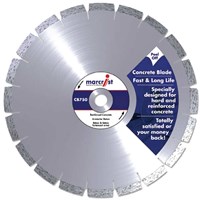
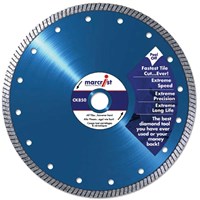
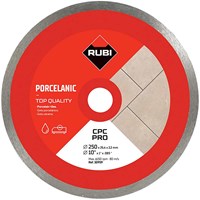
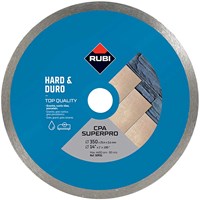




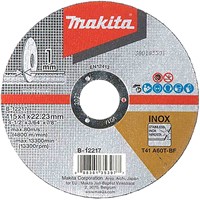
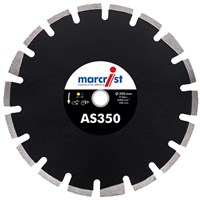
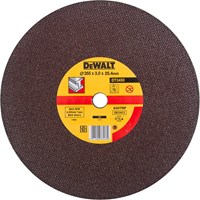
 Loading...
End of content
Error - No more pages to load
About Cutting Discs
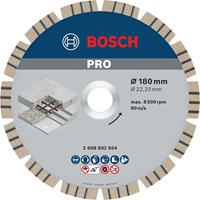
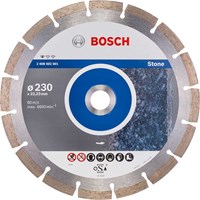
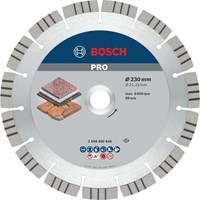
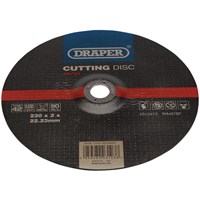
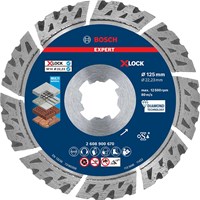
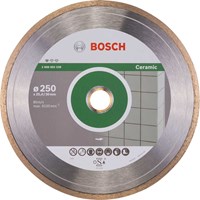
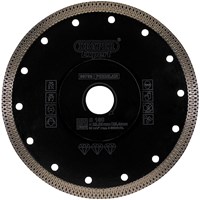
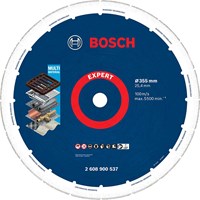
Cutting discs are essential abrasive consumables used with angle grinders, chop saws, and petrol cut-off saws to cut through metal, masonry, concrete, stone, and ceramic materials. MyToolShed.co.uk stocks a comprehensive range of cutting discs in various diameters (115mm to 355mm), thicknesses, and specifications to suit professional tradespeople and DIY enthusiasts. The category includes bonded abrasive discs for ferrous and non-ferrous metals, diamond blades for masonry and hard materials, and specialist multi-purpose discs for versatile applications.
Premium brands like Bosch Professional dominate the selection at MyToolShed, offering advanced technologies including X-LOCK quick-change systems for tool-free disc changes, ECO ranges for extended lifespan, and specialist diamond blades engineered for concrete, stone, and ceramic work. Whether you're cutting steel reinforcement bars, slicing through porcelain tiles, or trimming concrete paving slabs, selecting the correct disc specification ensures safe, efficient cutting and maximum disc longevity.
Applications
Cutting discs serve numerous trades and applications across construction, fabrication, and maintenance work:
- Steel fixers and reinforcement workers – cutting rebar and steel mesh on construction sites
- General builders – cutting concrete blocks, brickwork, metal fixings during renovations
- Fabricators and welders – preparing steel sections, cutting metal profiles, finishing welds
- Tilers – cutting ceramic and porcelain tiles with diamond blades for bathroom and kitchen installations
- Landscapers and groundworkers – cutting paving slabs, kerbstones, drainage pipes
- Roofing contractors – cutting metal flashing, steel roof sheets, and slate
- Plumbers and heating engineers – cutting copper and steel pipework during installations
- Maintenance teams – general site work requiring material cutting and surface preparation
- DIY enthusiasts – home improvement projects involving metal, masonry, or tile cutting
Choosing The Right Cutting Discs
Material compatibility is paramount—bonded abrasive discs suit ferrous metals whilst diamond blades are essential for concrete, stone, brick, tiles, and ceramics. Using incorrect disc types risks dangerous disc failure and poor results.
Disc diameter must match your power tool's capacity. Common sizes include 115mm and 125mm for small angle grinders, 230mm for large grinders, and 300mm to 355mm for chop saws and petrol cut-off saws. Never fit oversized discs to tools.
Thickness affects cutting performance—thinner discs (1mm-1.6mm) cut faster with less material waste but are more fragile, whilst thicker discs (3mm+) offer greater durability for heavy-duty structural cutting.
Bore size must match your tool's spindle exactly. Most UK angle grinders use 22.23mm bores, whilst chop saws typically require 25.4mm. Modern X-LOCK systems available at MyToolShed.co.uk offer tool-free wheel changes for improved productivity.
Speed rating is critical for safety—the disc's maximum RPM must equal or exceed your tool's operating speed. Always verify both specifications before purchasing to prevent dangerous disc failure.
Safety Information
Cutting discs rotate at extremely high speeds and demand strict safety protocols. Always wear appropriate PPE including safety goggles or face shields, hearing protection, dust masks, and protective gloves. Ensure guards are correctly fitted and positioned before starting work.
Inspect every disc before fitting for cracks, chips, or damage—never use compromised discs. Verify the disc's maximum RPM rating exceeds your tool's speed and ensure bore size matches exactly. Allow new discs to run at full speed for 30 seconds before applying to material, standing to the side rather than directly behind the tool.
When cutting masonry materials, be aware of COSHH regulations regarding respirable crystalline silica dust exposure. Use water suppression or on-tool extraction where possible. Never force a disc through material—let the tool work at its own pace to prevent overheating, kickback, or disc failure. Store discs flat in dry conditions and check expiry dates on resin-bonded metal cutting discs, which typically have three-year shelf lives.
Frequently Asked Questions
Can I use the same disc to cut metal and masonry?
No, you must use material-specific discs. Metal cutting discs use resin-bonded abrasives, whilst masonry requires diamond blades. Using the wrong disc type is dangerous and won't cut effectively. Some multi-material discs exist but specialist discs always deliver better, safer results.
What's the difference between a 1mm and 3mm cutting disc?
Thinner 1mm discs cut faster with less material waste, making them ideal for precision work and materials like sheet metal. Thicker 3mm discs are more robust, last significantly longer, and better suit heavy-duty applications like cutting structural steel, though they remove more material per cut.
How do I know when a cutting disc needs replacing?
Replace bonded abrasive discs when they've worn down to approximately 75% of their original diameter or if cutting performance decreases noticeably. Diamond blades need replacement when segments are worn flush with the steel core. Always discard damaged or cracked discs immediately regardless of remaining material.