

Countersinks
Pay in 3 interest-free payments on purchases from £30-2000 with  . Learn more.
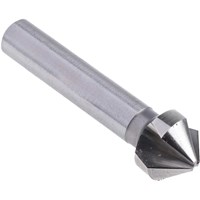
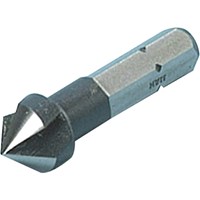
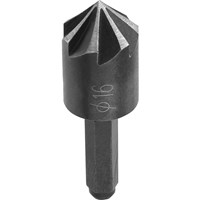
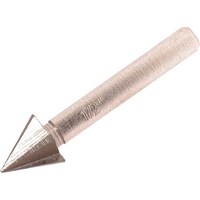

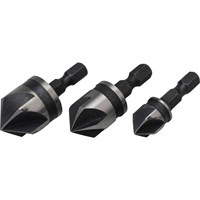
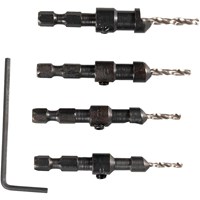
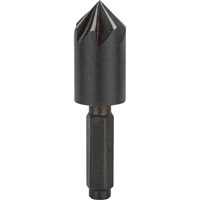
 Loading...
End of content
Error - No more pages to load
About Countersinks
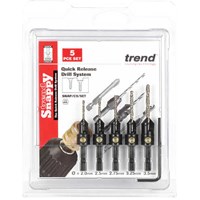
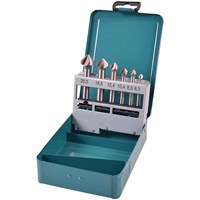
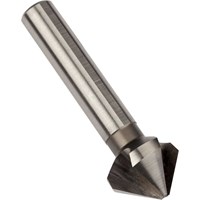
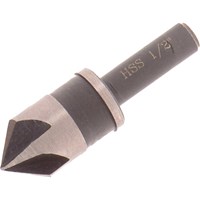
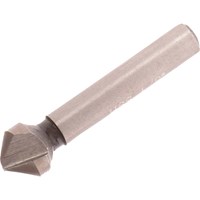
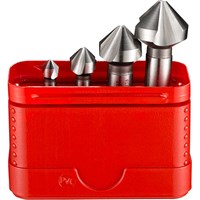
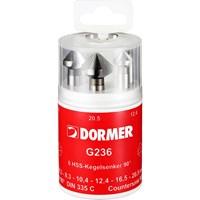
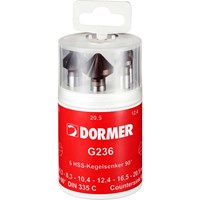
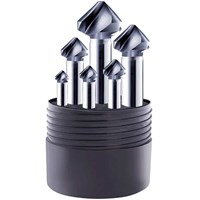
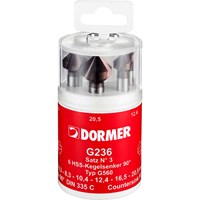
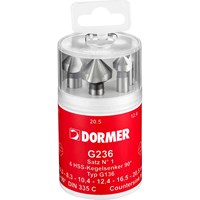
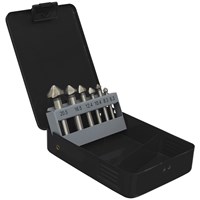
Countersinks are precision cutting tools designed to create conical recesses in wood, metal, plastic and composite materials, allowing screw heads to sit flush with or below the surface. This bevelled pocket ensures a professional finish whilst protecting fastener heads from damage and snagging. MyToolShed.co.uk stocks a comprehensive range from leading brands including Dormer, Bosch Professional, Makita, DeWalt and Faithfull, covering everything from individual HSS countersink bits to multi-piece sets.
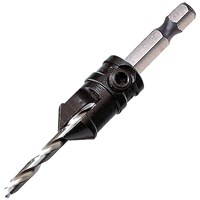
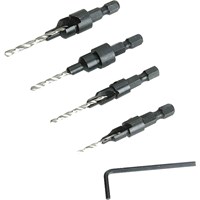
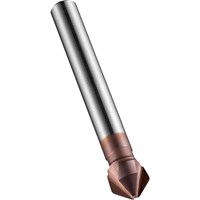
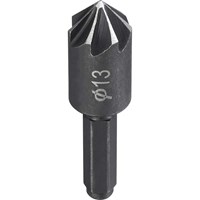
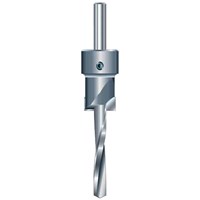
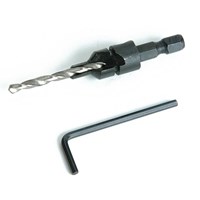
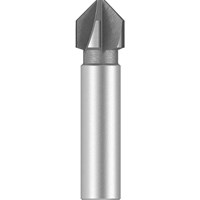
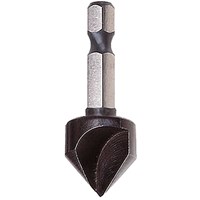
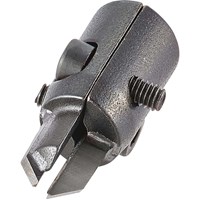
Available in various configurations including straight shank for traditional drill chucks and hex shank for quick-change systems, countersinks feature either three or six flutes for efficient chip clearance. The standard 90-degree angle accommodates most countersunk screws used in UK construction and engineering. Premium options include TiAlN-coated and carbide-tipped variants for demanding metalwork applications, whilst combination pilot drill and countersink bits enable both operations in a single pass, saving considerable time on repetitive installations.
Applications
Countersinks are essential tools across numerous trades and industries:
- Carpenters and Joiners: Creating flush-fitted screw holes in timber joinery, cabinetry and architectural woodwork
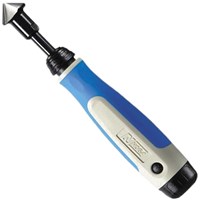
- Engineering Machinists: Deburring and countersinking holes in metal components for mechanical assemblies
- Shopfitters: Installing fixtures and display units with concealed fixings
- Electricians: Mounting electrical equipment and trunking with countersunk fixings for safety and aesthetics
- Metalworkers and Fabricators: Preparing steel, aluminium and brass components for assembly
- Window and Door Fitters: Installing hinges, handles and hardware with flush-fitted screws
- DIY Enthusiasts: Home improvement projects including deck building, furniture assembly and renovation work
- Aircraft and Marine Engineers: Countersinking rivets and fasteners in aluminium and composite panels
Choosing The Right Countersinks
Material Compatibility: HSS countersinks handle wood, plastic and softer metals, whilst TiAlN-coated or carbide-tipped variants are necessary for stainless steel and hardened materials. Always verify the manufacturer's specifications for your application.
Shank Type: Hex shank countersinks offer quick-change convenience with modern cordless drills and impact drivers. Straight shank designs suit traditional three-jaw chucks on pillar drills and bench-mounted equipment.
Angle and Size: The 90-degree angle is standard for most countersunk screws in the UK. MyToolShed.co.uk offers comprehensive sets covering multiple sizes to accommodate various screw gauges from small woodscrews to larger coach screws.
Number of Flutes: Three-flute countersinks provide aggressive cutting ideal for wood and softer materials. Six-flute designs deliver smoother finishes in metal with reduced chatter.
Brand Quality: Professional tradespeople benefit from premium brands like Dormer, Bosch Professional and Makita for superior tool life. Quality mid-range options from Faithfull, Sealey and Draper offer excellent value for occasional use.
Safety Information
Always wear safety glasses or goggles when using countersinks to protect against flying swarf and metal fragments. Ensure workpieces are securely clamped before commencing work—countersinks can snag and cause materials to spin, potentially causing injury. Maintain appropriate speeds when power-drilling; excessive speed generates heat that can damage both the countersink and workpiece. Regularly inspect countersinks for wear or blunt cutting edges. Dull tools require excessive pressure, increasing the risk of slippage and breakage. When countersinking overhead, take extra precautions against falling debris.
Frequently Asked Questions
What's the difference between a countersink and a counterbore?
A countersink creates a conical recess for flat-head screws to sit flush with the surface. A counterbore creates a flat-bottomed cylindrical recess for socket-head cap screws or bolt heads, allowing them to sit below the surface with the hole often plugged for a concealed finish.
Can I use the same countersink for wood and metal?
Whilst many HSS countersinks will cut both materials, using the same tool for wood and metal significantly reduces lifespan. For professional results and longevity, maintain separate countersinks for different materials, particularly when working with harder metals.
How deep should I countersink for screws?
Countersink depth should allow the screw head to sit flush with or fractionally below the surface—typically 0.5-1mm below for timber that may be sanded. Test on scrap material first, as over-countersinking weakens the material around the fastener. Adjustable depth stops ensure consistency across multiple fastenings.