

Corner & Edging Trowels
Pay in 3 interest-free payments on purchases from £30-2000 with  . Learn more.
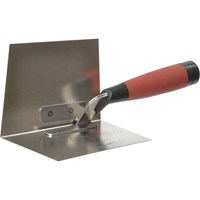
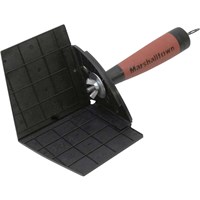
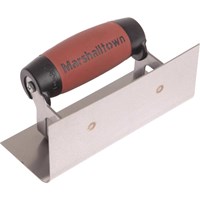
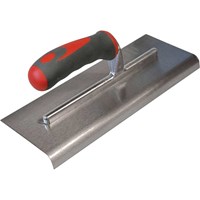
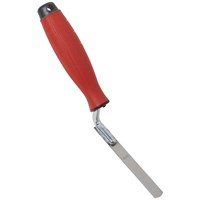
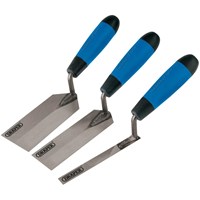
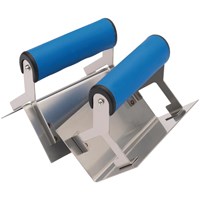
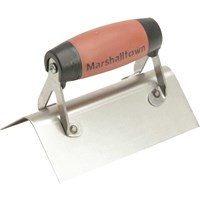
 Loading...
End of content
Error - No more pages to load
About Corner & Edging Trowels
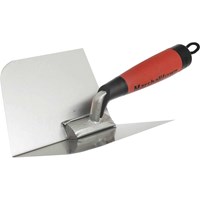
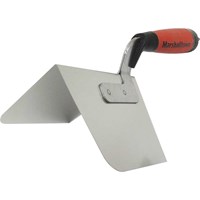
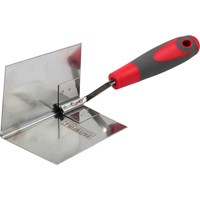
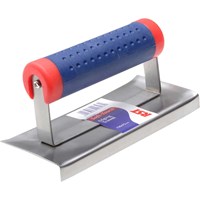
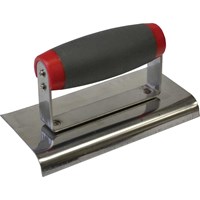
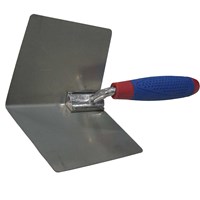
Corner and edging trowels are specialised hand tools designed for plasterers, renderers, and decorators who need to achieve professional finishes in areas where standard flat trowels cannot reach. These precision tools enable tradespeople to apply, smooth, and finish plaster, render, or joint compound in internal and external corners, along edges, and around architectural features. MyToolShed.co.uk stocks a comprehensive range from trusted brands including Marshalltown, Faithfull, RST, Draper, Spear and Jackson, and Sealey.
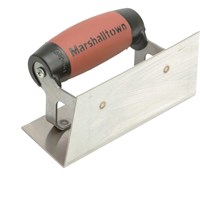
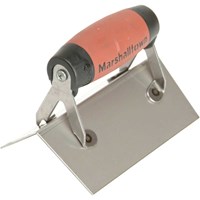
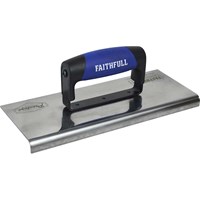
Available in both stainless steel and carbon steel variants, corner and edging trowels include internal and external corner trowels in square and rounded profiles, curved corner trowels for shaped work, edging trowels for straight runs, and drywall corner trowels for plasterboard installations. Many models feature soft-grip handles for enhanced comfort during extended use, whilst stainless steel blades offer superior rust resistance and easier cleaning for professionals demanding tools that deliver lasting performance.
Applications
- Plasterers: Professional finishing work on internal corners throughout residential and commercial properties
- Renderers: Finishing corners and edges on exterior walls, creating weather-tight and visually appealing surfaces
- Drywall Installers: Taping and finishing plasterboard corners during stud wall and ceiling installations
- Decorators: Surface preparation and filling imperfections before final decoration
- Maintenance Contractors: Repair work and making good damaged plasterwork in commercial and residential buildings
- DIY Enthusiasts: Home improvement projects including plastering, kitchen and bathroom installations
- Heritage Restoration: Matching original architectural features in listed buildings and period properties using curved corner trowels
Choosing The Right Corner & Edging Trowels
Blade Material: Stainless steel blades offer superior rust resistance and longevity, ideal for professional use. Carbon steel options are more economical for occasional use but require thorough maintenance to prevent corrosion. Marshalltown and Faithfull offer excellent stainless steel options available at MyToolShed.co.uk.
Corner Profile: Square profiles create sharp 90-degree angles for modern construction, whilst rounded profiles suit softer edges and period properties. Many professionals keep both types for versatility.
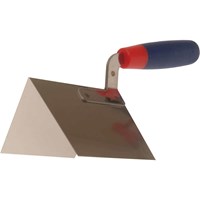
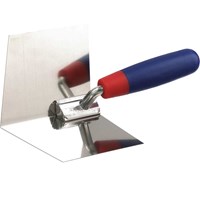
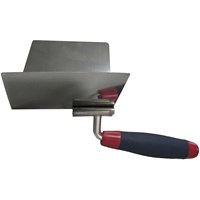
Internal or External: Internal corner trowels have blades angled inward for inside corners, whilst external corner trowels angle outward. Ensure you select the correct orientation for your application.
Handle Comfort: Soft-grip handles significantly reduce hand fatigue during extended use. RST, Faithfull, and Draper manufacture models with ergonomic soft-touch handles providing excellent grip even when wet.
Blade Size: Larger blades cover more area quickly but may be unwieldy in tight spaces. Edging trowels typically range from 150mm to 300mm in length.
Frequently Asked Questions
What's the difference between internal and external corner trowels?
Internal corner trowels have two blades angled inward (forming a 'V' shape) for finishing inside corners where walls meet. External corner trowels have blades angled outward for finishing protruding corners. Using the wrong type makes achieving a good finish virtually impossible.
Should I choose stainless steel or carbon steel corner trowels?
Stainless steel trowels offer excellent rust resistance, easier cleaning, and longer lifespan, making them ideal for professional tradespeople. Carbon steel trowels are more economical and perfectly adequate for DIY use, though they require thorough cleaning and drying after each use to prevent corrosion.
How do I maintain my corner trowels?
Clean your trowels immediately after use with clean water, removing all residue. Dry thoroughly to prevent rust, particularly with carbon steel blades. Store in a dry location, and consider applying light oil to carbon steel blades if storing for extended periods.