

Coping Saw Blades
Pay in 3 interest-free payments on purchases from £30-2000 with  . Learn more.
 Loading...
End of content
Error - No more pages to load
About Coping Saw Blades
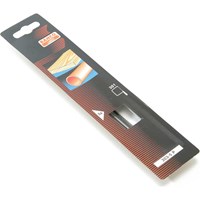
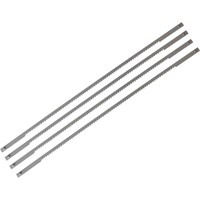
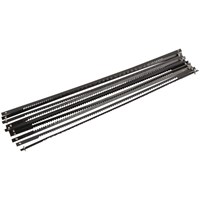
Coping saw blades are precision cutting tools designed for intricate woodworking tasks, providing the fine-toothed accuracy needed for curved cuts, detailed joinery, and decorative scrollwork. These slender blades, typically 150-170mm in length, feature pin-end fittings that slot securely into standard coping saw frames, creating the tension required for controlled, precise cutting through wood, plastic, and soft metals. MyToolShed.co.uk stocks trusted brands including Bahco, Stanley, Faithfull, and Draper, ensuring tradespeople and DIY enthusiasts have access to quality replacement blades for every cutting requirement.
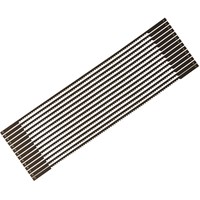
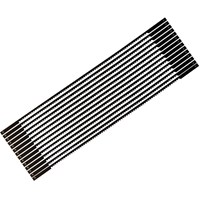
Available in various tooth configurations ranging from 10-20 TPI (teeth per inch), these affordable consumable blades are essential stock for any toolbox. Higher TPI counts deliver smoother, finer cuts ideal for detailed joinery work, whilst lower TPI options provide faster cutting through thicker materials. Whether you're scribing architrave, cutting dovetail joints, or creating intricate decorative features, having sharp replacement blades readily available ensures your work remains accurate and professional.
Applications
- Carpenters and joiners - scribing skirting boards, cutting intricate joints, fitting architrave and mouldings
- Cabinet makers - precision curved cuts for furniture construction and detailed joinery
- Shop fitters - scribing trim around irregular surfaces and custom-fitting decorative features
- Luthiers and instrument makers - crafting wooden components for guitars, violins, and other instruments
- Restoration specialists - repairing and replicating period joinery and architectural details
- Model makers and hobbyists - creating detailed wooden models and craft projects
- DIY enthusiasts - home improvement projects involving dado rails, picture rails, and decorative trim
- Set designers - producing custom-cut wooden components for theatre and film production
Choosing The Right Coping Saw Blades
Teeth Per Inch (TPI): Select TPI based on your cutting requirements. For fine scrollwork and detailed joinery, choose 15-20 TPI for smooth, precise cuts. For faster cutting through thicker stock where finish is less critical, opt for 10-14 TPI blades.
Material Compatibility: Standard wood-cutting blades suit most softwoods and hardwoods. For plastics or non-ferrous metals, check manufacturer specifications to ensure the blade is designed for your specific material.
Brand Quality: MyToolShed.co.uk stocks reputable brands like Bahco, Stanley, Faithfull, and Draper, which offer consistent sharpness, durability, and cutting performance. Premium blades maintain their edge longer and are less prone to snapping under tension.
Pack Quantity: Coping saw blades are consumables that dull with use and occasionally snap during demanding work. Purchase multi-blade packs to ensure you always have sharp replacements available, minimising downtime on site or in the workshop.
Frequently Asked Questions
How often should I replace coping saw blades?
Replace blades when you notice increased resistance, rough cut quality, or wandering during cuts. Professional tradespeople working daily may change blades several times weekly, whilst DIY users might replace them every few projects. Keep spares available as blades can snap unexpectedly.
Which direction should the teeth face?
Most users fit blades with teeth pointing towards the handle, cutting on the pull stroke for greater control and precision. However, some prefer teeth facing away to cut on the push stroke. Experiment to find which orientation suits your technique and provides best visibility of your cut line.
Why do my coping saw blades keep breaking?
Blade breakage typically results from excessive tension, forcing the cut, twisting during curved cuts, or using dull blades that bind in the kerf. Ensure proper blade tension, maintain steady cutting pressure, and replace blades regularly to minimise breakage.