
Contractors Shovels

Pay in 3 interest-free payments on purchases from £20-£3000 with  . Learn more.
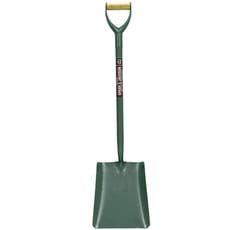
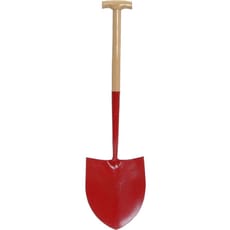
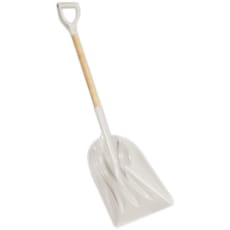
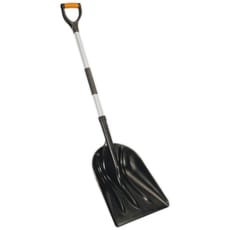

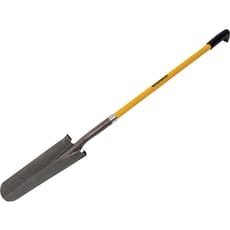
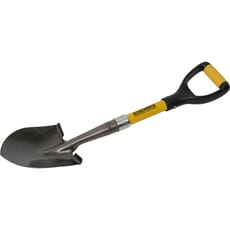
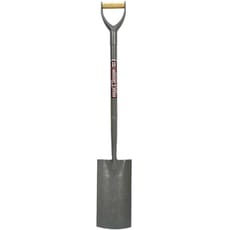
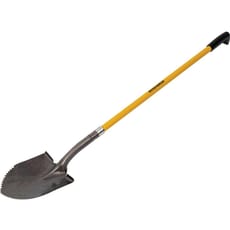
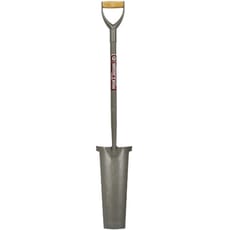
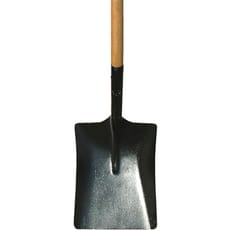
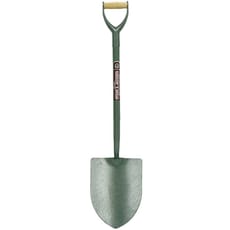
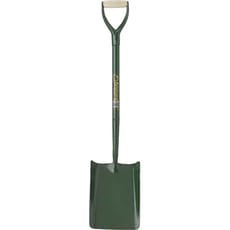
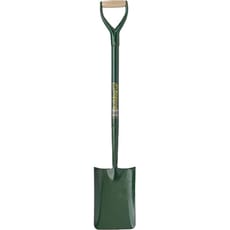
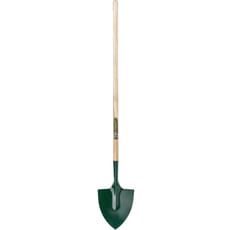
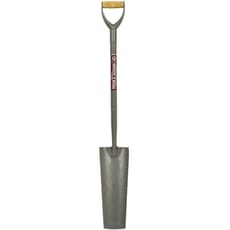
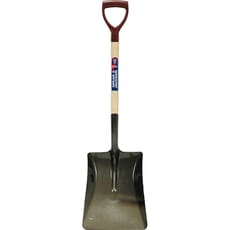
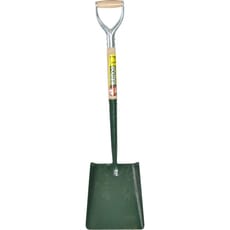
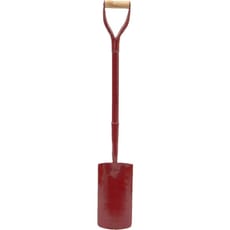
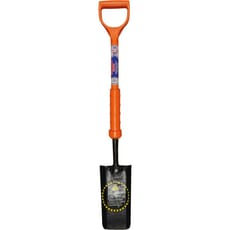
 Loading...
End of content
Error - No more pages to load
About Contractors Shovels
Contractors shovels are heavy-duty digging tools engineered for the demanding conditions of professional construction, groundwork, and landscaping projects. Unlike standard garden shovels, these robust tools feature solid forged construction, reinforced blades, and specialised designs to handle everything from excavating foundations and laying drainage systems to trenching for cables and shifting hardcore materials. MyToolShed.co.uk stocks a comprehensive range including round mouth shovels for digging into compacted soil, square mouth shovels for moving materials, trenching shovels with narrow blades for precision excavation, and cable laying shovels designed specifically for utility work.
Professional-grade contractors shovels from trusted brands like Draper, Faithfull, and Bulldog deliver the durability and performance that tradespeople depend on daily. Many models feature fully insulated handles and blades, providing vital protection when working near live electrical cables or underground services—essential safety equipment for modern construction sites. Whether you need all-steel construction for maximum strength or ergonomic designs to reduce fatigue during extended use, MyToolShed stocks contractors shovels built to meet the exacting standards of UK building sites.
Applications
Contractors shovels are essential tools for a wide range of professionals and applications including:
- Groundworkers and excavation contractors – foundations, drainage systems, and site preparation
- Electricians and cable installers – trenching near services using insulated models for safety
- Landscapers and groundskeepers – earthmoving, planting, and terrain modification
- Plumbers and drainage specialists – installing underground pipework and inspection chambers
- Bricklayers and general builders – mixing materials, moving aggregates, and site clearance
- Highway maintenance crews – roadworks, utility access, and surface repairs
- Agricultural workers and fencing contractors – post holes, drainage, and farm maintenance
- Demolition contractors – rubble removal and site clearance operations
Choosing The Right Contractors Shovels
Blade shape is crucial for your application. Round mouth shovels excel at breaking ground and penetrating compacted soil, making them ideal for excavation. Square mouth designs are better for shifting loose materials like sand, gravel, or spoil. Trenching shovels with narrow blades provide precision for cable laying, whilst taper mouth variants offer versatility across multiple tasks.
Construction quality determines longevity. Solid forged shovels represent the professional standard, offering unmatched strength without weak joints. All-steel construction eliminates traditional wooden handles, providing exceptional durability on harsh building sites where timber shafts might split or break.
Insulation requirements are non-negotiable for electrical work. If you work near underground cables or utilities, fully insulated shovels are essential safety equipment, not optional extras. Look for models tested to relevant electrical safety standards with insulation covering both blade and shaft.
Handle design affects comfort and control. D-grips offer excellent leverage for heavy digging, whilst straight handles provide extended reach. Consider handle length—longer shafts reduce back strain but may be less manoeuvrable in confined spaces. Well-balanced designs reduce fatigue during prolonged use.
Safety Information
Underground services: Always use cable and pipe detection equipment before excavating. Even with insulated shovels, follow proper procedures and contact utility companies to identify underground infrastructure locations before commencing groundworks.
Manual handling: Adopt proper lifting techniques—bend at the knees, keep loads close to your body, and avoid twisting whilst holding heavy loads. Take regular breaks during extended digging sessions to prevent repetitive strain injuries.
Personal protective equipment: Always wear safety boots with steel toecaps, heavy-duty work gloves, and hi-visibility clothing. Eye protection may be necessary when working with rocky or flint-bearing soils.
Tool maintenance: Inspect shovels regularly for cracks in forged heads, loose handles, or compromised insulation. Clean blades after use to prevent corrosion and store tools properly to maintain their safety integrity.
Frequently Asked Questions
Do I really need an insulated shovel for cable laying work?
Absolutely. Insulated shovels are essential safety equipment when working near underground electrical services. Even de-energised cables can become live unexpectedly, and striking a buried cable with a metal shovel can result in serious injury or fatality. Fully insulated models are considered standard equipment for utility contractors and electricians.
What blade shape is most versatile for general contracting work?
A round mouth shovel is generally the most versatile choice for contractors needing a single all-purpose tool. It handles both digging into compacted ground and scooping materials reasonably well. However, if your work involves regular material handling or finishing work, investing in both round and square mouth variants ensures you have the optimal tool for each specific task.
Are all-steel shovels better than those with wooden handles?
All-steel construction offers superior durability and eliminates the risk of handle breakage, making these shovels virtually indestructible on demanding building sites. However, they can be heavier and may transmit more vibration. Wooden or fibreglass-handled shovels can be lighter and absorb some shock, but require more maintenance. For professional contractors prioritising longevity, solid steel or forged construction is generally the preferred choice.