
Combination Squares
Pay in 3 interest-free payments on purchases from £30-2000 with  . Learn more.
 Loading...
End of content
Error - No more pages to load
About Combination Squares
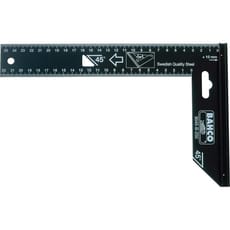
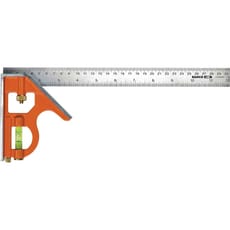
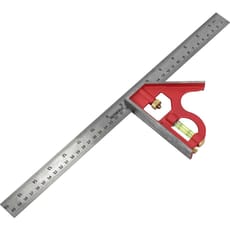
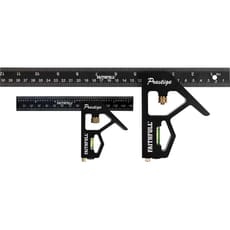
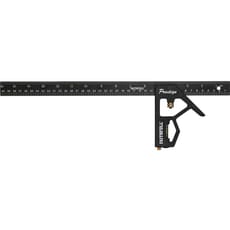
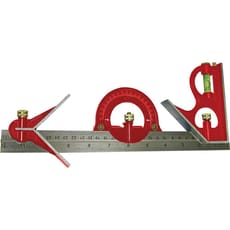
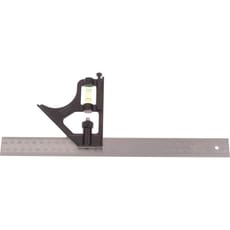
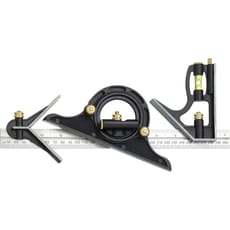
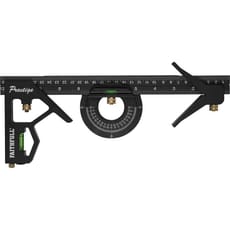
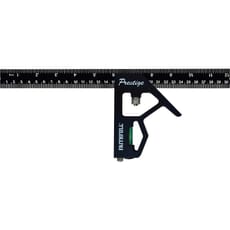
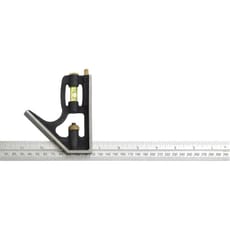
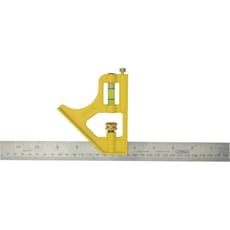
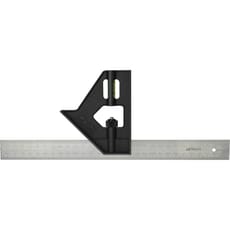
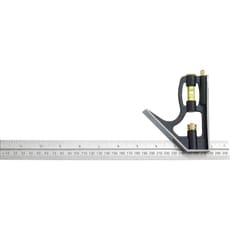
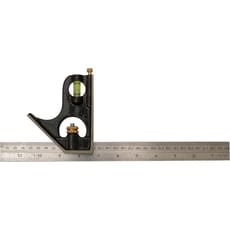
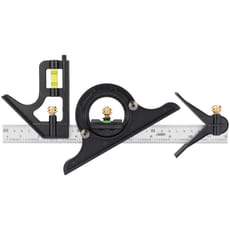
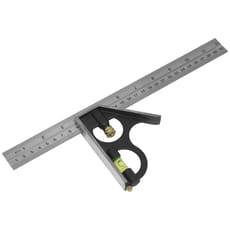
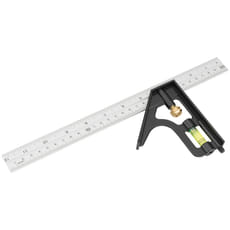
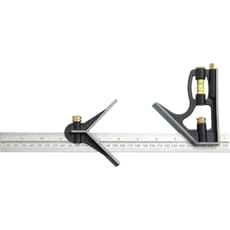
A combination square is an indispensable multi-functional measuring and marking tool that belongs in every professional tradesperson's toolkit. Featuring a graduated steel blade (typically 150mm or 300mm) with a sliding head that locks at any position, these versatile tools combine multiple functions in one compact design. The head incorporates precision-ground 90-degree and 45-degree reference edges, allowing you to check right angles, mark mitres, measure depth, gauge height, and scribe accurate cutting lines with professional precision. Many models also include an integrated spirit level vial and removable scribe for enhanced functionality on site.
MyToolShed.co.uk stocks combination squares from trusted manufacturers including Faithfull, Fisher, Stanley, Bahco, and Draper. Available in various grades from budget-friendly options for DIY enthusiasts to premium precision models for demanding trade applications, these tools feature hardened stainless steel or chrome-plated blades with deeply etched metric graduations. Professional-grade models offer guaranteed accuracy with cast iron or aluminium heads, whilst entry-level versions provide excellent value for occasional use and home workshop projects.
Applications
Combination squares are essential tools across numerous trades and industries:
- Carpenters and Joiners: Checking timber squareness, marking cutting lines, setting saw guides, and verifying mitres on skirting, architrave, and furniture projects
- Metalworkers and Fabricators: Scribing precise lines on steel and aluminium, checking weld joints, and setting up machining operations
- Plumbers: Ensuring pipework is installed square and level, marking cutting points, and checking alignment of brackets and fittings
- Electricians: Setting out electrical boxes and conduit at precise angles, checking squareness of mounting surfaces
- Bricklayers and Stonemasons: Verifying corner angles, checking squareness of openings, and ensuring coursing remains true
- Cabinet Makers: Precision joinery work, checking carcass squareness, and marking dovetails and other joints
- General Builders: Daily checks throughout construction projects for maintaining square and true structures
- DIY Enthusiasts: Home improvements, furniture assembly, and general workshop activities requiring accurate measurement
Choosing The Right Combination Squares
Blade Length: The most common sizes are 150mm and 300mm. A 150mm square suits general carpentry, tight spaces, and detailed work, whilst a 300mm model handles larger timber sections and sheet materials. Many professionals keep both sizes available.
Material Quality: Premium models from Bahco and Stanley feature stainless steel blades that resist corrosion and maintain etched graduations indefinitely. Cast iron heads offer excellent durability, whilst aluminium versions reduce weight. Budget chrome-plated options suit occasional use but require more careful maintenance in damp UK site conditions.
Accuracy Grade: Professional-grade combination squares from ranges like Faithfull Prestige and Fisher Heavy Duty offer guaranteed accuracy (typically within 0.1mm over 100mm) with precision-ground reference faces, essential for fine joinery and metalwork. Standard-grade models suit general carpentry where tolerances are less critical.
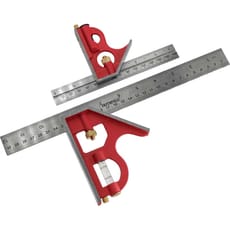
Features: Consider whether you need an integrated spirit level, scribe holder, or removable head. Two-piece sets from MyToolShed.co.uk provide both blade lengths with interchangeable heads, offering excellent versatility and value for money.
Frequently Asked Questions
How do I check if my combination square is still accurate?
Place the square against a known straight edge and draw a line along the 90-degree face. Flip the square over and align it with the same line – if the blade aligns perfectly, the square is true. Any gap indicates the head has been knocked out of square and requires replacement, as most combination squares cannot be recalibrated.
What's the difference between a combination square and a try square?
A try square has a fixed blade permanently set at 90 degrees, whilst a combination square's sliding blade offers adjustable depth gauging, height measurement, 45-degree mitre checking, and independent ruler use. The combination square is far more versatile for multiple measuring and marking tasks.
How should I maintain my combination square?
Keep the blade clean and lightly oiled to prevent rust, especially after exposure to damp site conditions. Regularly clean sawdust and metal filings from the groove in the head using a stiff brush. Never use the square as a hammer or pry bar, as impacts can knock the head out of square. Store in a dry location to protect precision edges from damage.