

Coach Bolts
Pay in 3 interest-free payments on purchases from £30-2000 with  . Learn more.
 Loading...
End of content
Error - No more pages to load
About Coach Bolts
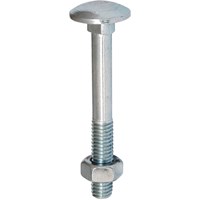
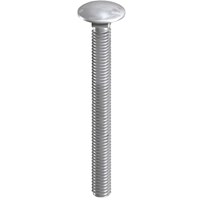
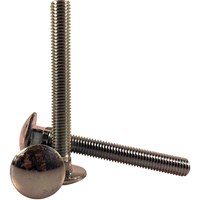
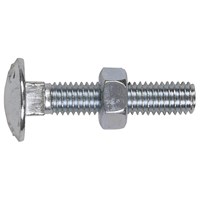
Coach bolts, also known as carriage bolts, are specialised heavy-duty fasteners designed for timber applications where a secure, tamper-resistant fixing is essential. Distinguished by their distinctive rounded mushroom head and square shoulder section beneath, these fasteners provide a self-locking mechanism that prevents rotation during tightening. MyToolShed.co.uk stocks coach bolts from trusted brands including TIMCO, Sealey, and Sirius, available in both zinc plated and stainless steel finishes to suit various applications.
The square shoulder section is the defining feature that sets coach bolts apart from standard bolts—it bites into timber or softer materials, allowing single-sided tightening without the need to hold the bolt head. Available in various sizes and manufactured to DIN 603 standards, coach bolts are supplied with matching nuts for convenience. Whether you need corrosion-resistant stainless steel options for outdoor projects or economical zinc plated versions for interior work, MyToolShed.co.uk offers coach bolts suited to both professional tradespeople and DIY enthusiasts.
Applications
Coach bolts are essential fasteners across numerous trades and applications:
- Carpenters and joiners – structural timber connections, heavy-duty furniture assembly, and joinery projects
- Fencing contractors – securing fence posts, rails, and panels in domestic and agricultural settings
- Decking specialists – fastening joists, posts, and structural decking elements
- Landscapers – constructing pergolas, garden structures, retaining walls, and outdoor features
- Agricultural workers – maintaining gates, stables, barns, and field equipment
- Groundsworkers – installing play equipment, outdoor furniture, and recreational structures
- Property maintenance teams – general repairs requiring robust timber fixings
- DIY enthusiasts – building garden furniture, sheds, gates, and home improvement projects
Choosing The Right Coach Bolts
Material and Finish: Select stainless steel coach bolts for outdoor applications, coastal environments, or maximum corrosion resistance. Zinc plated options offer cost-effective protection for covered outdoor use or interior applications. Consider exposure to moisture and chemicals when selecting your finish.
Size and Length: Measure the total thickness of materials being joined and add sufficient length for the nut and washer. The bolt should protrude 10-15mm beyond the nut when fully tightened. Larger diameter bolts provide greater shear and tensile strength for structural applications.
Standards and Quality: Look for DIN 603 compliant coach bolts to ensure dimensional accuracy and consistent quality. Brands like Sealey and TIMCO manufacture to this standard, guaranteeing reliable performance and compatibility.
Quantity Requirements: Coach bolts are typically supplied with matching nuts. Consider purchasing additional washers to distribute loads and prevent damage to timber surfaces, particularly when working with softer woods.
Safety Information
Always wear safety glasses when drilling and installing coach bolts to protect against wood splinters and metal fragments. Pre-drill clearance holes to the correct size—the hole for the square shoulder should be slightly larger than the bolt diameter to prevent timber splitting, whilst the nut-side hole should match the bolt diameter exactly for proper grip. Ensure timber is adequately supported during installation to prevent movement. Avoid over-tightening, which can crush timber fibres and reduce holding power. For structural applications, always follow relevant building regulations and manufacturer guidance on loading and spacing requirements.
Frequently Asked Questions
What's the difference between coach bolts and standard bolts?
Coach bolts feature a rounded mushroom head and square shoulder section that bites into timber to prevent rotation during tightening, allowing single-sided installation. Standard bolts have hexagonal heads requiring a spanner on both ends. Coach bolts are specifically designed for timber applications where only one-sided access is practical.
Do I need to use washers with coach bolts?
Whilst coach bolts function without washers, using a washer under the nut is highly recommended, especially with softer timbers. Washers distribute the load over a larger area, prevent the nut from embedding into the material, and make future removal easier. For structural applications, washers are essential.
What size pilot hole should I drill for coach bolts?
For the head side, drill a clearance hole approximately 1-2mm larger than the bolt diameter to allow the square shoulder to seat without splitting the timber. The nut-side hole should match the bolt diameter exactly, allowing the square shoulder to grip as the bolt is driven through. Always test on scrap material first.