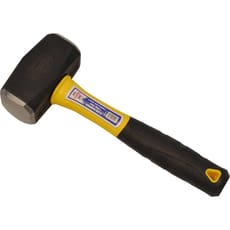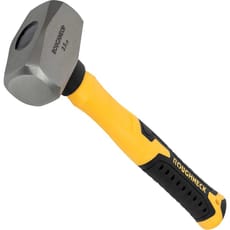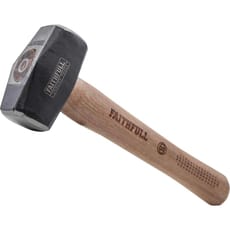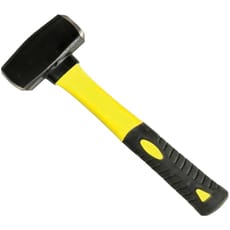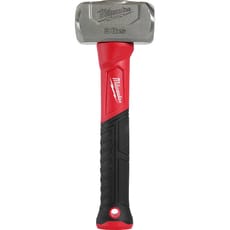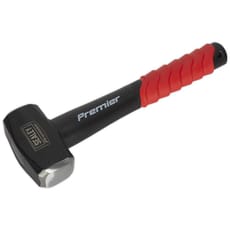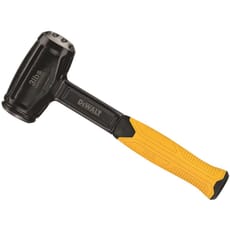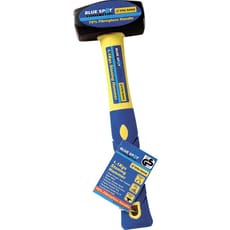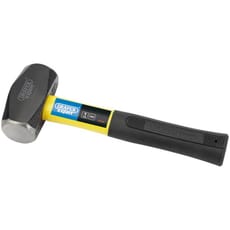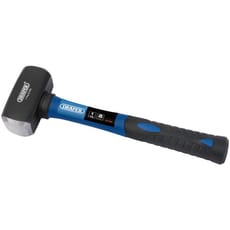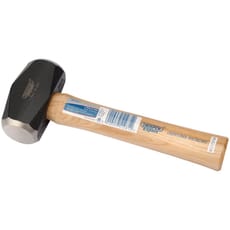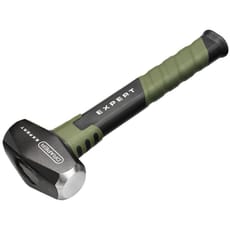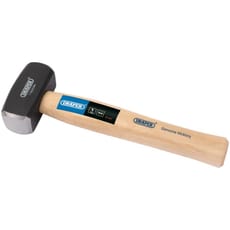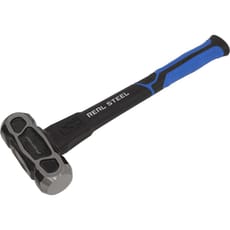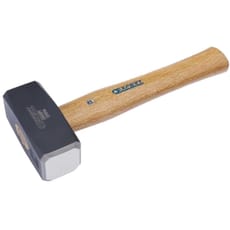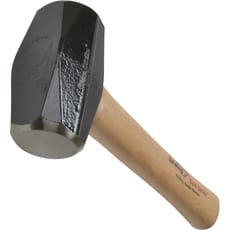

Club Hammers
Pay in 3 interest-free payments on purchases from £30-2000 with
. Learn more.
Loading...
End of content
Error - No more pages to load
About Club Hammers
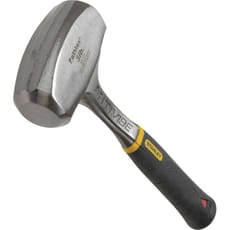
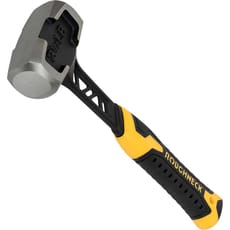
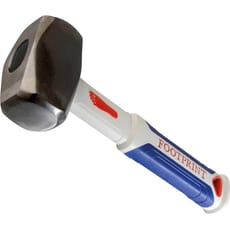
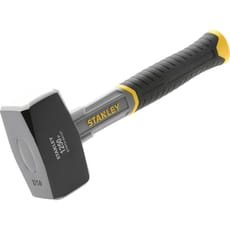
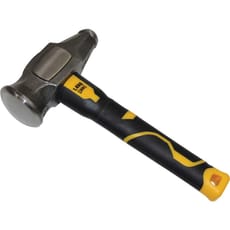
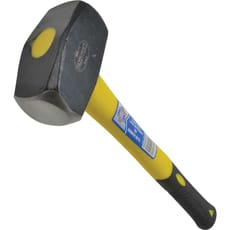
Club hammers, also known as lump hammers, are essential heavy-duty hand tools designed for demolition work, masonry, and driving cold chisels and steel pins. Characterised by their double-faced steel head and shorter handle compared to sledgehammers, club hammers typically feature head weights ranging from 1kg to 2.7kg (approximately 2lbs to 6lbs), making them the perfect middle ground between a standard claw hammer and a full-sized sledgehammer. The compact design provides excellent control whilst delivering substantial striking force for breaking bricks, concrete blocks, and driving masonry nails.
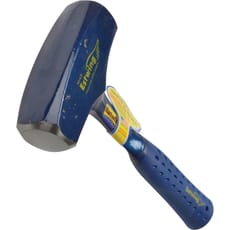
At TooledUp.com, we stock an extensive range of club hammers from industry-leading manufacturers including DeWalt, Estwing, Faithfull, Milwaukee, Roughneck, and Stanley. Our selection encompasses traditional wooden-handled models, modern fibreglass-handled versions offering enhanced vibration dampening, and specialist designs like the Estwing SureStrike Drilling Hammer. Whether you're a professional bricklayer requiring a reliable tool for daily site work or a DIY enthusiast tackling home improvement projects, we offer club hammers engineered to withstand the rigours of repeated heavy striking whilst maintaining balance and precision.
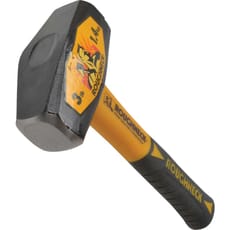
Modern club hammers incorporate advanced features such as shock-absorbing handles to reduce user fatigue, drop-forged steel heads for exceptional durability, and ergonomic grip designs for improved control and safety. Premium models like the Sealey Real Steel Unbreakable Club Hammer and Roughneck Gorilla Club Hammer represent the latest innovations in hammer technology, combining traditional striking power with contemporary materials science to deliver tools that perform reliably in the most demanding applications.
Jargon Buster
- Drop-Forged Head: A manufacturing process where heated steel is shaped using powerful hammering action under a drop forge, creating a denser, stronger head with superior grain structure compared to cast alternatives. This method produces more durable striking faces that resist chipping and deformation.
- Fibreglass Handle: A modern alternative to traditional wooden handles, fibreglass construction offers excellent shock absorption, won't rot or splinter, and typically features a core reinforced with fibreglass strands encased in a polyester resin. These handles are virtually unbreakable and provide consistent performance in all weather conditions.
- Dead Blow: Though less common in club hammers, this term refers to hammers with hollow heads filled with steel shot or sand that prevents rebound, delivering maximum energy transfer to the workpiece with minimal bounce-back.
- Strike Face: The flat, hardened surface at each end of the hammer head designed for making contact with chisels, masonry, or materials being struck. Quality club hammers feature heat-treated strike faces to prevent mushrooming and extend working life.
- Overstrike Protection: A design feature, often a collar or reinforced section where the handle meets the head, that protects the shaft from damage when strikes miss the target and hit the handle instead—particularly important for fibreglass-handled models.
- Head Weight: The mass of the striking head, typically measured in kilograms or pounds. Club hammers generally range from 1kg to 2.7kg, with heavier heads delivering more force but requiring greater control and causing increased user fatigue.
Who Uses Club Hammers?
Club hammers are indispensable tools across numerous trades and applications:
- Bricklayers and Stonemasons: For splitting bricks, blocks and stone, and driving bolsters and cold chisels during cutting operations
- Demolition Contractors: Breaking up concrete, masonry structures, and removing tiles or rendering
- Construction Workers: General site work including driving steel pins, tent pegs, and breaking ground
- Landscapers and Groundworkers: Installing edging stones, splitting paving slabs, and driving stakes into hard ground
- Plumbers and Gas Fitters: Chasing out walls for pipework installation using bolster chisels
- Electricians: Creating channels in masonry for cable runs and mounting points
- Carpenters and Joiners: Demolition work and driving large timber connectors or frame anchors
- DIY Enthusiasts: Home improvement projects involving masonry work, patio installation, and general demolition tasks
- Fencing Contractors: Driving fence posts and breaking ground in challenging soil conditions
How to Choose the Right Club Hammers
Selecting the appropriate club hammer depends on several key considerations:
Head Weight: Consider the primary application and your physical capability. A 1kg hammer suits lighter chisel work and precision tasks, whilst 2-2.7kg models provide maximum striking force for heavy demolition. If you're working all day, a lighter hammer reduces fatigue; for occasional use requiring maximum impact, choose a heavier option.
Handle Material: Traditional wooden handles (typically ash or hickory) offer good shock absorption and are easily replaced, making them economical choices. Fibreglass handles, as featured in models from Estwing and Milwaukee, provide superior durability, won't loosen from the head, and excel in wet conditions. They're ideal for professional tradespeople requiring reliable daily performance.
Handle Length: Standard club hammers feature handles around 280-320mm long for optimal control. Longer-handled versions, such as the Faithfull Long Handle Club Hammer, provide increased leverage and striking power, useful for demolition work where maximum force is required, though they sacrifice some precision.
Brand and Build Quality: Invest in reputable manufacturers like DeWalt, Estwing, Stanley, or Roughneck for professional applications. Premium hammers feature properly heat-treated heads that resist mushrooming, secure head-to-handle connections, and ergonomic grips. Budget options suit occasional DIY use but may not withstand daily professional demands.
Grip Design: Look for hammers with textured, non-slip grips that remain secure even when wearing gloves or working in dusty conditions. Some models feature contoured handles that reduce hand strain during extended use. The Roughneck Gorilla range, for example, incorporates specific grip technologies for enhanced user comfort.
Head Design: Ensure both striking faces are properly hardened and finished. Some specialist models feature slightly crowned faces for concentrated striking force, whilst others have flat faces for broader impact distribution. Check that the head is securely fixed to the handle with appropriate wedges or bonding.
Popular Accessories
- Cold Chisels and Bolster Chisels: Essential companions for cutting brick, block, concrete and stone—available in various widths from 19mm to 100mm
- Masonry Nails and Pins: Hardened steel fasteners driven with club hammers for fixing into concrete and masonry
- Point and Flat Chisels: For breaking up concrete surfaces and removing tile adhesive
- Brick Jointers and Pointing Tools: Used alongside club hammers during bricklaying operations
- Safety Goggles and Face Shields: Critical PPE to protect against flying chips and fragments during striking operations
- Work Gloves: Anti-vibration or impact-resistant gloves reduce hand fatigue and provide blister protection
- Tool Belts and Holders: Hammer loops and holders for convenient carrying on site
- Replacement Handles: Spare wooden handles for traditional club hammers to extend tool life
- Chisel Guards: Protective mushroom caps that prevent hand injury from struck chisel heads
Safety Information
Club hammers are powerful striking tools that demand proper handling and safety precautions:
Personal Protective Equipment: Always wear appropriate eye protection—safety goggles or a face shield—when striking chisels or masonry, as chips and fragments can cause serious eye injuries. The HSE recommends impact-resistant eyewear meeting BS EN 166 standards. Wear sturdy work gloves to protect hands from blisters, improve grip, and provide some vibration dampening. Steel toe-capped boots are essential on construction sites where heavy hammers and materials pose crush hazards.
Tool Inspection: Before each use, inspect the hammer head for cracks, chips, or mushrooming of the striking face. Check that the head is securely fixed to the handle with no looseness. Wooden handles should be examined for splits, cracks, or splintering—replace damaged handles immediately as they can break during use, causing loss of control. Ensure fibreglass handles show no signs of cracking or delamination.
Proper Technique: Maintain a firm grip with both hands when appropriate, keeping fingers away from the striking zone. Stand in a stable, balanced position with feet shoulder-width apart. Focus on the target, not the hammer head, and use smooth, controlled swings rather than wild, off-balance strikes. Allow the hammer's weight to do the work—excessive force increases fatigue and reduces accuracy.
Work Area Safety: Ensure bystanders maintain a safe distance from striking operations. Be aware of what lies behind or beneath your work surface—striking through materials into services or structures can cause damage or injury. When working at height, secure the hammer with a tool lanyard to prevent drops. Never use a club hammer with a damaged or loose head, as it may detach during use and cause serious injury.
Frequently Asked Questions
What's the difference between a club hammer and a lump hammer?
These terms are interchangeable—both refer to the same tool. "Club hammer" is more commonly used in professional trades, whilst "lump hammer" is often heard in DIY contexts. Both describe a short-handled, double-faced striking hammer designed for heavy-duty work with chisels and demolition tasks.
What weight club hammer should I buy?
For general purpose work including driving chisels and light demolition, a 1.8-2kg (4lb) hammer offers the best balance of striking power and control. Lighter 1kg models suit precision work and reduce fatigue during extended use, whilst 2.5-2.7kg hammers provide maximum impact for heavy demolition but require more effort to control accurately. Consider your physical strength and intended application when choosing.
Are fibreglass handles better than wooden handles?
Fibreglass handles offer superior durability, weather resistance, and won't loosen from the head or require maintenance. They're ideal for professional daily use and wet conditions. Wooden handles provide excellent shock absorption and traditional feel, and are more economical to replace when damaged. For professional tradespeople, fibreglass models from brands like Estwing or Milwaukee represent better long-term value, whilst wooden-handled hammers suit budget-conscious DIY users.
How do I prevent the hammer head from mushrooming?
Mushrooming occurs when the striking face deforms through repeated impacts, creating dangerous sharp edges that can break off. Choose quality hammers with properly heat-treated heads from reputable manufacturers. Avoid striking hardened steel surfaces directly, and don't use the hammer as a makeshift anvil. If mushrooming occurs, carefully grind the edges back to the original profile using appropriate metalworking equipment, or replace the hammer if deformation is severe.
Can I use a club hammer with an SDS drill chisel bit?
No—never strike SDS bits, drill chisels, or power tool accessories with a club hammer. SDS chisels are designed exclusively for use with rotary hammers and combi drills that have SDS chuck systems. Striking them with a hand hammer can damage the bit, create dangerous fragments, and void warranties. For hand-striking operations, use proper cold chisels and bolsters specifically manufactured for hammer use.