
Cleaning & Sponges

Pay in 3 interest-free payments on purchases from £20-£3000 with  . Learn more.
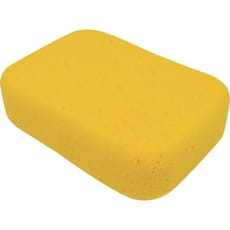
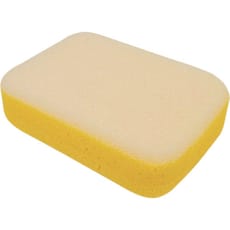
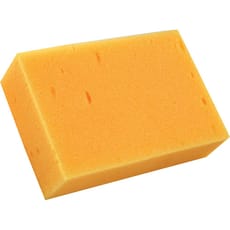
Loading...
End of content
Error - No more pages to load
About Cleaning & Sponges
Professional cleaning tools and sponges are essential equipment for tradespeople who demand high-quality surface preparation and finishing. From specialist grouting sponges designed for tile installation to dusting brushes for preparing surfaces before decoration, MyToolShed.co.uk stocks trade-grade cleaning products built to withstand the rigours of daily site use. Unlike household cleaning products, professional-grade sponges and brushes feature durable construction, optimal material composition, and ergonomic designs that deliver consistent results across demanding applications.
Quality cleaning equipment plays a crucial role in achieving professional finishes across countless trades. Whether removing grout haze from expensive porcelain tiles, dusting down joinery before applying finishes, or maintaining tools and equipment, having purpose-built cleaning products ensures proper surface preparation, protects your professional reputation, and helps avoid costly callbacks for remedial work.
Applications
Professional cleaning tools and sponges are used across numerous trades and applications:
- Tilers and Wall & Floor Fitters – removing grout haze and achieving pristine tile finishes
- Decorators and Painters – dusting surfaces before priming to ensure proper adhesion
- Kitchen and Bathroom Fitters – cleaning grouted areas and maintaining professional installations
- Joiners and Carpenters – removing sawdust from timber before finishing work
- Plasterers – cleaning tools and smoothing plaster surfaces
- General Builders – site cleaning and surface preparation for various applications
- Property Maintenance Professionals – ongoing cleaning and upkeep work
- DIY Enthusiasts – home improvement projects requiring professional-quality results
Choosing The Right Cleaning & Sponges
Selecting appropriate cleaning tools depends on several key factors:
Surface Type: Delicate surfaces like polished tiles or natural stone require softer materials, whilst robust surfaces tolerate more abrasive options. Grouting sponges must be soft enough not to scratch tiles but firm enough to effectively remove grout residue.
Application Method: Consider whether you'll work dry or wet. Dusting brushes work best dry for removing loose particles, whilst grouting sponges require water to function properly. Ensure compatibility with any cleaning solutions you'll be using.
Durability Requirements: Professional tradespeople need cleaning tools that withstand daily use. Look for sponges with reinforced structures and brushes with securely fastened bristles that won't shed during use.
Absorbency Level: High-absorbency open-cell sponges work best for grouting where you need to remove excess material and moisture. Less absorbent closed-cell sponges suit applications requiring controlled cleaning solution application.
Size and Ergonomics: Larger sponges cover more area quickly, ideal for extensive projects, whilst smaller options suit detailed work. For large-scale tasks, consider ergonomic designs that reduce hand fatigue during extended use.
Frequently Asked Questions
How often should I rinse my grouting sponge during tiling work?
Rinse your grouting sponge frequently – typically after every few wipes. A clean sponge with fresh water removes grout haze more effectively and prevents spreading grout residue around tiles. Professional tilers often use a two-bucket system: one with clean water for rinsing, and one for wringing out the sponge. Change the water regularly as it becomes cloudy with grout particles.
Can I use household cleaning sponges for professional grouting work?
Whilst possible, household sponges aren't ideal for professional tiling. Trade-grade grouting sponges available at MyToolShed.co.uk are specifically designed with the right density, pore structure, and rounded edges to remove grout without damaging tiles or pulling grout from joints. They're also more durable, maintaining their shape through extended use for professional results and efficiency.
How do I prevent my cleaning sponges from developing unpleasant odours?
Always rinse sponges thoroughly after use to remove all residues, then wring them out completely and allow them to air dry in a well-ventilated area. Don't store damp sponges in sealed containers or toolboxes. For sponges used frequently, consider having multiple sponges in rotation so each has adequate drying time between uses.