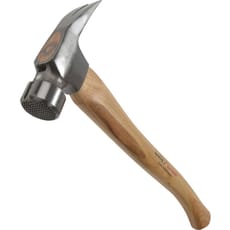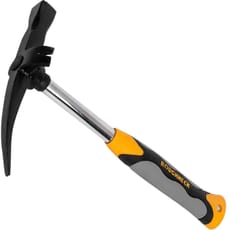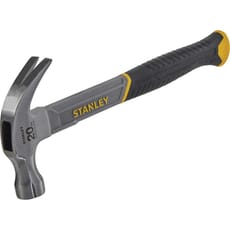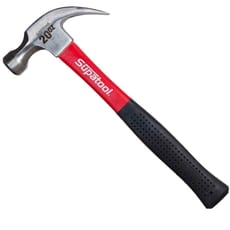

Claw Hammers

Filter Options

Pay in 3 interest-free payments on purchases from £30-2000 with PayPal Pay in 3. Learn more.
Showing 63 results

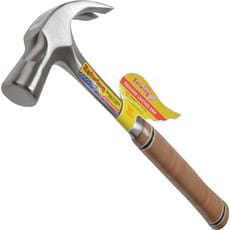
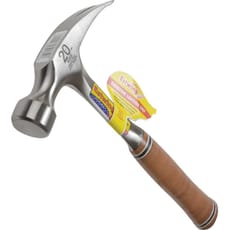
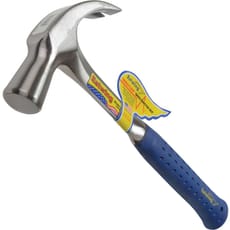
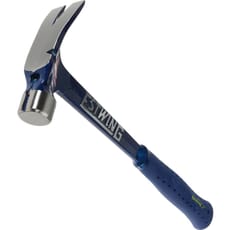
Estwing Curved Claw Hammer

3 types from £52.95

in stock

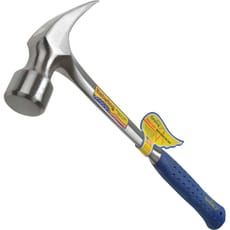
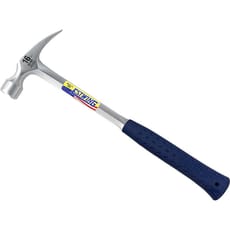
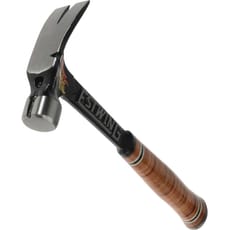
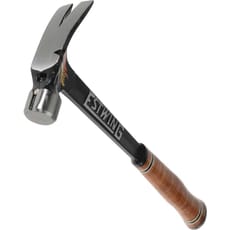
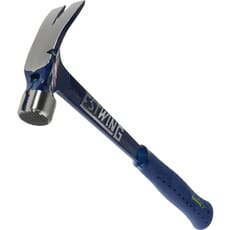
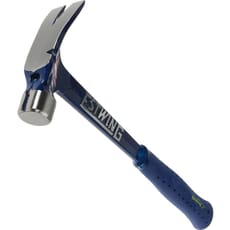
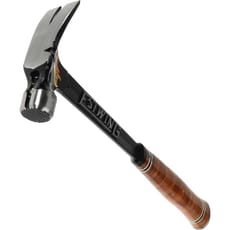
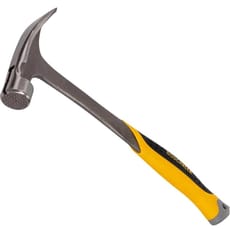
Estwing Straight Claw Framing Hammer

5 types from £59.95

in stock

Estwing Curved Claw Hammer

3 types from £40.95

in stock

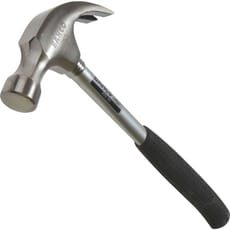
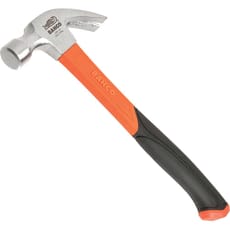
Bahco 429-16 Claw Hammer Steel Handle

2 types from £9.99

in stock

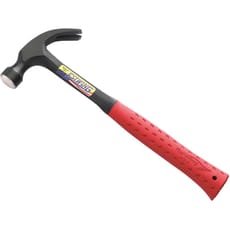
Roughneck Fibreglass Shaft Curved Claw Hammer

2 types from £11.95

in stock

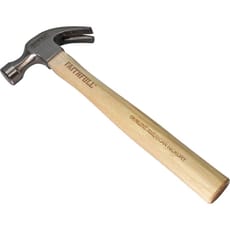
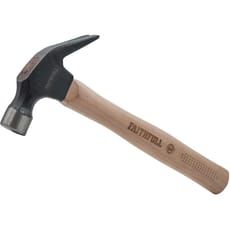
Faithfull Claw Hammer

3 types from £11.95

in stock

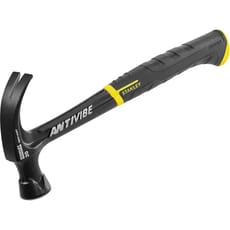
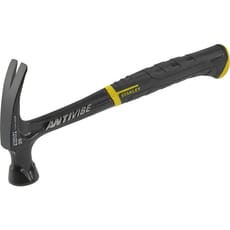
Stanley FatMax Antivibe Claw Hammer

2 types from £35.95

in stock

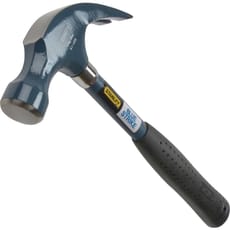
Stanley Blue Strike Claw Hammer

2 types from £15.95

in stock

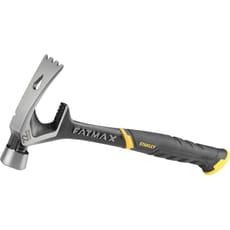
Stanley FatMax Antivibe Rip Claw Hammer

2 types from £35.95

in stock

Roughneck Claw Hammer

£15.95

in stock

Estwing Straight Claw Hammer

2 types from £48.95

in stock

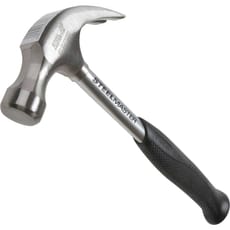
Stanley Steelmaster Claw Hammer

2 types from £18.95

in stock

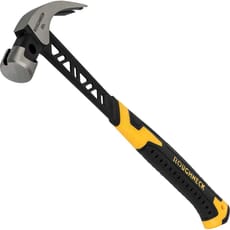
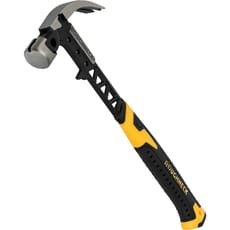
Roughneck Gorilla V-Series Claw Hammer

3 types from £23.95

in stock

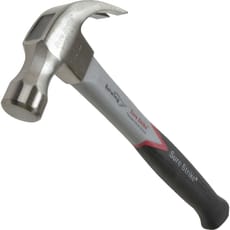
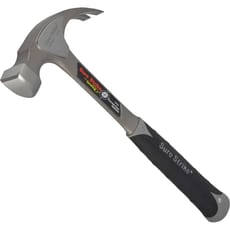
Estwing Surestrike Curved Claw Hammer

2 types from £34.95

in stock

Bahco Claw Hammer Hickory Handle

2 types from £18.95

in stock

Estwing Straight Claw Hammer

2 types from £52.95

in stock

Faithfull Claw Hammer

2 types from £13.95

in stock

Estwing Ultra Claw Hammer

£67.95

in stock

Estwing Ultra Claw Hammer

£64.95

in stock

CK Hi Vis Claw Hammer

£9.99

in stock

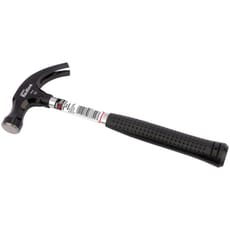
Draper Claw Hammer

£6.49

in stock

Roughneck Slaters Hammer

£19.95

in stock

End of page 1 of 2... scroll down for more...

Showing 63 results

Loading Loading...

End of content

Error - No more pages to load

About Claw Hammers

Claw hammers are perhaps the most recognisable and versatile striking tools in any tradesperson's arsenal, equally at home in a professional joiner's toolbox or tucked away in the household DIY kit. Named for the distinctive two-pronged claw on the reverse of the head, these essential tools combine driving power with extraction capability, allowing users to both install and remove nails with a single implement. Whether you're framing timber structures, installing skirting boards, or tackling demolition work, a quality claw hammer remains an indispensable piece of kit on building sites and workshops throughout the UK.

The versatility of claw hammers lies in their diverse range of designs, each tailored to specific applications. From lightweight 8oz finishing hammers perfect for delicate carpentry work, through to heavyweight 24oz framing hammers built for heavy-duty construction, there's a claw hammer engineered for every task. Modern designs incorporate advanced materials including fibreglass and steel handles for improved shock absorption, whilst traditional hickory-handled models remain popular for their natural feel and proven durability. Leading manufacturers such as Estwing, DeWalt, Bahco, and Draper offer extensive ranges covering everything from budget-friendly options for occasional use to professional-grade tools built to withstand years of daily site work.

The fundamental distinction between claw hammer types centres on the claw shape and face finish. Curved claw hammers excel at nail extraction, with their arched design providing excellent leverage for pulling fasteners cleanly. Straight claw (or rip claw) hammers prioritise prying and demolition tasks, with their straighter profile ideal for working between timber boards. Face finish is equally important: milled or checkered faces grip nail heads to prevent glancing blows but leave distinctive marks on timber, whilst smooth faces are preferred for visible finish work where surface appearance matters.

Jargon Buster

  • Claw Style: Refers to the shape of the nail-pulling prongs on the hammer's reverse. Curved claws offer superior leverage for extraction, whilst straight (rip) claws excel at prying and demolition work.
  • Milled Face: Also called waffle face or checkered face, this textured striking surface features a cross-hatched pattern that grips nail heads during driving to prevent mis-hits, though it leaves corresponding marks on the timber.
  • Drop Forged: A manufacturing process where heated steel is shaped under extreme pressure, creating a dense, durable head with excellent strength characteristics favoured by professional tradespeople.
  • Overstrike Protection: A reinforced collar or shield where the handle meets the head, designed to prevent damage if the user accidentally strikes with the handle rather than the face.
  • Shock Absorption: The handle's ability to dampen vibration and impact forces, reducing user fatigue and strain. Fibreglass and specialist rubber grips typically offer superior shock absorption compared to traditional wooden handles.
  • Face Diameter: The size of the striking surface, typically ranging from 25mm to 40mm. Larger faces distribute force over a greater area but require more accuracy, whilst smaller faces suit precision work.

Who Uses Claw Hammers?

Claw hammers serve a remarkably broad spectrum of professionals and enthusiasts:

  • Carpenters and Joiners: Essential for timber framing, first and second fix carpentry, skirting installation, and general joinery work
  • General Builders: Daily use for formwork, timber studding, batten installation, and demolition tasks on construction sites
  • Roofers: Installing roofing battens, felt work, and general roof carpentry applications
  • Shopfitters and Cabinet Makers: Lighter models for precision work, trim installation, and finishing tasks
  • Property Maintenance Teams: Versatile tool for repairs, renovations, and general maintenance work across residential and commercial properties
  • Fencing Contractors: Driving and extracting nails during fence panel installation and repair work
  • Set Builders and Theatre Technicians: Constructing temporary structures and stage sets requiring regular assembly and disassembly
  • DIY Enthusiasts and Home Improvers: General household repairs, flat-pack furniture assembly, picture hanging, and home renovation projects

How to Choose the Right Claw Hammers

Selecting the appropriate claw hammer requires careful consideration of several key factors:

Weight and Size: Hammer weight typically ranges from 8oz (227g) for delicate finish work up to 24oz (680g) or more for framing and heavy construction. A 16oz (454g) hammer represents the standard all-purpose choice suitable for most general carpentry tasks. Consider your physical capability and intended use—heavier hammers deliver more driving force but cause faster fatigue during extended use.

Claw Configuration: Choose curved claw designs if nail extraction is a priority, particularly for maintenance and renovation work. Opt for straight claw (rip hammer) variants if demolition, prying, and splitting tasks feature prominently in your work. Many professionals maintain both types to cover all eventualities.

Face Type: Milled or checkered faces suit rough carpentry and framing where surface appearance is secondary to speed and accuracy. Smooth faces are essential for finish carpentry, furniture making, and any application where visible timber must remain unmarked. Some tradespeople lightly abrade smooth faces to improve grip whilst avoiding the pronounced marking of milled versions.

Handle Material: Traditional hickory handles offer excellent shock absorption and a natural feel appreciated by many experienced chippies, though they can break under excessive side loading. Fibreglass handles provide superior durability and consistent shock dampening, making them popular for heavy site work. Steel handles, often with rubber or vinyl grips, offer maximum strength for demolition applications but transmit more vibration to the user's hand and arm.

Brand and Build Quality: Professional-grade hammers from established manufacturers like Estwing, DeWalt, Bahco, and Faithfull justify their higher price through superior materials, precise balance, and long service life. For occasional DIY use, quality mid-range options from brands such as Draper or Roughneck provide excellent value. Check for drop-forged steel heads, secure head-to-handle fixings, and comfortable, slip-resistant grips.

Ergonomics: Handle length and grip diameter significantly affect comfort and control. Test the hammer's balance if possible—the tool should feel naturally weighted without excessive head-heaviness. Rubberised or cushioned grips reduce fatigue during prolonged use, particularly important for professional tradespeople working full shifts.

Popular Accessories

  • Nail Bars and Pry Bars: Complement your claw hammer for heavy extraction and demolition work requiring additional leverage
  • Nail Punches and Sets: Essential for driving nail heads below timber surfaces during finishing work
  • Magnetic Nail Holders: Allow one-handed nail starting, particularly useful when working on ladders or in confined spaces
  • Tool Belts and Pouches: Keep your hammer readily accessible alongside other hand tools during site work
  • Replacement Handles: Extend the life of quality hammer heads with new hickory or fibreglass handles
  • Protective Caps: Safeguard polished faces during transport and storage
  • Safety Glasses: Essential PPE when striking metal against metal or working with brittle materials
  • Work Gloves: Anti-vibration gloves reduce hand strain during extended hammering sessions
  • Tool Lanyards: Prevent dropped tools when working at height, crucial for HSE compliance on many sites

Safety Information

Whilst claw hammers are relatively straightforward tools, proper use and maintenance are essential for safe operation:

Head Security: Regularly inspect the head-to-handle connection, particularly on wooden-handled models. A loose head poses serious injury risks and should be re-wedged or replaced immediately. Steel and fibreglass-handled hammers with permanently attached heads eliminate this concern but still require checking for cracks or damage.

Personal Protective Equipment: Always wear safety glasses or goggles when using claw hammers, as flying debris, nail fragments, or chips from struck surfaces can cause serious eye injuries. Consider hearing protection during extended use in enclosed spaces. Suitable work gloves protect against blisters and improve grip, though some tradespeople prefer bare hands for enhanced feel and control.

Striking Technique: Allow the hammer's weight and swing to do the work rather than forcing blows with excessive arm strength. This reduces fatigue and improves accuracy whilst minimising strain injuries. Maintain a firm but relaxed grip, and ensure clear space around your swing path. Never strike hardened steel surfaces with standard claw hammers—use appropriate striking tools designed for metalwork.

Handle Condition: Damaged handles, particularly wooden ones with splits or cracks, can fail during use or cause splinters. Fibreglass handles can develop surface damage that compromises grip. Replace compromised handles promptly or retire the tool from service. Keep handles clean and free from oil or grease that could cause slippage.

Working at Height: Use tool lanyards when working from ladders, scaffolding, or other elevated positions to prevent dropped tools injuring those below—a requirement on most commercial sites under HSE regulations. Ensure hammers are properly secured in tool belts or pouches when not in active use.

Frequently Asked Questions

What's the difference between a claw hammer and a rip hammer?

Whilst the terms are sometimes used interchangeably, rip hammers specifically feature straight claws designed for prying apart timber and demolition work, whereas standard claw hammers have curved claws optimised for nail extraction. Rip hammers are generally heavier and more robust, built for rougher construction tasks. Many UK builders simply refer to straight claw versions as "rip claw hammers" to distinguish them from curved claw models.

What weight claw hammer should I choose?

For general-purpose DIY and light carpentry, a 16oz (454g) hammer provides the best balance of driving power and control. Professional carpenters often prefer 20oz models for framing work, whilst finish carpenters might opt for lighter 12-14oz hammers for delicate tasks. If you're purchasing your first hammer or building a basic toolkit, start with a quality 16oz model—it handles the widest range of applications effectively.

Are fibreglass handles better than wooden ones?

Each material offers distinct advantages. Fibreglass handles provide superior durability, consistent shock absorption, and weather resistance, making them popular for heavy site work and outdoor applications. Traditional hickory handles offer excellent natural shock dampening and a feel many experienced tradespeople prefer, though they require more careful maintenance and can break under side loading. Steel handles are strongest for demolition work but transmit more vibration. Your choice depends on intended use and personal preference.

Why do some claw hammers have textured faces?

Milled, waffle, or checkered faces feature a cross-hatched pattern that grips nail heads during striking, reducing glancing blows and helping drive nails straight—particularly valuable for inexperienced users or speed-critical framing work. However, this pattern leaves corresponding marks on timber surfaces, making smooth-faced hammers essential for any visible finish work, furniture making, or fine carpentry where surface appearance matters.

How do I maintain my claw hammer?

Keep the striking face clean and free from oil or debris that might cause nails to slip during driving. Regularly check head security, particularly on wooden-handled models, tightening or re-wedging as necessary. Wipe down handles after use to prevent moisture damage, and store hammers in dry conditions. Occasionally apply linseed oil to wooden handles to prevent drying and cracking. Inspect fibreglass and steel handles for damage, and replace any hammer showing cracks, splits, or excessive wear. With proper care, quality claw hammers from brands like Estwing or Bahco can provide decades of reliable service.

^ Top