

Chuck Keys
Pay in 3 interest-free payments on purchases from £30-2000 with  . Learn more.
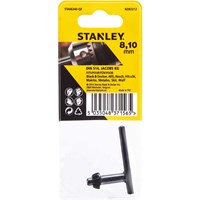
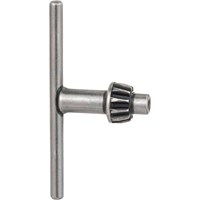
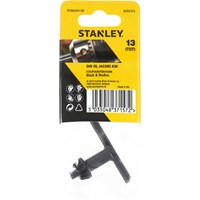
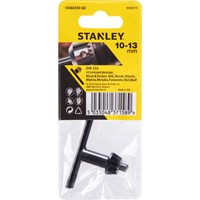
 Loading...
End of content
Error - No more pages to load
About Chuck Keys
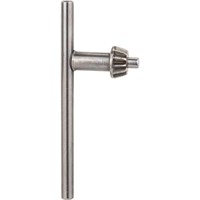
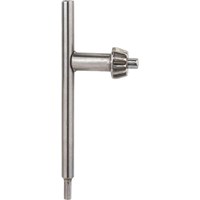
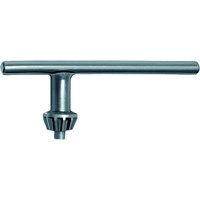
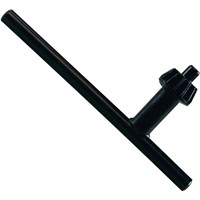
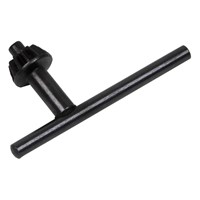
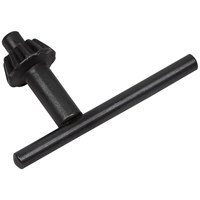
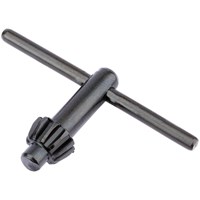
Chuck keys are essential tools for operating keyed drill chucks, allowing you to securely tighten or loosen the jaws that grip drill bits and other accessories. Whether you're replacing a lost or worn chuck key or keeping spares for different machines, having the correct chuck key ensures you can work safely and efficiently with your corded drills, pillar drills, and bench-mounted equipment. These simple yet vital tools feature a toothed pinion gear that meshes with the chuck mechanism, providing the mechanical advantage needed to achieve a firm, secure grip on your drill bits.
The chuck keys available at TooledUp.com include options from leading manufacturers such as ROHM, Bosch, Makita, Stanley, and Draper, ensuring compatibility with a wide range of professional and DIY drilling equipment. Chuck keys are designated by size codes (such as S1, S3, S10, S13, S14, and S18) which correspond to specific chuck types and capacities. Many tradespeople keep multiple chuck keys in their tool boxes, as different drills require different key sizes, and having the right key immediately to hand prevents costly downtime on site.
Modern keyed chucks remain popular in professional settings despite the rise of keyless chucks, particularly for heavy-duty applications where maximum gripping force is required. A properly sized chuck key provides superior torque transmission compared to hand-tightening, making it indispensable for demanding drilling tasks in metal, masonry, and hardwoods where bit slippage could compromise safety or work quality.
Jargon Buster
- Keyed Chuck: A drill chuck that requires a chuck key to open and close the jaws, as opposed to a keyless chuck which operates by hand. Keyed chucks typically provide stronger gripping force and are preferred for heavy-duty applications.
- Chuck Size Designation (S1, S3, S10, etc.): Standardised size codes that indicate which chuck key fits which chuck. The number corresponds to specific pinion gear dimensions and chuck capacities, ensuring proper engagement between key and chuck mechanism.
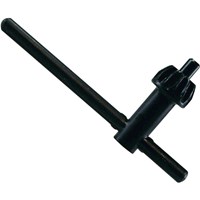
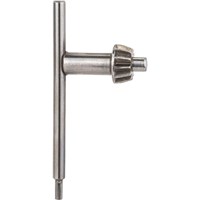
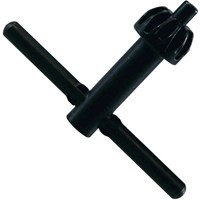
- Pinion Gear: The toothed gear wheel on the chuck key that meshes with the chuck's ring gear, converting the rotational force you apply into jaw movement that grips or releases the drill bit.
- Chuck Capacity: The range of drill bit shank diameters a chuck can accommodate, typically expressed in millimetres (e.g., 1.5-13mm or 1.5-16mm). The chuck key size must match the chuck regardless of its capacity.
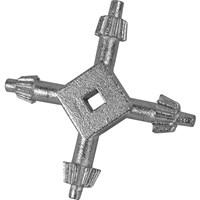
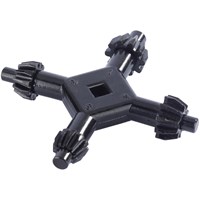
- 4-Way Chuck Key: A versatile chuck key design featuring four different sized pinion gears, allowing one tool to work with multiple chuck types. Popular with engineers and maintenance professionals who work with varied equipment.
- Arbor: The threaded shaft at the rear of the chuck that connects it to the drill spindle. While not part of the key itself, understanding arbor types helps when replacing entire chuck assemblies.
Who Uses Chuck Keys?
- General Builders and Maintenance Engineers: Using corded drills for heavy-duty drilling in construction and industrial settings
- Metalworkers and Fabricators: Operating pillar drills and bench-mounted drilling equipment in workshops and fabrication shops
- Joiners and Carpenters: Working with professional-grade corded drills for repetitive drilling tasks where consistent bit retention is critical
- Electricians: Using older corded drills for heavy-duty installations and maintaining workshop equipment
- Plumbers and Heating Engineers: Drilling through joists, masonry, and metalwork with powerful corded drills
- Vehicle Mechanics and Auto Engineers: Operating bench drills and hand-held drilling equipment in workshops and garages
- Facilities Managers: Maintaining workshop equipment and keeping spare keys for institutional drill presses and bench-mounted tools
- DIY Enthusiasts: Replacing lost keys for inherited or older drill equipment that remains perfectly serviceable
- Educational Workshops: Schools, colleges, and training centres maintaining equipment where chuck keys frequently go missing
How to Choose the Right Chuck Keys
Identify Your Chuck Size: The most critical factor is matching the chuck key size designation to your drill's chuck. Check the chuck body for stamped markings, consult your drill's manual, or measure the existing key. Common sizes include S1, S3, S10, S13, S14, and S18. Using an incorrectly sized key will damage both the key and chuck mechanism.
Match the Brand: Whilst many chuck keys follow standardised sizing, manufacturer-specific keys from Bosch, Makita, ROHM, and other brands ensure perfect fitment with their respective equipment. If you know your drill's make and model, choosing the manufacturer's genuine chuck key guarantees compatibility and proper engagement.
Consider Multi-Purpose Keys: Four-way chuck keys from brands like Draper and Faithfull offer multiple pinion sizes in one tool, making them ideal for workshop environments with varied equipment or for mobile engineers servicing different machines. These versatile keys reduce the number of individual tools you need to carry.
Assess Build Quality: Professional-grade chuck keys feature hardened steel construction that resists wear and deformation under regular use. Cheaper alternatives may strip or bend, potentially becoming stuck in the chuck mechanism. For daily professional use, invest in quality keys from established manufacturers like ROHM, Bosch, or Stanley.
Keep Spares: Chuck keys are easily misplaced on busy sites or in cluttered workshops. Many professionals keep spare keys in their tool boxes, van storage, or attached to the drill's power cable with cable ties or dedicated key holders. For critical equipment, having a backup prevents work stoppages.
Check Storage Features: Some chuck keys include integrated handles or larger grips that make them easier to locate and use. Consider whether you need a basic key or one with enhanced ergonomics for frequent daily use.
Popular Accessories
- Drill Bit Sets: HSS and masonry drill bits in various sizes to complement your keyed chuck drilling equipment
- Chuck Key Holders: Magnetic holders, spring-loaded retainers, and cable-mounted clips that keep chuck keys attached to equipment
- Replacement Chucks: Complete keyed chuck assemblies when the existing chuck mechanism becomes worn or damaged
- Drill Bit Extensions: Arbor extensions and flexible shaft extensions for accessing awkward drilling positions
- Cutting Fluid and Lubricants: Essential for metalworking applications with pillar drills and bench-mounted equipment
- Safety Equipment: Safety glasses, workshop gloves, and hearing protection for drilling operations
- Tool Storage Solutions: Stanley, DeWalt, and Makita storage systems to organise chuck keys alongside drill bits and accessories
Safety Information
Always Remove the Chuck Key: The most critical safety rule is to always remove the chuck key immediately after use and before starting the drill. A chuck key left in the chuck will become a dangerous projectile when the drill is powered on, potentially causing serious injury. Make this an automatic habit every single time.
Ensure Proper Engagement: Verify the chuck key pinion gear fully meshes with the chuck teeth before applying force. Partial engagement can cause the key to slip, potentially stripping the chuck mechanism or causing injury to your hand.
Tighten All Chuck Jaws Evenly: When using a three-jaw chuck, engage the key in all three positions and tighten evenly to centre the drill bit properly. This prevents runout and ensures safe, accurate drilling according to HSE workshop safety guidelines.
Don't Over-Tighten: Apply firm, controlled force when tightening drill bits, but excessive force can damage the chuck mechanism or make bit removal difficult. Hand-tight plus a modest turn with the chuck key is typically sufficient for most applications.
Inspect Keys Regularly: Check chuck keys for worn or damaged teeth, bent shafts, or other damage. Damaged keys should be replaced immediately as they can slip during use or fail to properly secure drill bits.
Frequently Asked Questions
How do I know which size chuck key I need?
Check the chuck body for stamped markings indicating the size code (S1, S3, S10, etc.), or consult your drill's instruction manual. If you still have the original key, the size may be marked on it. Alternatively, specialist tool suppliers can often identify the correct size from the drill's make and model number. The pinion gear must mesh properly with the chuck's ring gear for safe operation.
Are chuck keys interchangeable between brands?
Whilst chuck key sizes are generally standardised (an S3 key should fit any S3 chuck), there can be subtle variations in shaft length, handle design, and pinion specifications between manufacturers. For best results and guaranteed compatibility, use the manufacturer's own chuck key for your specific drill brand. Generic multi-purpose keys work well for occasional use but may not offer the precise fit of brand-matched keys.
Can I use a keyless chuck instead of replacing my chuck key?
In most cases, you can replace a keyed chuck with a keyless chuck assembly, provided you match the arbor thread size and drill specifications. However, keyless chucks may not provide the same gripping force as keyed chucks for heavy-duty applications, particularly in metalworking or high-torque situations. Many professionals prefer keyed chucks for demanding work where maximum bit retention is essential.
Why do chuck keys keep going missing?
Chuck keys are small, easily misplaced, and often set down during work then forgotten. Professional tradespeople combat this by keeping spare keys in their main tool kit, using magnetic or clip-on key holders attached to the drill's power cable, or storing dedicated keys with each piece of equipment. Some workshops paint chuck key handles in bright colours to make them more visible.
My chuck key teeth are worn - is it still safe to use?
No, worn chuck key teeth can slip when tightening or loosening drill bits, potentially causing injury or damaging the chuck mechanism. Worn keys also cannot properly secure drill bits, creating a safety hazard during drilling operations. Replace worn chuck keys immediately - they're inexpensive compared to the potential cost of accidents or damaged equipment.