

Chamfer & V Groove Bits
Pay in 3 interest-free payments on purchases from £30-2000 with  . Learn more.
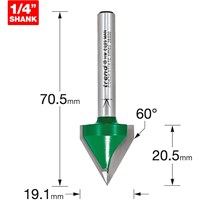
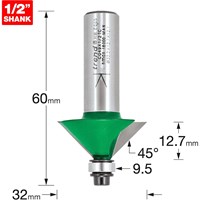


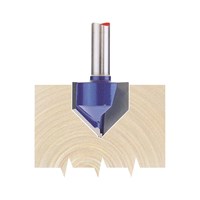
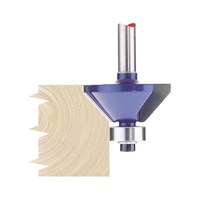



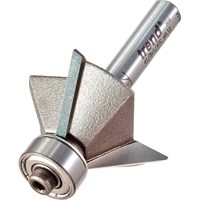
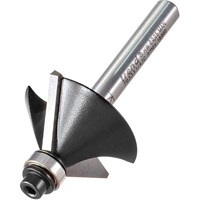
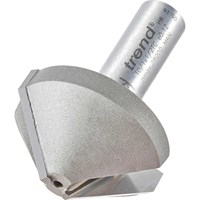

 Loading...
End of content
Error - No more pages to load
About Chamfer & V Groove Bits
Chamfer and V groove router bits are precision cutting tools designed to create decorative bevelled edges and accurate angled grooves in timber, composite panels, and sheet materials. These versatile router cutters are essential for producing professional finishing touches on joinery, furniture making, signage work, and architectural woodworking projects. Whether you're chamfering worktop edges, creating V-shaped grooves for folding aluminium composite panels, or adding decorative bevels to cabinet doors, these bits deliver clean, consistent results that distinguish quality craftsmanship.
MyToolShed.co.uk stocks a comprehensive range featuring bearing-guided chamfer bits for precision edge profiling, V groove cutters for crisp angular channels, and specialist designs including triple flute cutters for smoother finishes. Available from trusted brands like Trend, Draper, and Faithfull, these router bits feature tungsten carbide tipped (TCT) cutting edges that maintain sharpness through extended use. Most bits are compatible with standard 1/4" and 1/2" router collets, fitting popular routers from Makita, DeWalt, Bosch, and other leading manufacturers.
Applications
- Joiners and Cabinet Makers: Creating decorative edge profiles on doors, drawer fronts, worktops, and bespoke furniture pieces
- Signmakers: Preparing aluminium composite panels for folding, producing crisp V grooves at precise depths for professional signage fabrication
- Kitchen Fitters: Chamfering worktop edges, door panels, and creating decorative details on fitted installations
- Shopfitters: Producing professional finishes on retail fixtures, display units, and commercial joinery
- Carpenters: Adding finishing touches to architraves, skirting boards, window boards, and door frames
- Furniture Restorers: Replicating period chamfer profiles and bevelled edges when repairing antique pieces
- DIY Enthusiasts: Enhancing home woodworking projects with professional-looking bevelled edges and decorative grooves
Choosing The Right Chamfer & V Groove Bits
Bearing Guided vs Pin Guided: Bearing-guided bits offer superior control for edge profiling and protect finished surfaces from marking, making them ideal for visible edges. Pin-guided cutters work with templates and suit pattern work or operations away from edges.
Chamfer Angle and Size: Standard 45-degree chamfer bits suit most applications, but consider the visual effect required. Larger diameter cutters create wider bevels, whilst mini chamfer bits excel for delicate work on smaller projects.
Shank Diameter: Match the shank size to your router's collet capacity. Half-inch shanks provide better stability and reduce vibration for larger bits, whilst quarter-inch shanks suit lighter-duty applications. Never use reducing sleeves as this compromises safety.
Number of Flutes: Triple flute chamfer bits from MyToolShed.co.uk produce smoother finishes with fewer visible tool marks and allow faster feed rates. Single and double flute cutters are more economical for general-purpose work.
Brand Quality: Professional brands like Trend offer precision-ground cutting edges and superior carbide grades that maintain sharpness longer. Budget options from Draper and Faithfull suit occasional use, whilst Trend's CRAFTPRO range bridges the gap for semi-professional applications.
Safety Information
Router bits operate at extremely high rotational speeds, making proper safety precautions essential. Always wear approved eye protection and hearing defenders when routing. Ensure workpieces are securely clamped before commencing operations—never rout freehand on unsecured materials. Check maximum RPM ratings and never exceed manufacturer's recommended speeds. Perform all bit changes with the router unplugged from the mains supply, ensuring bits are fully inserted with at least three-quarters of the shank length engaged. Always rout against the bit's rotation to maintain control and prevent dangerous kickback. Take shallow passes rather than removing too much material in a single cut, particularly with larger diameter bits.
Frequently Asked Questions
What's the difference between a chamfer bit and a V groove bit?
Chamfer bits create bevelled edges along the edge of a workpiece, typically at 45 degrees, primarily for decorative edge profiles and easing sharp corners. V groove bits cut angular channels into the face of materials, producing a V-shaped profile used for signage work, creating fold lines in aluminium composite panels, or decorative detailing.
Can I use these bits in a handheld router or do I need a router table?
Both approaches work well, though each suits different applications. Bearing-guided chamfer bits excel in handheld routers for edge profiling on large panels. Router tables provide better control for smaller workpieces, repetitive operations, and when working with V groove bits requiring precise depth settings.
How do I achieve smooth chamfered edges without burn marks?
Burn marks result from excessive friction caused by slow feed rates, dull cutters, or incorrect router speed. Maintain a steady, consistent feed rate and ensure your router bit is sharp with clean cutting edges. Take multiple shallow passes rather than one heavy cut, particularly on hardwoods, and consider triple flute chamfer bits which distribute cutting forces for smoother results.