

Chainsaw Gloves
Pay in 3 interest-free payments on purchases from £30-2000 with  . Learn more.
 Loading...
End of content
Error - No more pages to load
About Chainsaw Gloves
Chainsaw gloves are essential personal protective equipment (PPE) designed specifically to protect your hands whilst operating a chainsaw. These specialist safety gloves incorporate multiple layers of cut-resistant fibres that are engineered to jam and stop a chainsaw chain upon contact, significantly reducing the risk of serious hand injuries. Unlike standard work gloves, chainsaw gloves must meet stringent European safety standards and are tested rigorously to ensure they provide adequate protection against one of the most dangerous power tools used in forestry, arboriculture, and garden maintenance.
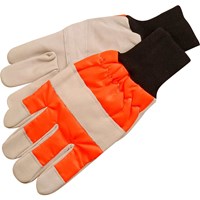
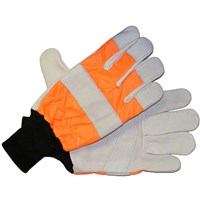
Most chainsaw gloves feature protection on the back of the left hand – the hand most at risk during typical chainsaw operation. The protective material consists of long fibres that, when struck by the moving chain, are designed to pull out and clog the drive mechanism, bringing the chain to a halt within milliseconds. This innovative design is combined with durable leather or synthetic palms that maintain excellent grip and dexterity, allowing operators to maintain safe control of their equipment whilst wearing the gloves.
Whether you're a professional tree surgeon, groundskeeper, or weekend DIY enthusiast tackling garden maintenance, investing in quality chainsaw gloves is a non-negotiable safety requirement. The HSE (Health and Safety Executive) mandates appropriate PPE for commercial chainsaw operations, and even domestic users should never operate a chainsaw without proper hand protection alongside other essential safety equipment.
Jargon Buster
- Class Rating (0, 1, 2, 3)
- Indicates the chain speed protection level measured in metres per second. Class 0 protects against 16 m/s, Class 1 against 20 m/s, Class 2 against 24 m/s, and Class 3 against 28 m/s. Higher numbers offer greater protection for more powerful chainsaws.
- EN 381
- The European standard specifically governing protective clothing for chainsaw users, including gloves. Products marked EN 381 have been independently tested and certified for chainsaw protection.
- Cut-Resistant Fibres
- Specialist long-strand materials (often synthetic fibres like polyester or aramid) that pull free and jam the chainsaw's drive sprocket when contacted by the moving chain, stopping it rapidly.
- Left-Hand Protection
- The most common configuration where protective fibres are positioned on the back of the left hand – the hand most likely to come into contact with the chain during normal operation when the saw kicks back.
- Dexterity Rating
- Indicates how well you can perform fine motor tasks whilst wearing the gloves. Chainsaw gloves must balance protective bulk with sufficient flexibility to operate controls safely.
Who Uses Chainsaw Gloves?
Chainsaw gloves are essential safety equipment for a diverse range of professionals and users:
- Tree Surgeons and Arborists – professionals working at height and ground level with chainsaws daily
- Forestry Workers – commercial timber harvesting and woodland management operatives
- Groundskeepers and Estate Managers – maintaining large properties, parks, and recreational grounds
- Landscape Gardeners – professionals undertaking tree work as part of garden maintenance contracts
- Council and Highways Maintenance Teams – clearing fallen trees and managing roadside vegetation
- Farmers and Agricultural Workers – maintaining hedgerows, copses, and farm woodlands
- DIY Enthusiasts and Homeowners – domestic users maintaining their own gardens and processing firewood
- Utility Companies – workers clearing vegetation from power lines and infrastructure
How to Choose the Right Chainsaw Gloves
Selecting appropriate chainsaw gloves requires careful consideration of several important factors to ensure both safety and practicality:
Chain Speed and Class Rating: Match the glove's class rating to your chainsaw's chain speed. Domestic electric chainsaws typically require Class 0 or 1 protection, whilst professional petrol models may need Class 2 or 3. Check your chainsaw's specifications – the chain speed is usually listed in the manual.
Fit and Comfort: Gloves must fit snugly without restricting movement. Ill-fitting gloves compromise both safety and control. Most brands offer multiple sizes – measure your hand according to the manufacturer's sizing chart. Remember that chainsaw work can be physically demanding, so breathability and comfort during extended use are important considerations.
Material Quality: Look for gloves combining cut-resistant protective layers with durable leather or reinforced synthetic palms. High-quality materials from trusted brands like ALM ensure longevity and reliable protection. The palm material should provide excellent grip even when damp from rain or perspiration.
EN 381 Certification: Always verify that gloves carry proper EN 381 certification markings. This European standard ensures the product has undergone rigorous independent testing. Non-certified gloves, regardless of claims, should never be used for chainsaw operation.
Left or Right Hand Protection: Most operators require left-hand protection as this is the hand typically positioned near the chain during standard operation. However, assess your specific working methods – some users may benefit from protection on both hands, requiring two left-hand gloves or a matched pair.
Seasonal Considerations: If you operate chainsaws year-round, consider whether you need additional pairs for different seasons. Summer work may require lighter, more breathable gloves, whilst winter operations might necessitate gloves with thermal insulation whilst maintaining protection standards.
Popular Accessories
Chainsaw gloves form part of a complete PPE system for safe chainsaw operation. Essential complementary items include:
- Chainsaw Helmets – combining head protection, face shield, and ear defenders in one integrated system
- Chainsaw Trousers or Chaps – leg protection featuring similar cut-resistant technology to protect against lower body injuries
- Safety Boots with Chainsaw Protection – steel toe caps combined with cut-resistant material across the foot and ankle
- High-Visibility Workwear – particularly important when working near roads or in low-light woodland conditions
- Chainsaw Bar Oil – proper lubrication reduces chain wear and maintains optimal performance
- Chainsaw Sharpening Kits – maintaining a sharp chain reduces kickback risk and operator fatigue
- First Aid Kits – comprehensive kits suitable for treating injuries in remote outdoor locations
- Fuel Cans and Mixing Bottles – for petrol chainsaw operators requiring proper two-stroke fuel preparation
Safety Information
Chainsaw operation presents significant risks, and proper hand protection is legally required for commercial use under HSE regulations. However, gloves alone do not constitute adequate safety measures:
Complete PPE System: Always wear a full complement of chainsaw safety equipment including helmet with visor and ear protection, chainsaw trousers or chaps, and safety boots. Hand protection is just one component of comprehensive safety provision.
Regular Inspection: Examine gloves before each use for signs of damage, wear, or contamination with oil and fuel which can degrade protective materials. Any gloves showing damage to the protective layers must be replaced immediately – they cannot be repaired.
Training Requirements: Protective equipment does not substitute for proper training. The HSE requires commercial chainsaw operators to hold relevant certification (CS30, CS31, CS38, etc.). Even domestic users should undertake training to understand safe operating procedures.
Maintenance Limitations: Never attempt to wash chainsaw gloves in ways that might damage the protective fibres. Follow manufacturer care instructions carefully. Most chainsaw gloves have a limited service life and should be replaced periodically even if not visibly damaged.
Environmental Awareness: Maintain clear working areas, ensure stable footing, and never operate chainsaws when fatigued. Even the best protective equipment cannot prevent accidents caused by poor working practices or inadequate site preparation.
Frequently Asked Questions
Do I need chainsaw gloves for domestic use?
Absolutely. Chainsaws are inherently dangerous regardless of whether you're using them professionally or domestically. Whilst the HSE legally requires commercial operators to wear appropriate PPE, domestic users face the same risks. A quality pair of certified chainsaw gloves is a small investment compared to the potential consequences of a hand injury.
Can I use the same gloves for other tasks?
Chainsaw gloves should be reserved exclusively for chainsaw operation. Using them for other tasks risks contaminating or damaging the protective fibres with oils, chemicals, or abrasion. This degradation may not be visible but could compromise their protective capability when you need it most. Keep separate general work gloves for other tasks.
How often should chainsaw gloves be replaced?
Replace gloves immediately if they show any damage to the protective material, have been struck by a chain (even if they appear intact), or show significant wear to palms and seams. Even with careful use, manufacturers typically recommend replacement after 1-2 years as protective materials can degrade over time. Professional users working daily may need more frequent replacement.
Why do most chainsaw gloves only protect the left hand?
During normal chainsaw operation, the left hand (for right-handed users) grips the front handle and is positioned closest to the chain, particularly during kickback scenarios where the bar can strike upward toward this hand. The right hand on the rear handle is further from the chain. However, users should assess their own working methods and consider full protection if their technique varies.
What class rating do I need for my chainsaw?
Check your chainsaw manual for the chain speed specification. Domestic electric chainsaws typically run at 12-16 m/s (requiring Class 0 or 1), whilst professional petrol models often exceed 20 m/s (requiring Class 1 or 2). When in doubt, choose a higher class rating for additional protection. The glove packaging should clearly state the chain speed protection level it provides.