
Chain Breakers & Chain Tools

Pay in 3 interest-free payments on purchases from £20-£3000 with  . Learn more.
 Loading...
End of content
Error - No more pages to load
About Chain Breakers & Chain Tools
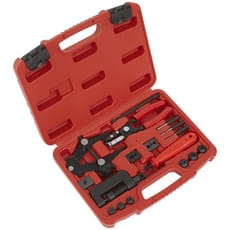
Chain breakers and chain tools are essential equipment for maintaining and repairing motorcycle, bicycle, and machinery drive chains. MyToolShed.co.uk stocks a comprehensive range of professional chain maintenance tools from leading brands including Sealey and Draper, designed to safely split, rivet, clean, and service roller chains without causing damage. Whether you're a professional motorcycle mechanic working in a busy workshop or a DIY enthusiast maintaining your own bike, having the right chain tools ensures safe, efficient servicing and extends the life of expensive drive chains.
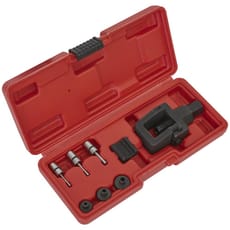
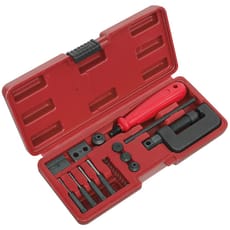
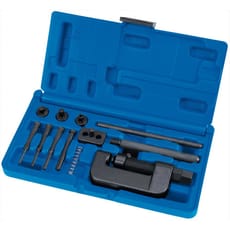
The range includes heavy-duty chain splitters and riveting tools capable of handling chains from No.25 cam chains through to 520 and 630 pitch motorcycle final drive chains. Complete maintenance kits provide everything needed for comprehensive chain servicing, including cleaning brushes, split link pliers, and riveting attachments. Professional-grade tools feature adjustable designs to accommodate different chain sizes, replaceable pressing pins for long-term precision, and robust construction suitable for daily workshop use.
Applications
- Motorcycle mechanics in dealerships, independent garages, and MOT centres
- Mobile motorcycle technicians providing on-site servicing and repairs
- Motorcycle enthusiasts and home mechanics maintaining their own bikes
- Bicycle shop technicians servicing high-performance and electric bikes
- Agricultural engineers maintaining machinery with chain drive systems
- Plant and machinery fitters working with industrial equipment
- Motorcycle racing teams requiring frequent chain changes and adjustments
- Couriers and delivery riders performing their own maintenance to reduce downtime
- Off-road and trials riders operating in harsh conditions requiring regular chain servicing
Choosing The Right Chain Breakers & Chain Tools
Consider the chain sizes you'll be working with when selecting tools. Motorcycle chains typically range from 420 to 630 pitch, so ensure your chain breaker accommodates the sizes you need. Professional mechanics should invest in heavy-duty models from established brands like Sealey or Draper that withstand daily workshop use, whilst occasional users may find standard-duty tools perfectly adequate for home maintenance.
Quality and precision are paramount. Look for features such as adjustable pressure screws, accurate pin alignment, and replaceable pressing pins that ensure clean, precise work without damaging chain plates. MyToolShed.co.uk offers both comprehensive maintenance kits providing complete chain servicing solutions and individual specialist tools for specific tasks. Complete kits typically include chain breakers, riveting attachments, cleaning brushes, and split link pliers, representing excellent value for money.
Consider portability requirements. Some chain breakers are designed for bench mounting, offering maximum stability for precision work, whilst compact designs suit mobile mechanics or riders who need portable tools. Many modern designs include mounting holes whilst remaining compact enough for toolbox storage.
Safety Information
Always thoroughly clean chains before working on them to avoid contact with harmful degreasers and old lubricant. Wear safety glasses to protect your eyes from metal fragments and chemical splashes, and use protective gloves when handling chains and chemicals.
Never attempt to break or rivet chains whilst under tension or still fitted to the vehicle. Apply pressure gradually and evenly when operating chain breakers to avoid breaking pressing pins or damaging chain plates. If excessive force is required, stop and check alignment—the tool may not be properly positioned.
Follow manufacturer instructions carefully regarding chain rivet installation. Over-riveting can weaken connections, whilst under-riveting may result in link failure during use, potentially causing serious accidents. Always inspect new connections thoroughly before use and perform final checks after the first few miles of operation.
Frequently Asked Questions
Can I use the same chain breaker for bicycle and motorcycle chains?
Whilst some adjustable chain breakers can handle both, motorcycle chains are much heavier duty than bicycle chains and require more robust tools. Motorcycle chain breakers typically handle 420 to 630 pitch chains, whereas bicycle tools are designed for narrower chains. For best results and to avoid damaging your tools, use equipment specifically designed for the type of chain you're working with.
Do I need a chain breaker if I use split links?
Split links allow chain removal without a breaker, making them convenient for regular maintenance. However, many motorcycle manufacturers don't recommend split links for high-performance applications due to safety concerns. Professional mechanics typically use properly riveted connecting links for permanent installations and reliability. A quality chain breaker remains essential for these applications and for resizing chains.
What's the difference between breaking and riveting tools?
A chain breaker pushes out retaining pins to separate chain links, whilst a riveting tool flares the ends of new connecting pins to secure them permanently. Many professional-grade tools available at MyToolShed.co.uk combine both functions in one unit with different attachments or settings. This provides versatility and excellent value for both professional workshops and home mechanics.