
Central Heating Chemicals
Pay in 3 interest-free payments on purchases from £30-2000 with  . Learn more.
 Loading...
End of content
Error - No more pages to load
About Central Heating Chemicals
Central heating chemicals are specialist maintenance products designed to keep heating systems running efficiently and reliably. This essential category includes system cleansers that remove sludge, limescale and corrosion deposits, plus inhibitors that provide long-term protection against future deterioration. Whether commissioning a new installation, carrying out routine maintenance, or troubleshooting performance issues, the right chemical treatment can significantly extend the lifespan of boilers, radiators and pipework whilst reducing energy consumption.
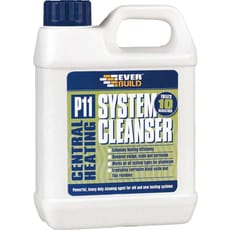
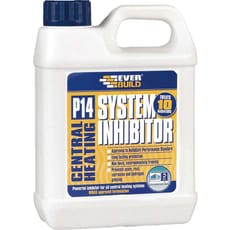
MyToolShed.co.uk stocks professional-grade central heating chemicals from Everbuild, a trusted manufacturer used by heating engineers and plumbers across the UK. Over time, heating systems accumulate iron oxide sludge (magnetite), limescale deposits and corrosion products that restrict flow and reduce efficiency. System cleansers like Everbuild P11 break down these deposits for flushing out, whilst inhibitors such as P14 form a protective layer on internal surfaces to prevent further corrosion and scale formation.
Applications
Central heating chemicals are essential for various professionals and applications:
- Heating Engineers and Gas Safe Registered Technicians: System commissioning, annual servicing and repair work
- Plumbers and Plumbing & Heating Installers: New installations and system modifications requiring inhibitor treatment
- Maintenance Contractors: Preventative maintenance on commercial and residential heating systems
- Landlords and Property Managers: Maintaining rental property heating systems to meet legal obligations
- Facilities Managers: Commercial buildings, schools and public facilities heating system maintenance
- Competent DIY Enthusiasts: Domestic system maintenance to improve efficiency and prevent costly repairs
Choosing The Right Central Heating Chemicals
System Condition: Older systems showing cold spots, poor circulation or discoloured water when bled require a thorough system cleanser first. New or recently cleaned systems need only an inhibitor for ongoing protection. Dark, murky water from radiator bleed valves indicates cleaning is necessary.
Water Hardness: Properties in hard water areas—particularly South East England, East Anglia and parts of the Midlands—require inhibitors with enhanced limescale protection. Check your local water authority's hardness rating or look for scale deposits on kettles as an indicator.
System Compatibility: Ensure products are suitable for your system materials. Modern combination boilers may contain aluminium heat exchangers, whilst older systems typically feature all-steel construction. Quality inhibitors protect mixed-metal systems safely.
System Volume: Calculate your system's capacity to determine correct dosing quantities. A typical three-bedroom house has a system volume of 80-120 litres. Product packaging from MyToolShed.co.uk provides clear dosing instructions.
Safety Information
Always wear chemical-resistant gloves and eye protection when handling concentrated products. Ensure adequate ventilation, particularly in confined spaces. Professional users must conduct COSHH assessments before use and familiarise themselves with product safety data sheets. Store chemicals in original containers away from children, pets and foodstuffs. Ensure heating systems are switched off and cooled before draining or adding chemicals. Dispose of spent cleaning chemicals according to local authority regulations—never discharge directly into watercourses.
Frequently Asked Questions
How often should I add inhibitor to my central heating system?
System inhibitor should be checked annually during boiler servicing and topped up if necessary. A complete system drain and fresh inhibitor dose is typically required every 5-10 years, or whenever significant work involves draining the system. Many boiler warranties require annual verification of adequate inhibitor presence.
What's the difference between a cleanser and an inhibitor?
A system cleanser temporarily removes existing deposits, sludge and scale—it's circulated for several hours then flushed out completely. An inhibitor remains in the system water long-term to prevent future corrosion and scale formation. Most systems benefit from both: cleansing as a deep clean, inhibitor as ongoing protection.
How do I know if my heating system needs cleaning?
Common signs include cold spots on radiators (particularly at the bottom), uneven heating between radiators, excessive boiler noise, frequent shutdowns, slow heating response, increased energy bills, or black/brown water when bleeding radiators. Systems over 5 years old without previous treatment almost certainly benefit from cleaning and fresh inhibitor.