
Cement Edgers

Pay in 3 interest-free payments on purchases from £20-£3000 with  . Learn more.
 Loading...
End of content
Error - No more pages to load
About Cement Edgers
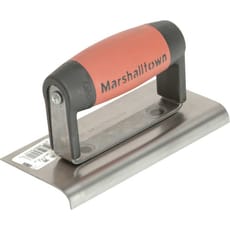
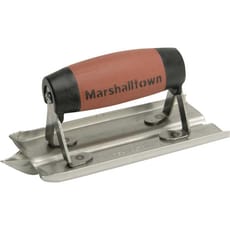
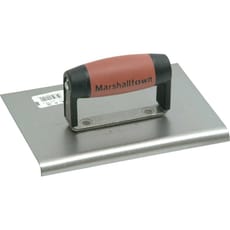
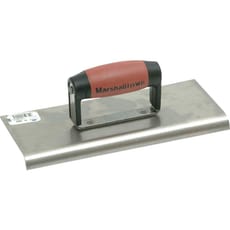
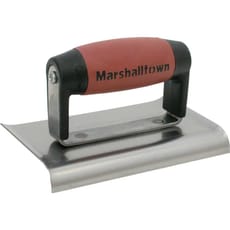
Cement edgers are specialist hand tools designed to create smooth, rounded edges on fresh concrete and cement surfaces. These essential finishing tools prevent chipping and cracking along the edges of slabs, paths, driveways, and steps whilst giving completed work a polished, professional appearance. The curved edge profile they create not only improves aesthetics but also significantly extends the lifespan of concrete work by reducing vulnerability to damage from traffic, weather, and general wear.
MyToolShed.co.uk stocks professional-grade cement edgers from Marshalltown, one of the most trusted names in concrete finishing equipment. Available in various sizes from 150mm to 460mm in length, with traditional wooden handles or ergonomic DuraSoft grips, these edgers come in both carbon steel and stainless steel construction. Whether you're working on small domestic patios or large commercial concrete pours, the right edger ensures crisp, consistent edges that mark the difference between amateur and professional finishing work.
Applications
Cement edgers are essential tools for:
- Concreters and cement finishers laying slabs, paths, and driveways
- General builders working on foundations and structural concrete
- Landscape gardeners installing patios and decorative concrete features
- Highway maintenance contractors repairing pavements and kerbs
- Civil engineering contractors on infrastructure projects
- Property maintenance teams for councils and housing associations
- DIY enthusiasts tackling shed bases, garden paths, and patio installations
- Agricultural contractors installing concrete yards and livestock housing floors
Choosing The Right Cement Edgers
Size and Length: Smaller edgers (150-180mm) offer manoeuvrability for detailed work and tight corners, whilst longer models (300-460mm) cover ground quickly on larger projects. For general-purpose work, a 300-380mm edger provides versatile coverage with good control.
Material Construction: Carbon steel edgers suit occasional use and budget-conscious buyers, whilst stainless steel models resist rust, clean more easily, and last significantly longer under professional use. If you're working daily or in wet conditions, stainless steel quickly justifies the additional investment through extended tool life.
Handle Type: Traditional wooden handles offer a classic feel and easy replacement, whilst DuraSoft ergonomic handles reduce hand fatigue during extended use and provide superior grip in wet conditions—particularly beneficial when edging large areas regularly.
Edge Radius: Standard radii around 6-10mm suit most general applications, whilst larger radii create more pronounced rounded edges for heavy-duty work or areas with significant traffic. Match the radius to your project requirements and desired aesthetic.
Safety Information
Always wear waterproof gloves rated for cement work, as wet concrete is highly alkaline and can cause serious chemical burns with prolonged skin contact. Safety boots with steel toecaps protect feet from heavy equipment, whilst knee pads prevent concrete contact if kneeling during edge work. Clean your edgers immediately after use, as dried concrete becomes extremely difficult to remove and can damage the tool's working surface. Take regular breaks to prevent musculoskeletal strain from repetitive movements, and ensure adequate ventilation when working indoors.
Frequently Asked Questions
When should I edge concrete after pouring?
Edge concrete when it has firmed sufficiently that the edger doesn't sink into the surface but remains workable—typically when the concrete holds a thumb impression about 6mm deep. This is usually 1-4 hours after pouring, depending on weather conditions, concrete mix, and temperature. Working too early causes the edge to slump, whilst waiting too long makes edging difficult and can result in cracking.
Do I need stainless steel or will carbon steel suffice?
For occasional DIY use, carbon steel represents good value. However, professional concreters should invest in stainless steel from brands like Marshalltown available at MyToolShed.co.uk. Stainless steel resists corrosion, cleans more easily, maintains its working edge longer, and outlasts several carbon steel alternatives, making it more economical for regular professional use.
What size cement edger suits general-purpose work?
A 300-380mm edger with a medium radius (6-10mm) suits most applications, providing good control whilst covering ground efficiently. Many professional concreters keep multiple sizes—smaller 150-180mm edgers for detailed work and tight spaces, and longer 460mm models for large slabs.