
Carving Gouge

Pay in 3 interest-free payments on purchases from £20-£3000 with  . Learn more.
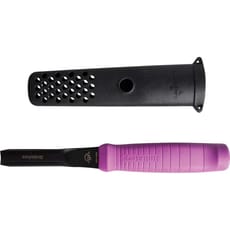
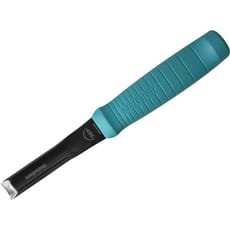
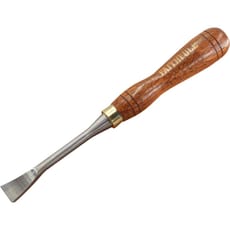
 Loading...
End of content
Error - No more pages to load
About Carving Gouge
Carving gouges are specialised hand tools featuring curved cutting edges designed for removing material and creating concave surfaces in wood. Unlike flat chisels, these distinctive curved blades allow woodworkers, sculptors and craftspeople to scoop out wood fibres efficiently, making them essential for spoon carving, bowl making, sculptural work and decorative woodworking. MyToolShed.co.uk stocks quality carving gouges from trusted brands including Hultafors and Faithfull, each featuring high-carbon steel blades that hold a sharp edge through extended use.
Available in two primary configurations – incannel (bevel on the inside) and outcannel (bevel on the outside) – carving gouges offer different cutting characteristics to suit various applications. Incannel gouges excel at hollowing work such as spoon bowls and concave surfaces, whilst outcannel gouges are ideal for relief carving and convex shaping. Whether you're a professional furniture maker adding decorative details or a hobbyist exploring traditional green wood spoon carving, having the right gouge makes the difference between laborious effort and efficient, enjoyable work.
Applications
Carving gouges are used by:
- Spoon Carvers – craftspeople specialising in traditional wooden spoon and utensil making
- Wood Sculptors – artists creating three-dimensional sculptural works in timber
- Furniture Makers – joiners and cabinet makers adding carved details to bespoke pieces
- Restoration Specialists – professionals repairing carved elements on antique furniture and architectural woodwork
- Green Woodworkers – traditional craftspeople working with freshly felled timber using hand tools
- Bowl Turners – woodturners using gouges for initial roughing and detail work
- Pattern Makers – skilled tradespeople creating wooden patterns for casting moulds
- Hobbyist Woodworkers – DIY enthusiasts exploring decorative carving and traditional woodcraft
Choosing The Right Carving Gouge
Bevel Configuration: Determine whether you need an incannel or outcannel gouge based on your primary application. For spoon carving and hollowing work, an incannel gouge is essential. For relief carving and surface shaping, choose outcannel.
Blade Material: Look for high-carbon steel blades that can be sharpened to a keen edge and maintain sharpness through extended use. Quality brands like Hultafors and Faithfull use properly heat-treated steel offering the right balance of hardness and durability.
Sweep and Width: Consider the scale of your typical projects. A medium sweep (around 6-8) offers good versatility for general carving work. Blade width should match your project size – wider gouges remove material faster on larger pieces, whilst narrow gouges suit detailed work.
Handle Comfort: Since carving often involves extended periods of detailed work, handle ergonomics matter significantly. Choose gouges with comfortable, well-shaped handles that allow good control without causing hand fatigue.
Safety Information
Carving gouges are extremely sharp cutting tools requiring careful handling and proper technique. Always carve away from your body and keep your free hand behind the cutting edge. Consider wearing cut-resistant carving gloves on your holding hand, particularly when learning. Maintain a stable working position with the workpiece properly secured using a bench hook, vice or carving clamp. Keep blades sharp – a sharp tool is safer than a dull one as it requires less force and is less likely to slip. Store carving gouges with blade guards or in tool rolls to protect both the edges and yourself. Always work in good lighting conditions where you can clearly see your cutting line and hand positions.
Frequently Asked Questions
What's the difference between an incannel and outcannel carving gouge?
An incannel gouge has its bevel ground on the inside (concave side) of the curved blade, making it ideal for hollowing operations like spoon bowls. An outcannel gouge has the bevel on the outside (convex side), better suited for relief carving and shaping convex surfaces. The bevel position fundamentally changes how the tool cuts and what applications it excels at.
What size carving gouge is best for spoon making?
For general spoon carving, an incannel gouge with a medium sweep (approximately 7-9) and blade width around 20-25mm offers excellent versatility. This size handles most standard eating and serving spoon bowls efficiently. MyToolShed.co.uk stocks both Hultafors and Faithfull incannel gouges suitable for spoon carving applications.
How often should I sharpen my carving gouge?
During active carving sessions, strop your gouge every 10-15 minutes to maintain peak sharpness. Full sharpening on stones may be needed after several hours of use or when stropping no longer restores the edge. A sharp gouge cuts effortlessly with minimal pressure – if you're working hard to make cuts, it's time to sharpen.