
Carving Chisels

Pay in 3 interest-free payments on purchases from £20-£3000 with  . Learn more.
 Loading...
End of content
Error - No more pages to load
About Carving Chisels
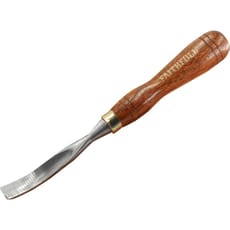
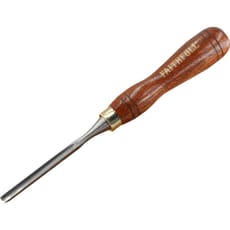
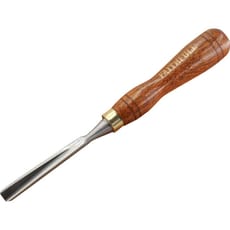
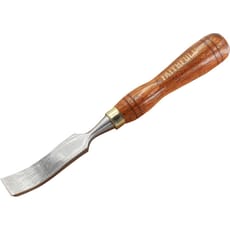
Carving chisels are specialised hand tools designed for the precise shaping, detailing and sculpting of wood. Unlike standard bench chisels used for joinery, carving chisels feature distinctive blade profiles optimised for creating intricate designs, relief work and three-dimensional forms. MyToolShed.co.uk stocks a comprehensive range from Faithfull, including curved gouges for creating concave surfaces, straight gouges for general shaping work, spoon chisels for accessing tight recesses, and V-parting tools for defining crisp lines and edges.
Quality carving chisels combine sharp, durable cutting edges manufactured from high-carbon steel with comfortable handles that allow extended use without fatigue. When properly maintained and sharpened, these essential woodworking tools provide years of reliable service for both professional furniture makers adding decorative touches and hobbyists exploring the rewarding craft of woodcarving.
Applications
- Furniture Makers: Adding decorative details, relief carving and embellishments to bespoke furniture pieces
- Woodcarvers: Creating sculptural works, ornamental pieces and traditional carvings
- Joiners and Carpenters: Crafting decorative mouldings, architectural details and custom woodwork features
- Restoration Specialists: Repairing and recreating carved elements on period furniture and historic buildings
- Luthiers: Shaping and detailing wooden musical instruments including guitars and violins
- Pattern Makers: Producing wooden patterns and prototypes for casting and manufacturing processes
- Sign Makers: Carving lettering and designs into wooden signs and nameplates
- DIY Enthusiasts: Exploring woodcarving as a creative pastime and producing decorative items
Choosing The Right Carving Chisels
Selecting appropriate carving chisels depends on your specific projects and carving style. Consider the blade profile first – straight gouges are versatile for general shaping, whilst curved gouges excel at creating flowing, organic forms. Spoon chisels are invaluable for detailed work in tight spaces, and V-parting tools are essential for defining lines and creating textural effects.
The sweep or curvature of gouge blades significantly affects their function. Shallow sweeps remove material gradually and suit gentle curves, whilst deeper sweeps cut more aggressively and create pronounced hollows. Blade width is equally important – wider blades remove material quickly for larger areas, whilst narrower blades offer precision for fine details.
Look for quality construction with high-carbon steel blades that hold a razor-sharp edge and can be resharpened to maintain optimal performance. Comfortable handles made from hardwood or impact-resistant materials provide durability and secure grip. For beginners, MyToolShed.co.uk recommends starting with a basic selection containing the most versatile profiles – a straight gouge, curved gouge and V-parting tool – before expanding your collection as skills develop.
Safety Information
Carving chisels are extremely sharp tools requiring proper handling. Always carve away from your body and keep hands behind the cutting edge. Secure workpieces firmly using vices or clamps to prevent movement during cutting. Maintain sharp tools – a sharp chisel is safer than a dull one as it requires less force and provides better control.
Wear appropriate personal protective equipment including safety glasses to protect against wood chips and dust. Consider cut-resistant gloves designed for carving work, particularly when learning. Ensure adequate lighting and comfortable working positions to maintain concentration. Store carving chisels with blade guards or in tool rolls to protect both edges and users.
Frequently Asked Questions
What's the difference between carving chisels and bench chisels?
Carving chisels feature specialised blade profiles including curves, V-shapes and spoon forms designed for sculpting and detailed work, whilst bench chisels have straight, flat blades intended for joinery tasks. Carving chisels typically have shorter bevels for better control in intricate work and handles designed to withstand varied grip positions.
How do I keep my carving chisels sharp?
Regular maintenance with sharpening stones is essential. Use a benchstone or waterstone appropriate for your blade steel, maintaining the original bevel angle (typically 15-20 degrees). For gouges, use slip stones that match the interior curve. Finish with a leather strop charged with honing compound to achieve a razor-sharp edge. Sharpen frequently with light sessions rather than waiting until tools become very dull.
What wood is best for practising carving?
Lime (basswood) is widely regarded as the best wood for learning carving techniques. It's soft enough to carve easily, has fine even grain that doesn't tear, and takes detail well. Other good practice woods include jelutong and tulipwood. Avoid very hard woods, knotty timber or woods with wild grain until you've developed your tool control skills.