
Carbon Monoxide Detectors
Pay in 3 interest-free payments on purchases from £30-2000 with  . Learn more.
 Loading...
End of content
Error - No more pages to load
About Carbon Monoxide Detectors
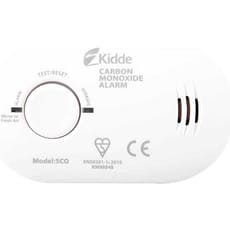
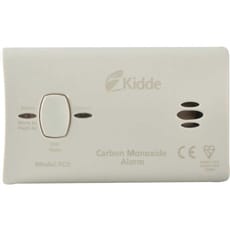
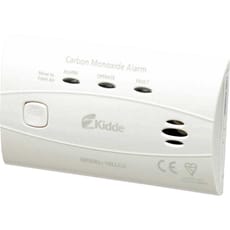
Carbon monoxide detectors are essential life-safety devices that continuously monitor air quality and provide audible warnings when dangerous levels of CO are detected. This colourless, odourless gas is produced by incomplete combustion in fuel-burning appliances, making reliable detection critical in any property with gas boilers, oil heaters, wood burners, or solid fuel appliances. MyToolShed.co.uk stocks a professional range of carbon monoxide alarms from trusted manufacturers like Kidde, offering sealed battery units with 7-year and 10-year lifespans that eliminate the hassle of battery replacement whilst providing continuous protection.
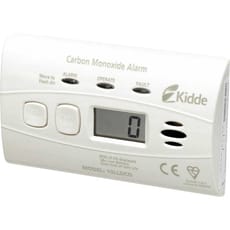
Modern CO detectors available at MyToolShed include digital display models that show real-time concentration levels in PPM (parts per million), standard audible alarms meeting EN 50291 British Standard requirements, and professional tester sprays for Gas Safe engineers to verify alarm functionality during installation and servicing work. Whether you're a heating engineer fitting detectors as part of a compliant installation, a landlord meeting legal requirements, or a homeowner protecting your family, choosing quality carbon monoxide detection is a non-negotiable safety investment.
Applications
- Gas Safe Registered Engineers – installing CO alarms alongside boiler installations and gas appliance servicing
- Heating Engineers – fitting detectors near oil-fired systems, wood burners, and biomass boilers
- Landlords and Property Managers – ensuring rental properties comply with The Smoke and Carbon Monoxide Alarm Regulations
- Electricians – installing hardwired or 240v mains-powered alarm systems in domestic and commercial properties
- Building Contractors – incorporating CO detection into new-build developments and renovation projects
- Homeowners and DIY Enthusiasts – protecting families by installing detectors near fuel-burning appliances
- Caravan and Motorhome Owners – fitting compact alarms in recreational vehicles with gas heating or cooking equipment
- Property Maintenance Professionals – replacing expired detectors during routine safety inspections
Choosing The Right Carbon Monoxide Detectors
Lifespan and Battery Type: Sealed battery units offering 10-year protection provide the best long-term value and eliminate the risk of flat batteries, ideal for rental properties and busy households. The 7-year models offer reliable protection at a lower initial cost whilst still removing battery replacement concerns.
Digital vs Standard Alarms: Digital carbon monoxide detectors display real-time CO levels and store peak readings, making them valuable for heating engineers diagnosing appliance issues. Standard audible alarms meet all regulatory requirements and provide dependable detection at an economical price point.
Standards Compliance: Always select detectors certified to EN 50291, ensuring they've been rigorously tested for UK conditions. MyToolShed stocks Kidde alarms that exceed these requirements with comprehensive warranties matching their operational life.
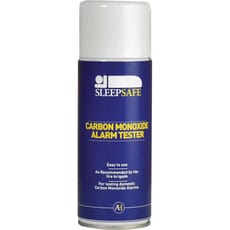
Professional Testing Equipment: Gas Safe engineers and heating professionals require CO alarm tester spray to verify detector functionality during commissioning and annual servicing, ensuring compliance and providing documentation that safety systems are operational.
Safety Information
Regular Testing: Test your carbon monoxide alarm weekly using the built-in test button. Professional installers should use approved tester spray rather than actual CO gas for verification purposes.
Emergency Response: If your CO detector sounds, immediately evacuate all occupants, open windows if safe to do so, turn off fuel-burning appliances, and call the Gas Emergency Services on 0800 111 999. Never re-enter until a qualified professional has declared the property safe.
Mandatory Replacement: Carbon monoxide detectors must be replaced after 7-10 years when the electrochemical sensor degrades. Always replace units when the end-of-life warning activates, regardless of apparent functionality.
Installation Location: Position detectors at head height (1-2 metres from floor level) and 1-3 metres from fuel-burning appliances. Avoid locations near windows, doors, or extractor fans where air currents might affect readings.
Frequently Asked Questions
Do landlords legally need carbon monoxide alarms?
Yes, under The Smoke and Carbon Monoxide Alarm (England) Regulations 2015, landlords must install CO alarms in any room containing a solid fuel burning appliance. Scotland, Wales, and Northern Ireland have similar requirements. Even where not legally mandated, CO detectors are strongly recommended wherever fuel-burning appliances are present.
What's the difference between 7-year and 10-year carbon monoxide detectors?
The primary difference is operational lifespan and warranty duration. A 10-year alarm provides three additional years of protection before replacement, offering better long-term value and reducing replacement frequency – particularly beneficial for landlords managing multiple properties. Both types use sealed lithium batteries and meet EN 50291 standards.
How do heating engineers test carbon monoxide alarms?
Professional installers use CO alarm tester spray to verify the sensor responds correctly to carbon monoxide during commissioning and servicing work. This allows Gas Safe engineers to document that alarms are functioning properly without exposing them to dangerous levels of actual CO gas, ensuring compliance with safety regulations.