
Carabiners

Pay in 3 interest-free payments on purchases from £20-£3000 with  . Learn more.




 Loading...
End of content
Error - No more pages to load
About Carabiners
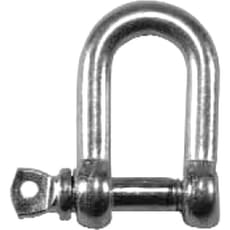
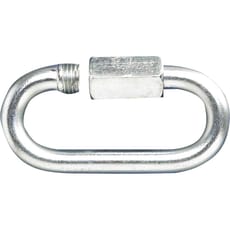
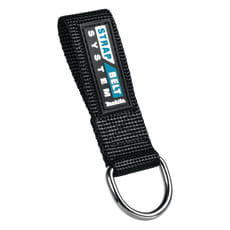
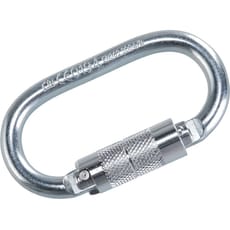
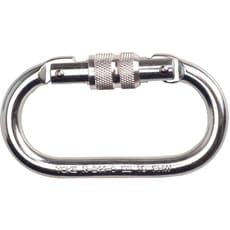
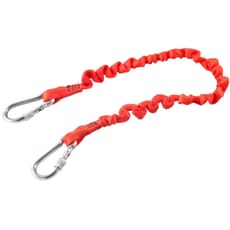
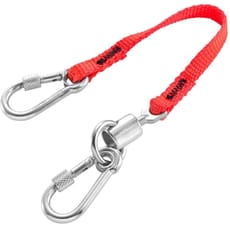
Carabiners and connecting hardware are essential safety components for tradespeople working at height, providing secure attachment points for tools, lanyards, and equipment. MyToolShed.co.uk stocks a comprehensive range including fire brigade snap hook carabiners, D-shackles, quick repair links, and specialist Safety Lock System (SLS) components designed to prevent dropped tools on construction sites. Available in stainless steel for outdoor applications or zinc-plated finishes for workshop use, our selection features professional-grade products from trusted brands including Facom, Faithfull, Portwest, and Makita.
Professional carabiners differ significantly from recreational versions, featuring higher load ratings, robust construction, and corrosion-resistant finishes suitable for demanding trade environments. From screwgate carabiners with positive locking mechanisms to twist lock designs for one-handed operation, MyToolShed.co.uk provides reliable connecting solutions that comply with UK safety standards. Whether you're assembling a complete tool tethering system or replacing worn snap hooks on existing lanyards, our range meets the requirements of HSE working at height regulations across construction sites, maintenance facilities, and industrial installations throughout the UK.
Applications
- Scaffolders and Steeplejacks: Tool tethering and equipment securing when working at height to comply with HSE regulations
- Roofers and Cladding Installers: Creating temporary anchor points and securing tools on elevated surfaces
- Electricians and Communications Engineers: Tool attachment when working from ladders, cherry pickers, or telecommunication towers
- HVAC and Maintenance Engineers: Equipment tethering when servicing installations at height or in confined spaces
- Event Riggers and Stage Technicians: Temporary rigging systems and securing lighting equipment during installations
- General Contractors and Site Managers: Ensuring site-wide compliance with working at height safety requirements
- DIY Enthusiasts: Securing items in workshops, garages, and for various household rigging applications
Choosing The Right Carabiners
Material and Finish: Consider your working environment when selecting carabiners. Stainless steel offers excellent corrosion resistance for outdoor work, marine environments, or damp conditions, whilst zinc-plated steel provides cost-effective protection for indoor workshops and construction sites.
Gate Type and Locking Mechanism: Screwgate carabiners provide secure locking for permanent attachments and anchor points. Twist lock carabiners offer quick one-handed operation whilst maintaining security against accidental opening. Standard spring-loaded snap hooks are ideal for frequent attachment and detachment throughout the working day.
Load Rating and Compliance: Always verify that carabiners meet or exceed the load requirements for your application. Check for compliance with relevant BS/EN standards and ensure all components in your tool tethering system have compatible load ratings. Never use damaged or unmarked carabiners for safety-critical applications.
System Compatibility: When building a complete Safety Lock System, choose carabiners, lanyards, and belt attachments from the same manufacturer to ensure proper compatibility. Brands like Facom offer comprehensive SLS systems with matched components designed to work together effectively.
Safety Information
Carabiners used for working at height or load-bearing applications must be regularly inspected for wear, deformation, corrosion, and damage. Any carabiner showing signs of cracking, excessive wear, bent gates, or damaged locking mechanisms should be immediately removed from service. Never modify carabiners or use them beyond their stated working load limit (WLL), and always ensure locking mechanisms are fully engaged before trusting the connection with load.
When working at height, all tool tethering systems must comply with the Work at Height Regulations 2005 and HSE guidance. Employers have a duty to prevent dropped objects that could cause injury to workers below. Visual inspections should be conducted before each use, with more thorough inspections by a competent person carried out every three to six months for equipment in regular professional use. Do not use carabiners across sharp edges or in situations where they could be side-loaded, as this dramatically reduces their strength.
Frequently Asked Questions
What's the difference between climbing carabiners and industrial carabiners?
Industrial trade carabiners are built to different standards than climbing-specific equipment, featuring more robust construction for tool tethering and general rigging applications. For working at height on construction sites, use carabiners marked with appropriate BS/EN ratings for industrial use rather than recreational climbing hardware.
How often should I inspect my carabiners?
Carabiners used for safety-critical applications should be visually inspected before each use for obvious damage, corrosion, or wear. A more thorough inspection by a competent person should be conducted every three to six months for equipment in regular professional use, with detailed records maintained for all safety-critical equipment.
What load rating do I need for tool tethering applications?
The load rating must exceed the weight of the heaviest tool you'll attach, with an appropriate safety factor. Most professional tool tethering carabiners are rated for 20kg to 50kg or more. Remember that dynamic loads created by a dropped tool jerking against the lanyard generate forces significantly higher than the static weight, so always follow manufacturer guidelines and HSE recommendations.