

C Clamps
Pay in 3 interest-free payments on purchases from £30-2000 with  . Learn more.
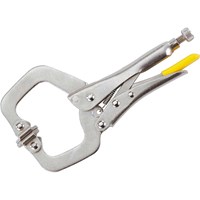
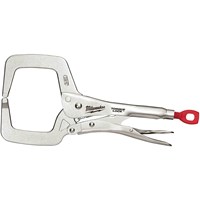
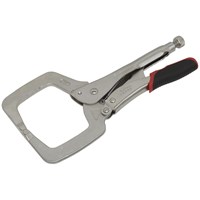
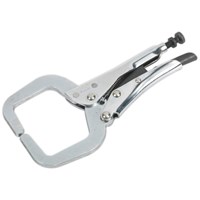
 Loading...
End of content
Error - No more pages to load
About C Clamps
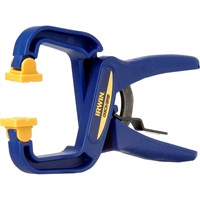
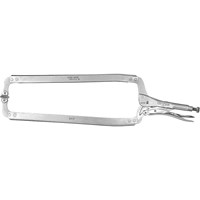
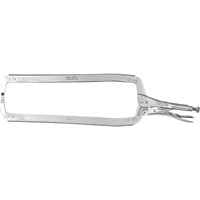
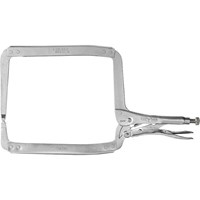
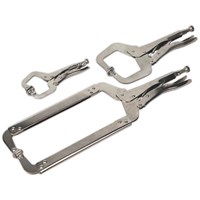
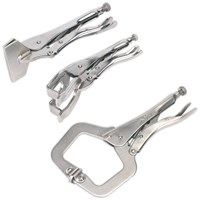
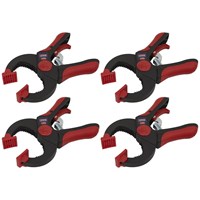
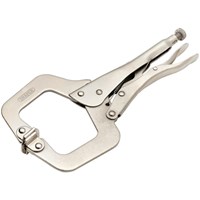
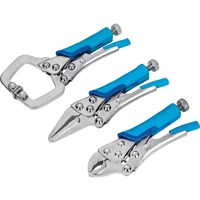
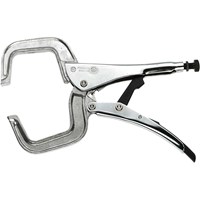
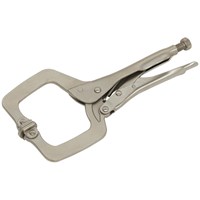
C clamps are versatile workshop essentials characterised by their distinctive C-shaped frame, designed to secure workpieces firmly during cutting, drilling, gluing, welding and assembly operations. MyToolShed.co.uk stocks two primary types to suit different applications: locking C clamps (also known as Vise-Grip style clamps) and ratchet C clamps. Locking variants feature robust all-metal construction with a toggle mechanism that provides immense holding force, making them ideal for metalworking and welding tasks. Ratchet C clamps offer quick-release mechanisms with one-handed operation, typically featuring lighter construction suited to woodworking and assembly applications.
Available from trusted brands including Vise-Grip, Milwaukee, Sealey, Stanley, Facom and Draper, our C clamp selection caters to professional tradespeople and DIY enthusiasts alike. Models range from compact mini clamps for detailed work to deep-throat designs that reach into the centre of workbenches and larger panels. Whether you need the maximum grip strength of locking pliers for fabrication work or the speed and convenience of ratchet clamps for furniture assembly, MyToolShed.co.uk offers quality options with features including swivel pads, various throat depths and multi-piece sets for comprehensive workshop coverage.
Applications
C clamps are used across numerous trades and industries:
- Welders and Metal Fabricators: Securing steel components during tack welding and fabrication operations
- Carpenters and Joiners: Holding timber during cutting, drilling, routing and gluing tasks
- Cabinet Makers: Precision positioning and holding assemblies whilst adhesives cure
- Maintenance Engineers: Temporarily securing components during repairs and servicing
- Sheet Metal Workers: Clamping thin materials without distortion using specialised welding clamp sets
- Automotive Technicians: Holding panels, exhaust components and brake lines during vehicle repairs
- DIY Enthusiasts: Countless home improvement projects, furniture repairs and craft work
- Model Makers: Precision holding for detailed and intricate assembly work
Choosing The Right C Clamps
Clamp Type: Select locking C clamps for metalworking, welding and applications requiring maximum grip strength. Choose ratchet clamps for woodworking and situations needing quick, frequent adjustments without marking delicate surfaces.
Throat Depth and Capacity: Standard clamps with 50-75mm throat depths suit most edge clamping tasks. Deep-throat models with 100mm or greater reach are essential for clamping in the centre of panels or holding wider materials away from edges.
Material Compatibility: Metal locking clamps can mark soft materials when used at full strength. Look for models with swivel pads or protective jaw covers for finished surfaces. Plastic-bodied ratchet clamps are gentler on timber but unsuitable for welding applications.
Build Quality: Professional tradespeople should invest in quality brands like Vise-Grip, Milwaukee or Facom for durability and consistent performance. Budget-friendly options from Blue Spot or Draper suit occasional DIY use.
Quantity Requirements: Many gluing and assembly operations require multiple clamps simultaneously. Multi-piece sets offer better value and ensure matching tools for symmetrical clamping pressure.
Safety Information
Over-Tightening: Excessive force can damage workpieces, particularly soft materials. Locking C clamps are extremely powerful—adjust carefully to avoid crushing or deformation.
Sudden Release: Clamps under tension can spring open suddenly if released incorrectly. Always maintain control of the release lever and keep hands clear of moving jaws.
Hot Work Considerations: Metal C clamps used in welding become extremely hot and remain so for considerable time. Allow adequate cooling and never handle immediately after welding operations. Always wear appropriate PPE including welding gloves and eye protection in accordance with HSE guidelines.
Regular Inspection: Check clamps for damage, wear or distortion before use. Bent frames, worn threads or damaged jaws reduce effectiveness and can fail under load. Replace damaged clamps rather than attempting repairs.
Frequently Asked Questions
What's the difference between locking and ratchet C clamps?
Locking C clamps use a toggle mechanism to lock with maximum force, featuring all-metal construction ideal for metalworking and welding. Ratchet C clamps offer quick-adjust mechanisms for rapid one-handed operation with typically plastic construction, better suited to woodworking where gentler clamping and speed are priorities.
Can I use C clamps for welding applications?
Metal locking C clamps are excellent for welding, providing the strong, stable grip needed for fabrication work. However, plastic ratchet clamps should never be used near welding operations as they'll melt. Look for all-steel construction from brands like Vise-Grip, Sealey or Milwaukee for welding tasks.
How many C clamps should I buy?
Most tradespeople benefit from having multiple C clamps available. Gluing operations often require 4-6 clamps simultaneously to distribute pressure evenly. Multi-piece sets from brands like Sealey or Blue Spot offer better value than individual purchases and ensure you have matching clamps for symmetrical applications.