
Bricklaying & Plastering Tools

Pay in 3 interest-free payments on purchases from £20-£3000 with  . Learn more.
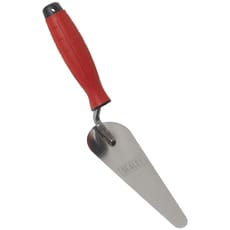
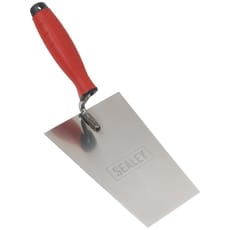
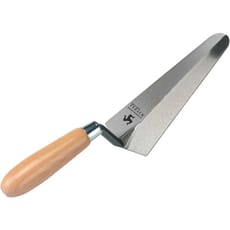
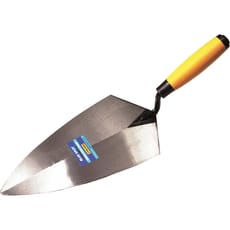
Loading...
End of content
Error - No more pages to load
About Bricklaying & Plastering Tools
Bricklaying and plastering tools represent the foundation of any professional mason's or plasterer's toolkit. This comprehensive category at MyToolShed.co.uk includes everything from traditional hand trowels and hawks to specialist equipment like plastering stilts and plasterboard lifters. Whether you're laying bricks for a new extension, applying render to external walls, or achieving smooth plaster finishes on interior surfaces, quality tools make the difference between professional results and substandard work.
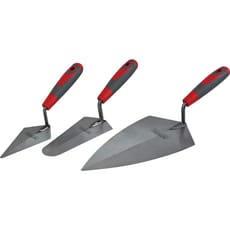
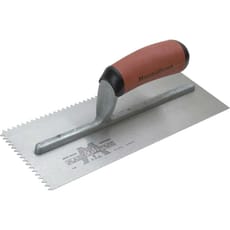
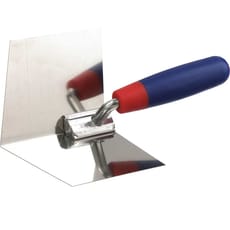
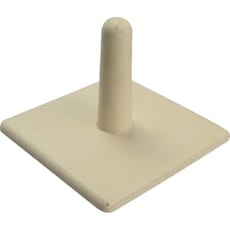
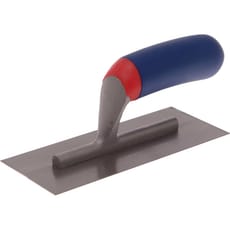
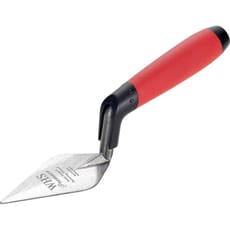
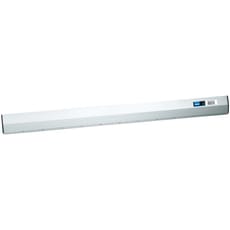
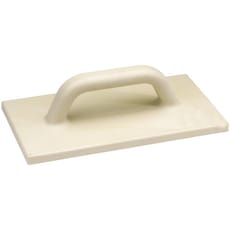
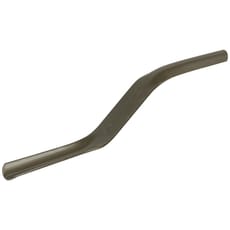
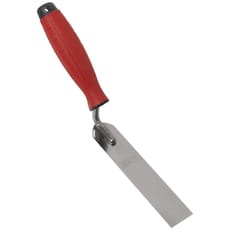
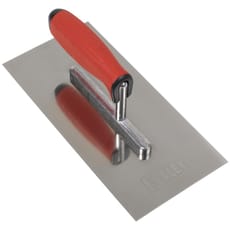
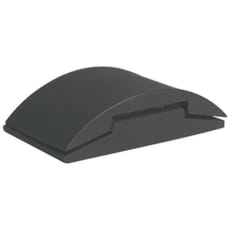
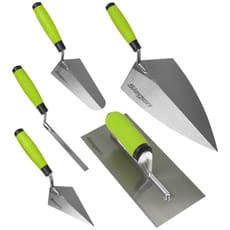
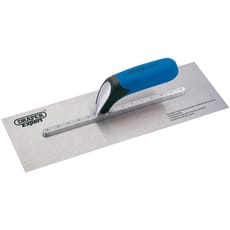
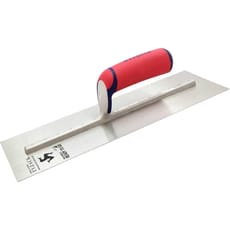
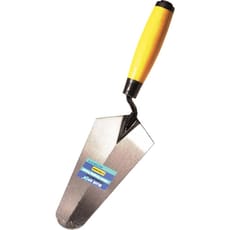
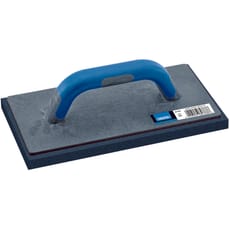
The range encompasses specialist trowels for every application—brick trowels, gauging trowels, corner trowels, and bucket trowels—alongside essential equipment including floats, darbys, feather edges, and hawks. MyToolShed stocks trusted brands like Marshalltown, Ragni, and Faithfull, ensuring durability and precision for time-served tradesmen and DIY enthusiasts alike.
Applications
Bricklaying and plastering tools are essential for a wide range of construction professionals and projects:
- Bricklayers and Masons: Laying bricks and blocks for walls, extensions, and garden structures
- Plasterers: Internal skimming, wall plastering, and ceiling work
- Renderers: Applying external render systems and textured finishes
- General Builders: All-round construction and property maintenance work
- Shopfitters: Installing stud walls and plasterboard in commercial environments
- Heritage Restoration Specialists: Listed building repairs using traditional techniques
- DIY Enthusiasts: Home improvement projects including garden walls and interior finishing
Choosing The Right Bricklaying & Plastering Tools
Material Quality: Professional-grade tools feature high-carbon or stainless steel blades that resist corrosion and maintain shape under heavy use. Stainless steel options offer superior durability and easier cleaning, particularly important for plastering work. Handles should be securely fixed and comfortable—choose between traditional wooden, soft-grip rubber, or durable plastic options.
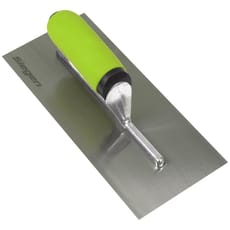
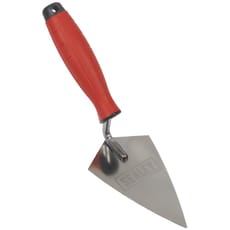
Size and Application: Brick trowels typically range from 250mm to 330mm—larger sizes move more mortar but can tire during all-day use. Plastering trowels come in widths from 280mm to 500mm, with larger sizes for experienced tradesmen covering big areas quickly. Floats vary by material: wooden floats create textured finishes, polyurethane offers versatility, sponge floats deliver smooth results, and rubber floats suit grouting work.
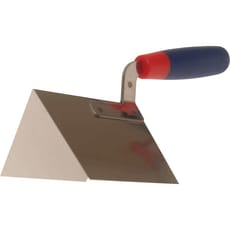
Specialist Tools: Corner trowels, edging tools, and gauging trowels are essential for detailed finishing. Hawks typically measure 330mm square for general work, though smaller (280mm) or larger (380mm) options suit different preferences. Consider your specific trade requirements and typical projects when selecting tools from MyToolShed.co.uk.
Safety Information
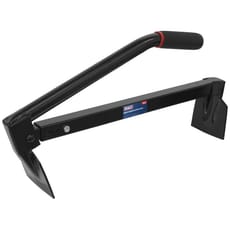
Manual Handling: Use correct lifting techniques with heavy materials—bend at the knees and keep loads close to your body. Utilise brick lifters and plasterboard lifters to reduce strain.
Protective Equipment: Cement and lime-based products are highly alkaline. Always wear appropriate gloves and safety glasses when handling mortar, plaster, or cutting materials.
Dust Control: Minimise harmful silica dust exposure through wet cutting methods and appropriate respiratory protection (FFP3 masks) when mixing or sanding.
Frequently Asked Questions
What's the difference between a brick trowel and a plastering trowel?
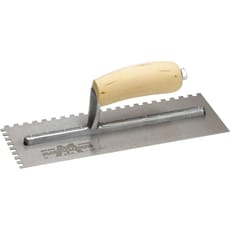
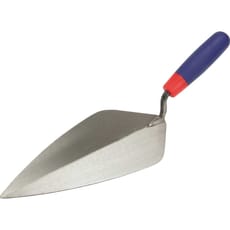
Brick trowels have thicker, stiffer blades (250-330mm) designed for picking up and spreading mortar when laying bricks. Plastering trowels feature larger, thinner, flexible blades (280-500mm) for spreading and smoothing plaster across walls. The flexibility is crucial for achieving flat, professional finishes.
How do I maintain my trowels?
Clean trowels immediately after use before material sets. Wash with clean water, dry thoroughly to prevent rust, and never leave soaking in buckets. Store flat or hanging to protect blade edges, and apply light oil coating for long-term storage. Stainless steel trowels benefit from occasional cleaning with white vinegar.
Are plastering stilts safe for beginners?
Plastering stilts require practice and proper training. Start with lower extensions (400-600mm) on level, clear surfaces. They significantly reduce fatigue when working on ceilings and upper walls, but should only be used indoors on even ground with someone else present during initial learning.