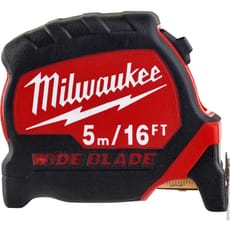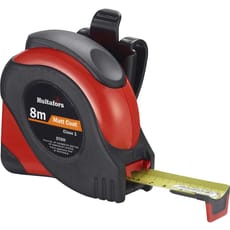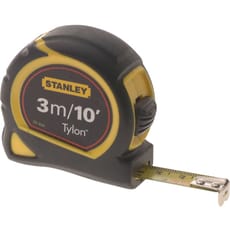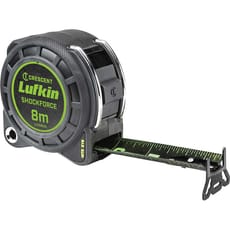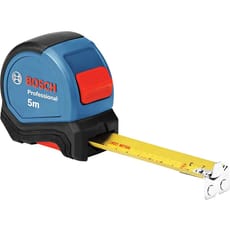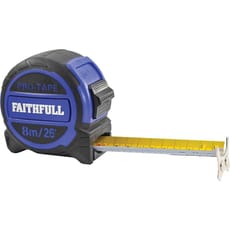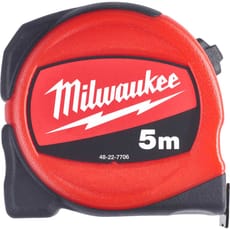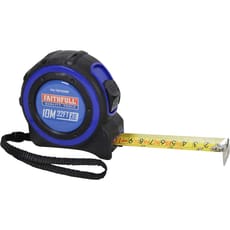
Bricklayers Tape Measure

Pay in 3 interest-free payments on purchases from £30-2000 with PayPal Pay in 3. Learn more.

Showing 61 results

Stanley FatMax Pro Autolock Tape Measure

4 types from £35.95

in stock

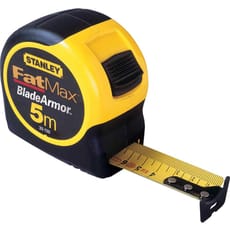
Stanley Fatmax Blade Armor Tape Measure

3 types from £18.95

in stock

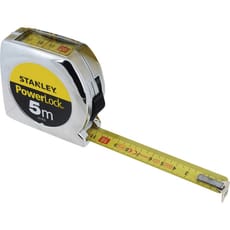
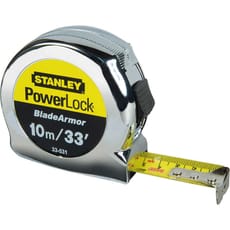
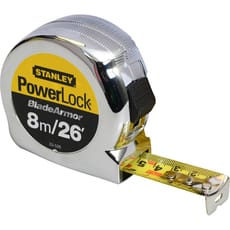
Stanley Powerlock Blade Armor Tape Measure

2 types from £20.95

in stock

Milwaukee STUD Tape Measure Generation 2

2 types from £14.99

in stock

Milwaukee Premium Wide Blade Tape Measure

2 types from £18.95

in stock

Stanley Fatmax Blade Armor Tape Measure

3 types from £24.95

in stock

Milwaukee Slimline Tape Measure

2 types from £8.95

in stock

Stanley Tylon Pocket Tape Measure

2 types from £5.49

in stock

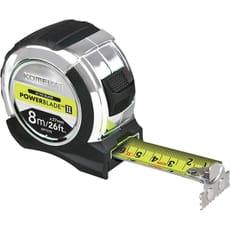
Komelon Powerblade Tape Measure

2 types from £18.95

in stock

Hultafors Big T Tape Measure

2 types from £24.95

in stock

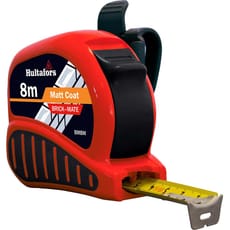
Hultafors Brick Mate Tape Measure Metric

2 types from £24.95

in stock

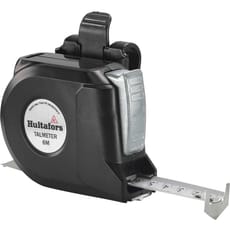
Hultafors Talmeter Marking Tape Measure

2 types from £18.95

in stock

Milwaukee Autolock Tape Measure

2 types £9.99

in stock

Faithfull Pro Tape Measure

2 types from £17.95

in stock

Hultafors Tuf Lok Tape Measure

3 types from £6.49

in stock

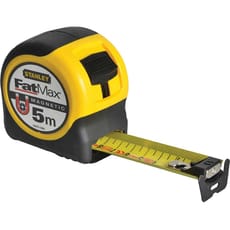
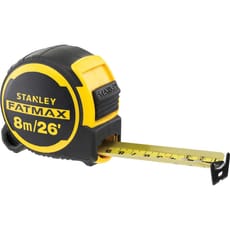
Stanley Fatmax Next Generation Tape Measure

2 types from £36.95

in stock

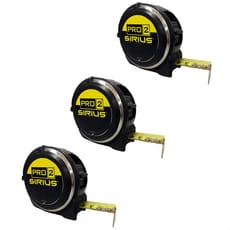
Sirius Pro-2 Tape Measure

3 types from £2.99

in stock

End of page 1 of 2... scroll down for more...

Showing 61 results

Loading Loading...

End of content

Error - No more pages to load

About Bricklayers Tape Measure

Bricklayers tape measures are specialised measuring tools designed to meet the unique demands of masonry and bricklaying work. Unlike standard tape measures, these purpose-built tools incorporate features specifically tailored for measuring brickwork, block courses, and mortar joints with precision. Many models feature dual-sided printing with brick course markings alongside standard metric measurements, allowing bricklayers to quickly calculate the number of courses needed for a given wall height without manual calculation.

The category encompasses a wide range of models from trusted manufacturers including Stanley, Milwaukee, Draper, Hultafors, and Faithfull, offering everything from basic 5-metre tapes to heavy-duty 8-metre professional models. Key features commonly found in these specialist tape measures include magnetic tips for hands-free measuring, robust belt clips for easy access on site, and reinforced cases designed to withstand the tough conditions of construction environments. Many incorporate Class 1 or Class II accuracy ratings to meet professional standards, whilst blade coatings resist wear from brick dust and mortar.

Modern bricklayers tape measures also address practical on-site challenges with innovations such as dual-read printing (right-side-up from both directions), high-visibility markings for low-light conditions, and shock-absorbing cases that protect against drops on hard surfaces. Whether you're a professional bricklayer pricing a large commercial project or a DIY enthusiast building a garden wall, selecting the right tape measure can significantly improve accuracy and efficiency whilst reducing calculation errors.

Jargon Buster

  • Brick Course Markings: Additional measurement scales printed on the tape blade showing cumulative heights for standard brick courses (typically 75mm per course including mortar joint), eliminating the need for mental arithmetic when planning wall heights.
  • Class I/II Accuracy: European accuracy classifications defined by BS EN standards. Class I offers ±1.1mm tolerance over 10 metres, whilst Class II provides ±1.5mm tolerance - both suitable for professional trade work.
  • Magnetic Tip/Hook: A magnetised end hook that adheres to metal fixtures, nails, or rebar, allowing single-handed operation and hands-free measuring when working alone on site.
  • Standout: The maximum horizontal distance a tape blade can extend before collapsing under its own weight. Professional bricklayers tape measures typically offer 2-3 metre standout for measuring between courses without assistance.
  • Dual-Sided/Reversible Printing: Measurement markings printed on both sides of the tape blade, ensuring numbers are always readable regardless of tape orientation, particularly useful when measuring vertically.
  • Blade Coating: Protective surface treatment (often nylon or polyester) that guards against abrasion from brick dust, mortar splashes, and general site debris, extending blade life significantly.

Who Uses Bricklayers Tape Measure?

  • Bricklayers and Masons: The primary users, relying on brick course markings for rapid wall height calculations and ensuring courses remain level and accurately spaced.
  • Groundworkers and Foundation Specialists: For setting out foundations, measuring DPC heights, and ensuring correct levels before bricklaying commences.
  • General Builders: Multi-trade professionals who incorporate brickwork into broader construction projects and appreciate the versatility of dual-scale measurements.
  • Landscapers: Particularly those building garden walls, raised beds, or decorative brick features where accurate course calculations are essential.
  • Building Surveyors and Quantity Surveyors: For taking accurate measurements during site surveys, valuations, and materials calculations for tender documents.
  • Architectural Technicians: When conducting site measurements and verifying as-built dimensions against drawings.
  • Serious DIY Enthusiasts: Homeowners undertaking ambitious projects such as garden walls, brick barbecues, or home extensions where professional-grade accuracy matters.
  • Construction Students and Apprentices: Learning the trade and developing skills in accurate measuring and setting out for brickwork.

How to Choose the Right Bricklayers Tape Measure

Tape Length: Consider the typical scale of your projects. A 5-metre tape suits most residential brickwork and garden projects, whilst 8-metre models are preferable for commercial work or larger walls. Remember that longer tapes offer greater standout but add weight and bulk to your tool belt.

Blade Width: Wider blades (typically 25-32mm) provide better standout and are easier to read, but may feel bulky in confined spaces. A 25mm blade offers an excellent balance between rigidity and portability for most bricklaying applications.

Accuracy Class: Professional tradespeople should opt for Class I accuracy for critical structural work and compliance with building regulations. Class II remains suitable for general purposes and DIY projects where tolerances are less stringent.

Marking Features: Dual-sided printing proves invaluable when measuring vertically up walls or in awkward positions. Brick course markings are essential if you regularly calculate wall heights - look for models showing both 65mm and 75mm courses to accommodate different brick sizes and joint thicknesses.

Durability Features: Construction sites are harsh environments. Prioritise models with reinforced cases, protective blade coatings, and shock-absorption features. Magnetic tips add considerable convenience but ensure they're strongly attached - cheap magnetic tips can detach after repeated drops.

Visibility: High-contrast markings in yellow, orange, or white backgrounds significantly improve readability in typical site lighting conditions. Some premium models from Milwaukee and Stanley feature night-vision or glow-in-the-dark printing for early morning starts or poorly lit areas.

Brand Reputation: Established manufacturers like Stanley, Milwaukee, Hultafors, and Faithfull offer proven reliability and often provide warranties. Whilst budget options from Draper, Sealey, or Advent can represent good value, consider how frequently you'll use the tool - professional tradespeople quickly recoup the investment in premium models through improved durability.

Popular Accessories

  • Tape Measure Holsters and Belt Clips: Dedicated pouches that protect your tape measure from drops and mortar whilst keeping it instantly accessible on your tool belt.
  • Spirit Levels: Essential companions to tape measures for ensuring courses remain perfectly level. Boat levels and line levels are particularly useful for bricklaying work.
  • Marking Tools: Pencils, chalk lines, and brick markers for transferring measurements to materials and marking out courses accurately.
  • Brick Tongs and Profiles: Used in conjunction with measurements to set up string lines at precise heights for maintaining course alignment.
  • Laser Distance Measurers: Electronic measuring devices that complement traditional tape measures for longer distances and difficult-to-reach measurements.
  • Builder's Line and Pins: Essential for maintaining straight courses over distance, used alongside tape measure readings to set correct heights at each end.

Safety Information

Whilst tape measures are relatively safe tools, certain precautions prevent injuries on site. The blade can cause cuts if allowed to retract rapidly - always control the return speed with thumb pressure on the blade. Tape blades can develop sharp edges through wear or damage; inspect regularly and replace damaged units. When measuring at height on scaffolding or ladders, secure the tape measure to prevent dropping it onto workers below.

Magnetic tips, whilst convenient, should never be used near sensitive electronic equipment or pacemakers. Be aware that extended tape blades can conduct electricity - never use near live electrical installations or overhead cables. Keep tape measures clean and free from mortar buildup which can affect accuracy and cause premature wear. Store in a dry location when not in use, as moisture can corrode internal springs and cause rust on blade surfaces.

Frequently Asked Questions

What's the difference between a bricklayers tape measure and a standard tape measure?
Bricklayers tape measures feature additional markings showing brick course heights (typically 75mm intervals including mortar joints), allowing rapid calculation of the number of courses needed for a given wall height. Many also include dual-sided printing and enhanced durability features suited to masonry work environments. Standard tapes show only linear measurements without these specialist features.
Why do some tape measures show two different brick course scales?
Different brick sizes and mortar joint thicknesses result in varying course heights. Standard UK bricks with 10mm joints typically measure 75mm per course, whilst 65mm blocks or bricks with thinner joints require different spacing. Dual scales accommodate both common measurements without calculation.
How often should I replace my bricklayers tape measure?
Replace your tape measure when the blade shows visible wear, markings become illegible, the return mechanism fails, or accuracy is questionable. Professional bricklayers working daily might replace annually, whilst occasional users may find quality models last several years. Always verify accuracy periodically against a known standard measurement.
Are magnetic tips strong enough for professional use?
Quality magnetic tips from reputable brands like Stanley, Milwaukee, and Hultafors provide sufficient holding power for most professional applications. They're particularly useful when working alone, allowing hands-free operation. However, avoid relying on magnetic tips for critical safety applications - they're measuring aids rather than load-bearing devices.
Can I use a bricklayers tape measure for other trades?
Absolutely. The brick course markings simply provide additional functionality without compromising standard metric measurements. Many joiners, plumbers, and general builders appreciate the dual-sided printing and robust construction of bricklayers tape measures, even if they don't regularly use the course markings.

^ Top