

Brick Lines
Pay in 3 interest-free payments on purchases from £30-2000 with  . Learn more.
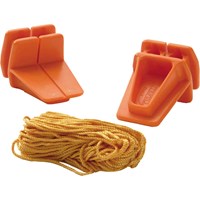
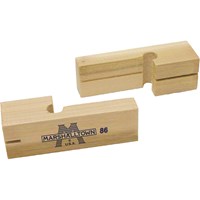
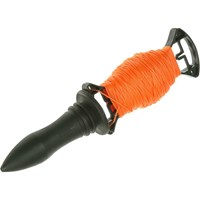
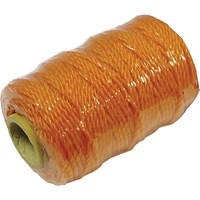
 Loading...
End of content
Error - No more pages to load
About Brick Lines
Brick lines are indispensable tools for bricklayers and builders, providing a simple yet highly effective method for maintaining perfectly straight, level courses throughout any masonry project. These tools consist of a strong, taut line stretched between two fixed points—typically corner blocks or line pins—creating a visual and physical guide that ensures each course of bricks or blocks is accurately aligned. Whether constructing garden walls, building extensions, or laying foundations, a quality brick line is fundamental to achieving professional results.
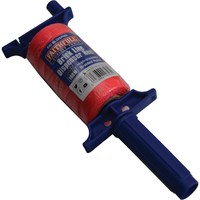
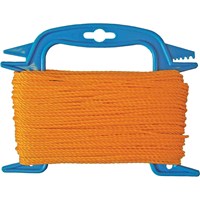
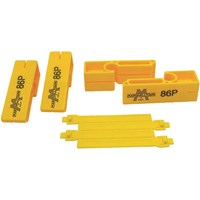
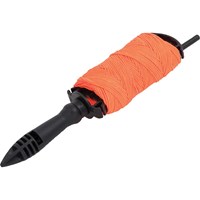
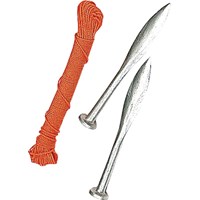
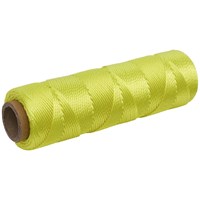
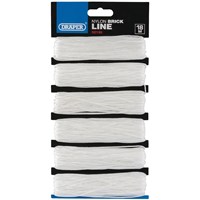
MyToolShed.co.uk stocks a comprehensive range of brick lines from trusted manufacturers including Faithfull, Draper, and Marshalltown. The selection spans basic nylon and polypropylene brick line hanks through to complete brick line and block sets with integrated reels, pins, and corner blocks. Available in various lengths, thicknesses and high-visibility colours, these products cater to both professional tradesmen working on commercial sites and DIY enthusiasts tackling home improvement projects.
Applications
Brick lines serve a wide variety of construction and landscaping professionals, including:
- Bricklayers and stonemasons – relying on brick lines daily for accurate coursing and alignment of brickwork and blockwork
- General builders – for foundation layout, masonry tasks, and ensuring structural accuracy
- Groundworkers – using ranging lines for setting out excavations, drainage runs, and site boundaries
- Landscapers – constructing garden walls, raised beds, retaining structures, and outdoor features
- Civil engineering contractors – requiring precise alignment over extended distances on large-scale projects
- Conservation specialists – working on heritage buildings where accuracy and minimal intervention are crucial
- DIY enthusiasts – homeowners building garden walls, barbecues, planters, or undertaking boundary repairs
Choosing The Right Brick Lines
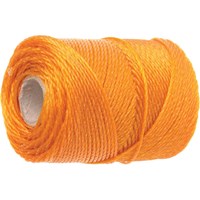
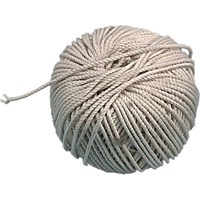
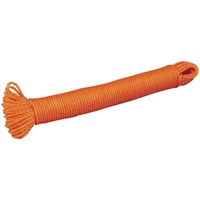
Line Material: Nylon brick lines offer excellent durability and weather resistance for extended outdoor use. Polypropylene provides good strength at an economical price point, whilst traditional twisted cotton builders line is favoured by some experienced tradespeople for its texture and handling. High-visibility options in fluorescent orange improve safety and visibility on busy sites.
Line Thickness: Thinner lines (1.5-2mm) suit standard bricklaying where the line sits flush against the brick face. Thicker ranging lines (3-4mm) are better for longer spans, ground layout work, and maintaining tension in challenging conditions.
Length Requirements: Hanks of 50-100 metres suit most domestic jobs, whilst larger spools of 200 metres or more prove more economical for professional bricklayers on extensive projects.
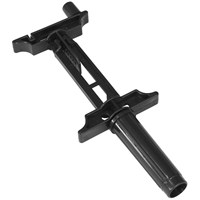
Complete Sets vs Components: Brick line and block sets from MyToolShed.co.uk provide everything needed to get started, offering excellent value for those new to bricklaying. Experienced professionals often prefer purchasing individual components to replace worn items or customise their setup.
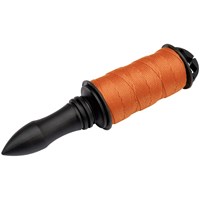
Spool or Hank: Brick lines on spools with winding mechanisms prevent tangling, deploy quickly, and stay cleaner. Simple hanks are more compact and perfectly adequate for occasional use or confined spaces.
Frequently Asked Questions
What's the difference between a brick line and a ranging line?
Brick lines are typically thinner (1.5-2mm) and designed specifically for bricklaying, sitting flush against the brick face to guide alignment. Ranging lines are heavier duty (3-4mm thick) and used for longer spans, site layout work, and general marking out tasks. Many modern products available at MyToolShed.co.uk serve both purposes effectively.
How tight should I pull a brick line?
The line should be taut enough to remain straight without sagging, but not so tight that it might snap or dislodge the corner blocks. A properly tensioned line will have minimal give when pressed lightly. For longer spans, use a line runner or intermediate pin to prevent mid-span sagging.
When should I replace my brick line?
Replace brick lines when they show fraying, have lost elasticity, are permanently kinked, or have developed weak spots. Nylon and polypropylene lines can degrade with prolonged UV exposure, becoming brittle. For professional work where accuracy is critical, consider replacing lines at the start of major projects to ensure reliability.