
Brick Jointers

Pay in 3 interest-free payments on purchases from £20-£3000 with  . Learn more.

Loading...
End of content
Error - No more pages to load
About Brick Jointers
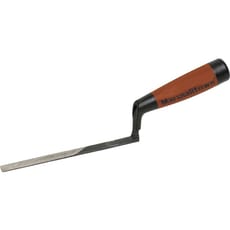
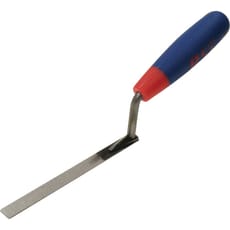
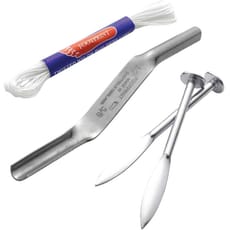
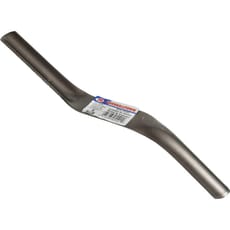
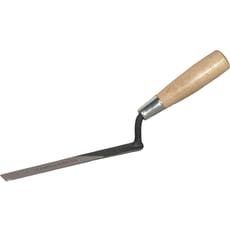
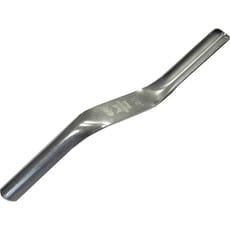
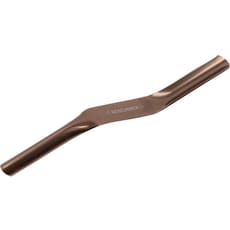
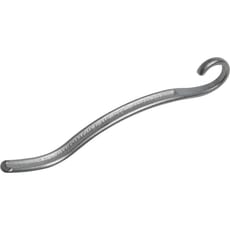
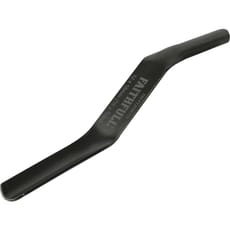
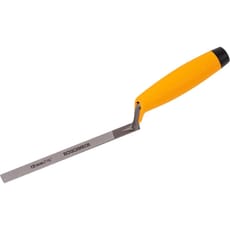
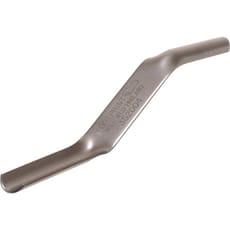
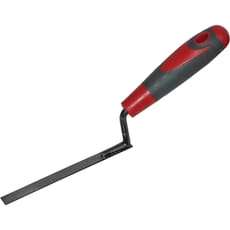
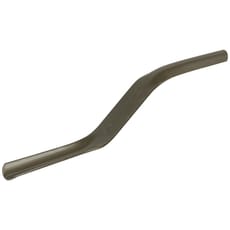
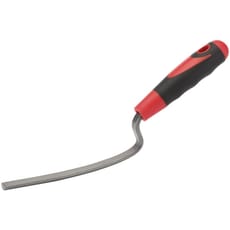
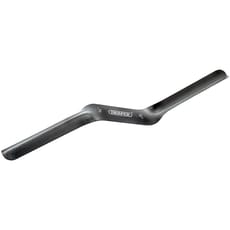
Brick jointers are specialised hand tools used by bricklayers and masons to create neat, professional-looking mortar joints between bricks, blocks and stonework. These essential tools shape and compress mortar whilst still workable, producing uniform finishes that combine aesthetic appeal with proper weatherproofing. MyToolShed.co.uk stocks a comprehensive range of brick jointers including convex jointers for bucket handle profiles, tuck pointers for narrow repointing work, and combination tools from trusted manufacturers such as Marshalltown, Faithfull, Draper, Footprint and RST.
Available in various designs with traditional wooden handles, modern soft-grip options and DuraSoft handles for extended comfort, these durable tools suit both professional tradespeople working on site daily and DIY enthusiasts tackling garden walls or home improvements. Many models feature dual-ended designs offering different profiles or widths on each end, providing versatility without carrying multiple tools. Whether working on new construction, restoration projects or maintenance work, selecting the appropriate brick jointer from MyToolShed.co.uk ensures quality results that distinguish professional brickwork.
Applications
- Bricklayers and Masons: Daily use on new builds, extensions and commercial construction projects
- Pointing Specialists: Repointing and restoration work on heritage properties and listed buildings
- General Builders: Brickwork finishing across varied building and maintenance projects
- Stonemasons: Finishing mortar joints in natural stonework and masonry applications
- Landscapers: Creating professional finishes on garden walls, boundary walls and outdoor features
- Property Maintenance Teams: Repointing and repair work on housing stock and public buildings
- DIY Enthusiasts: Home improvement projects requiring professional-looking brickwork finishes
- Conservation Specialists: Sympathetic restoration matching original joint profiles on historic buildings
Choosing The Right Brick Jointers
Select your brick jointer based on the joint profile required—convex jointers create weather-resistant bucket handle joints, whilst tuck pointers excel at narrow repointing work. Match the tool width to your mortar joint size, typically 10mm to 15mm for standard brickwork. Handle design significantly impacts comfort during extended use; soft-grip handles reduce hand fatigue in damp conditions, whilst traditional wooden handles offer classic durability. Marshalltown's DuraSoft handles combine both benefits for professional all-day use.
Consider dual-ended tools offering different profiles on each end for versatility without carrying multiple implements. Professional tradespeople benefit from established brands like Marshalltown, Faithfull and Footprint built for daily site rigours, whilst Draper and Sealey provide excellent value for occasional users. Restoration work often demands specialist tuck pointers for narrow joints, whereas new builds typically require standard convex jointers. Look for rust-resistant steel construction that withstands moisture exposure without degrading.
Safety Information
Always wear safety gloves when using brick jointers, as wet mortar contains lime that can cause skin irritation and dermatitis with prolonged exposure. Safety glasses are recommended when working overhead or in windy conditions to prevent mortar particles entering eyes. Take regular breaks during extended pointing sessions to avoid repetitive strain injuries from prolonged gripping motions. When working at height, secure brick jointers in tool belts to prevent dropping hazards. Clean tools thoroughly after each use to prevent mortar build-up and store in dry conditions to prevent rust formation.
Frequently Asked Questions
What's the difference between jointing and pointing?
Jointing finishes mortar joints in newly laid brickwork whilst the mortar is still fresh, typically within a few hours of laying. Pointing or repointing involves removing deteriorated old mortar from existing brickwork and replacing it with fresh mortar. Both processes use similar tools, but repointing requires additional preparation to rake out old joints first.
Which joint profile offers best weatherproofing?
Bucket handle joints created with convex jointers are most weather-resistant for UK conditions. The curved, compressed surface sheds water effectively and creates a tight seal against moisture penetration. Weatherstruck joints also shed rainwater well, whilst recessed or raked joints are less suitable for exposed locations as they can trap moisture and suffer frost damage.
How do I maintain my brick jointers?
Clean brick jointers immediately after use by scraping off excess mortar, then washing with clean water and a stiff brush. Dry thoroughly to prevent rust, particularly on carbon steel tools. Occasionally apply light oil to metal surfaces for long-term storage. Keep soft-grip handles clean and free from hardened mortar build-up that reduces comfort.