
Breaker Bars & Flex Handles

Pay in 3 interest-free payments on purchases from £20-£3000 with  . Learn more.
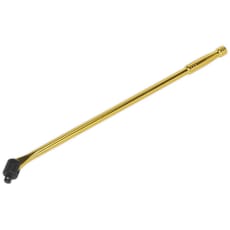
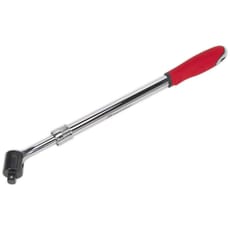
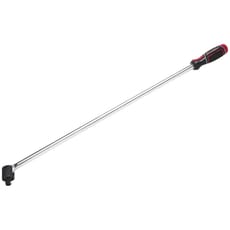
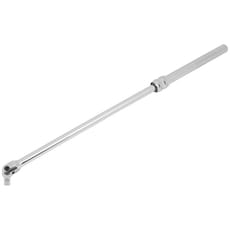
 Loading...
End of content
Error - No more pages to load
About Breaker Bars & Flex Handles
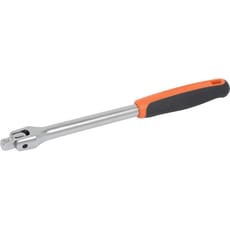
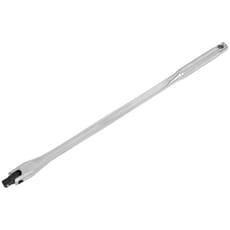
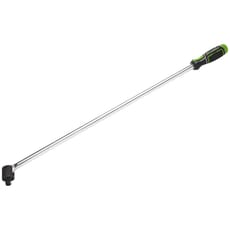
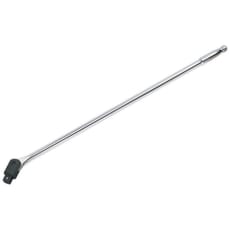
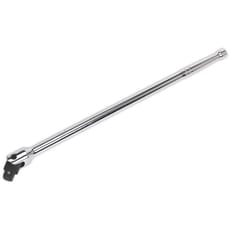
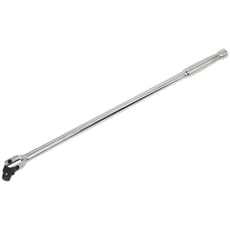
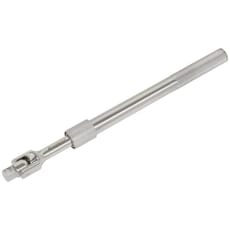
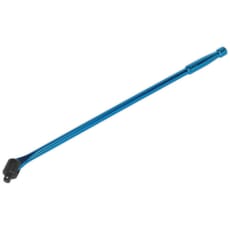
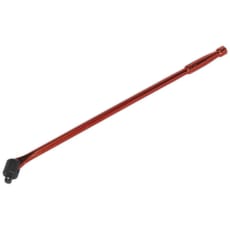
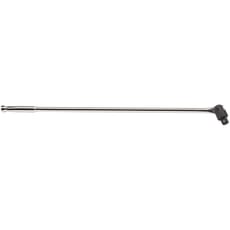
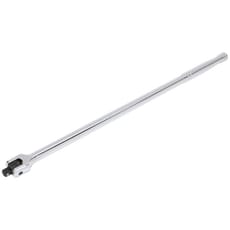
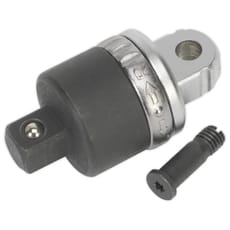
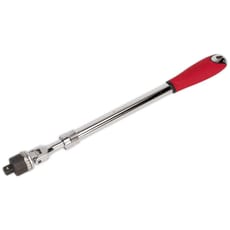
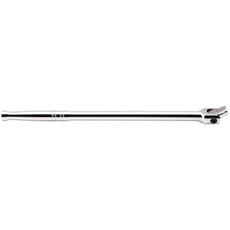
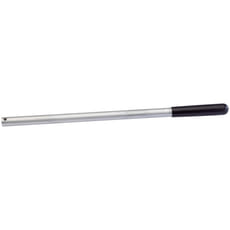
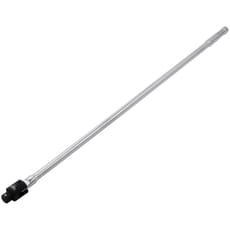
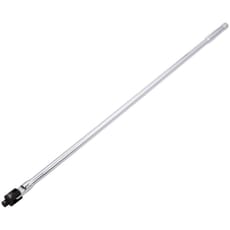
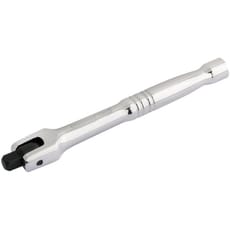
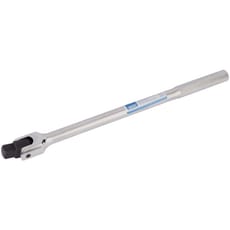
Breaker bars and flex handles are essential leverage tools designed to tackle stubborn, seized, or over-torqued fasteners that standard ratchets simply cannot budge. A breaker bar features a long, solid handle with a square drive head, providing maximum torque transfer without the internal mechanisms that make ratchets vulnerable to failure under extreme force. Flex handles incorporate a pivoting head that allows you to work at various angles whilst maintaining full leverage—ideal for accessing awkward positions in engine bays, under vehicles, or within tight machinery spaces.
MyToolShed.co.uk stocks breaker bars and flexible socket handles in all standard drive sizes, from compact 1/4" drives for lighter applications through to heavy-duty 1" drives for industrial and commercial vehicle maintenance. Available from trusted brands including Sealey, Draper, Elora, Bahco, and Facom, these tools are manufactured from chrome vanadium steel or chrome molybdenum alloy, heat-treated for exceptional strength whilst maintaining the flexibility to prevent catastrophic failure under load.
Applications
Breaker bars and flex handles are indispensable tools across numerous trades and applications:
- Motor Vehicle Technicians: Removing wheel nuts, suspension components, and seized engine bolts during routine maintenance and repair work
- Commercial Vehicle Mechanics: Tackling larger fasteners found on HGVs, buses, and agricultural machinery
- Plant Fitters and Industrial Engineers: Working with seized bolts on manufacturing equipment, conveyor systems, and heavy machinery
- Mobile Tyre Fitters: Essential for wheel changes when impact guns aren't available or practical
- Agricultural Engineers: Dealing with large, often rusted fasteners on tractors, harvesters, and farm equipment
- Marine Engineers: Removing seized fasteners affected by saltwater corrosion on boats and marine equipment
- DIY Enthusiasts: Home mechanics and classic car restorers working with older, corroded fasteners
Choosing The Right Breaker Bars & Flex Handles
Drive Size: Select a breaker bar that matches your existing socket set. The 1/2" drive is most versatile for general automotive and mechanical work, whilst 3/8" suits lighter applications and 3/4" or 1" drives are reserved for heavy commercial use.
Handle Length: Longer handles provide greater torque multiplication but require more clearance space. A 450-600mm breaker bar offers good all-round capability, whilst extending models provide flexibility with variable length—compact for storage but expandable when maximum leverage is needed.
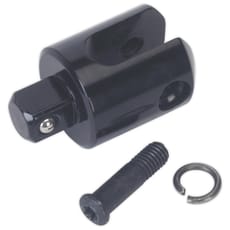
Head Design: Standard fixed-head breaker bars offer maximum strength and reliability. Swivel head designs add versatility when working at angles in confined spaces but introduce an additional pivot point that slightly reduces maximum torque capacity.
Material Quality: MyToolShed.co.uk stocks breaker bars manufactured from chrome vanadium or chrome molybdenum steel with appropriate heat treatment. Quality construction from established brands ensures tools can withstand repeated high-stress applications without bending or breaking.
Safety Information
Always wear safety glasses when using breaker bars, as sudden fastener release or tool slippage can cause injury. Position yourself to push rather than pull where possible—this provides better control if the fastener suddenly releases. Ensure stable footing and maintain balanced posture to prevent falls. Inspect breaker bars before use for cracks, bending, or worn drive heads which indicate replacement is needed. Avoid using extension pipes on handles, as this can exceed design limits and cause tool failure or injury. When working under vehicles, ensure proper support with rated axle stands and never rely solely on jacks.
Frequently Asked Questions
What's the difference between a breaker bar and a ratchet?
A breaker bar is a solid leverage tool without any ratcheting mechanism, designed specifically for breaking loose tight or seized fasteners. Ratchets contain internal pawls and springs that can fail under extreme force. Breaker bars sacrifice convenience for pure strength and reliability when maximum torque is required.
Can I use a breaker bar for tightening fasteners?
Whilst breaker bars can technically tighten fasteners, they provide no torque measurement, making it easy to over-tighten and damage threads or components. Use breaker bars primarily for loosening seized fasteners, then switch to a calibrated torque wrench for proper tightening to manufacturer specifications.
Should I choose a standard or swivel head breaker bar?
Standard fixed-head breaker bars offer maximum strength with fewer potential failure points—ideal for general workshop use and heavy-duty applications. Swivel head designs provide superior versatility when working at angles in confined spaces. Many professionals at MyToolShed.co.uk keep both types available for different applications.