
Strait Line Hand Tools





Loading...
End of content
Error - No more pages to load
Strait Line Hand Tools at MyToolShed.co.uk
Strait Line Hand Tools are made for accurate setting out and marking on site and in the workshop. The focus is on marking tools that help you transfer measurements, lines and levels onto timber, masonry, metal and plasterboard so every cut and fixing starts from the right place.
Whether you are a joiner, bricklayer, plasterer, electrician or a keen DIYer, Strait Line Hand Tools suit the jobs where straight, repeatable lines matter. Browse the Marking Tools section below to find the right tool for your task.
Strait Line Hand Tools Features and Benefits
- Clear, visible marking: Marking tools leave lines that are easy to see, so you can work faster and with fewer mistakes.
- Straight, accurate lines: Reliable line marking helps with layout over longer distances, giving a neat finish for walls, floors, fencing and framing.
- Practical, site-ready design: Tools are built to be handled, carried and stored easily, which suits busy working environments.
- Suitable for different surfaces: Marking solutions help you work across a variety of materials, from rough brickwork to finished timber.
- Simple to use: Straightforward operation means less set-up time and less need for a second pair of hands on many jobs.
Popular Strait Line Hand Tools
Marking Tools
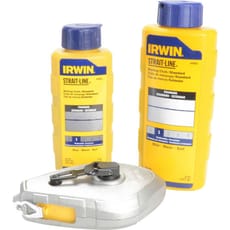
Marking Tools are the key product type in the Strait Line Hand Tools range. They are used for setting out building lines, marking cut lines, positioning fixings and laying out stud walls, floors, paths and patios. Use them to mark out accurately before cutting, drilling or fixing, saving time and reducing waste.
Common uses include:
- Setting out walls and partitions
- Marking timber and sheet material for cutting
- Laying out tiles, flooring and paving
- Marking fixing positions for shelving, cabling and brackets
Frequently Asked Questions
How do I choose the right Strait Line marking tool?
Consider the surface you are marking, the length of line you need and how visible the mark must be. For larger layouts such as walls or floors, choose a tool suited to longer straight lines. For smaller joinery tasks, pick something that gives a fine, precise mark.
How can I get the most accurate results with marking tools?
Start from a reliable reference point, keep the line taut or the tool steady, and check measurements before you mark. Make sure the surface is clean and dry so the mark shows clearly, and double-check the layout before cutting or drilling.