
Sirius Bars

Loading...
End of content
Error - No more pages to load
Sirius Bars at MyToolShed.co.uk
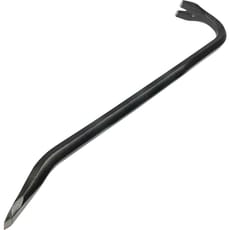
Sirius bars are built for demolition, strip-out, and general site work where you need leverage and a tool that holds up to hard use. The range centres on Sirius crow bars, which are used for prising, lifting, levering and separating materials on building sites, in workshops and around the home.
Whether you are a tradesman stripping out a room, a groundworker shifting heavy materials or a DIYer tackling a renovation, a solid steel bar is one of the most useful tools to keep within reach. Browse the Sirius crow bars below to find the right bar for your job.
Sirius Bars Features and Benefits
- Forged steel construction: Resists bending and snapping under load, so you can put your weight behind the bar with confidence.
- Flattened, angled prising end: Slips into tight gaps behind timber, skirting, flooring and cladding for controlled separation.
- Curved goose-neck style heads: Increase leverage and make it easier to pull nails and lift fixed boards.
- Durable finish: Helps protect against rust and wear when the bar is left in a van, toolbox or site store.
- Lengths to suit the task: Shorter bars give control in confined spaces, while longer bars provide extra leverage for heavier jobs.
Popular Sirius Bars
Sirius Crow Bars
The crow bar is the key product type in the Sirius bars category. It is a dependable all-rounder for demolition and strip-out, lifting floorboards, removing pallets and framing, pulling large nails, and levering heavy objects into position. Its simple one-piece design has no moving parts to fail, which is why it remains a staple for builders, carpenters, joiners, landscapers and maintenance teams.
Choose a longer bar when you need leverage for heavy lifting or stubborn fixings. A shorter bar is better for precise work in tight spots where space is limited.
Frequently Asked Questions
How do I choose the right size of crow bar?
Match the length to the job. Longer bars give more leverage for heavy demolition and lifting, while shorter bars are easier to handle and control in confined spaces such as under floors or behind fittings. If you only want one bar, a mid-length model is a versatile choice.
How should I use a crow bar safely?
Wear gloves, safety glasses and sturdy boots. Position the prising end firmly, apply steady pressure rather than sudden force, and keep your body clear of the bar's path in case it slips. Never extend the bar with a pipe, as this can overload it and cause it to fail.