
Sealey Riveting Tools

Loading...
End of content
Error - No more pages to load
Sealey Riveting Tools at MyToolShed.co.uk
Sealey riveting tools are built for fixing sheet metal, panels, brackets and enclosures where welding or bolting is impractical or leaves too much bulk behind. The selection covers riveters, riveter accessories and rivets, so you can match the tool, the nosepieces and the fixings to the job in hand.
Whether you are a vehicle bodyshop technician, a fabricator, an HVAC installer or a keen DIYer working in the garage, Sealey riveting tools give you a dependable way to join thin materials from one side only. Browse the child categories to build a complete setup from a single brand.
Sealey Riveting Tools Features and Benefits
- One-sided fixing: blind rivets can be set from the accessible side only, which is ideal for closed sections, panels and ducting.
- Multiple riveter formats: hand riveters suit occasional work and tight spaces, while heavier-duty options reduce effort on repeated or larger fixings.
- Interchangeable nosepieces: accessories allow one riveter to handle different rivet diameters, saving you buying a separate tool for each size.
- Compatible rivets: matching rivets help you achieve a neat, secure joint with consistent clamping force.
- Workshop-ready build: robust construction and comfortable handles help maintain control and reduce hand fatigue during longer jobs.
Popular Sealey Riveting Tools
Riveters
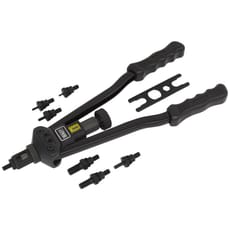
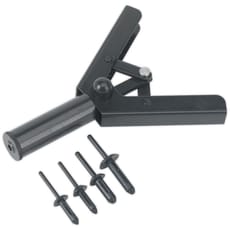
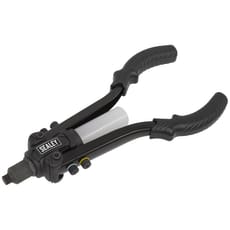
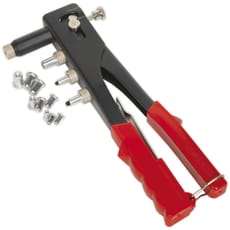
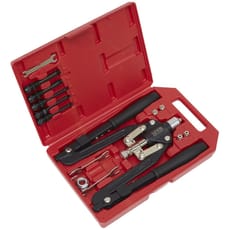
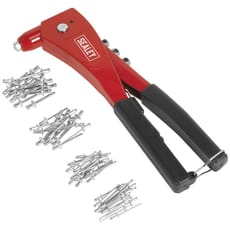
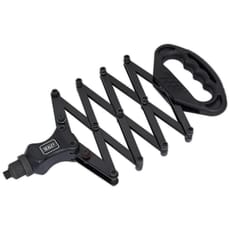
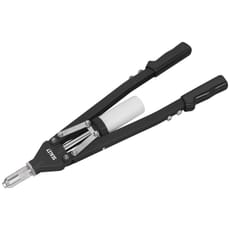
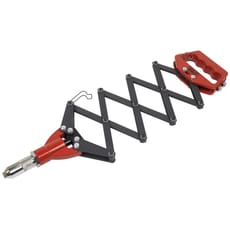
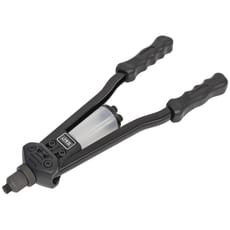
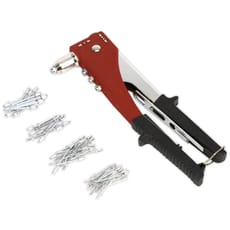
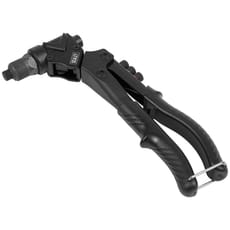
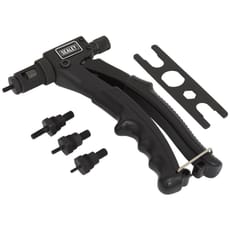
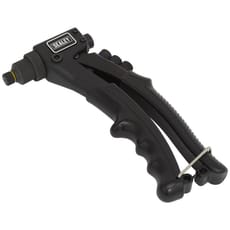
Hand-operated and heavier-duty riveters for setting blind rivets in sheet steel, aluminium and other thin materials. They are well suited to bodywork repairs, trailer building, signage and general fabrication.
Riveter Accessories
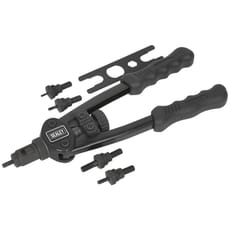
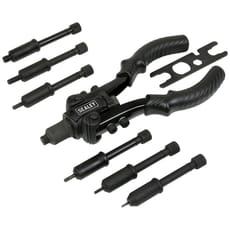
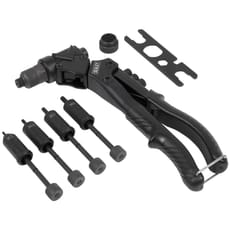
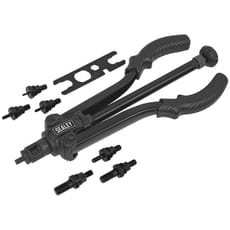
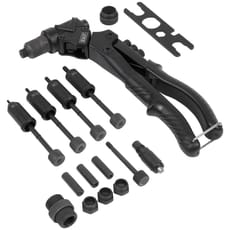
Replacement nosepieces and related parts keep your riveter working properly and help it handle different rivet sizes. Fitting the correct nosepiece is key to a clean, secure set.
Rivets
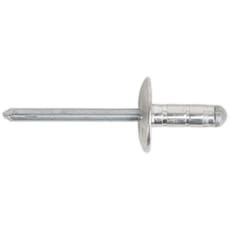
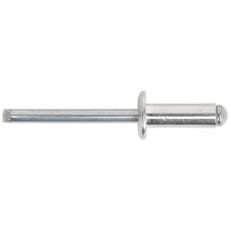
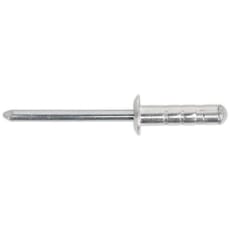
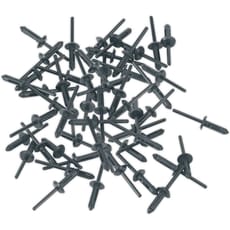
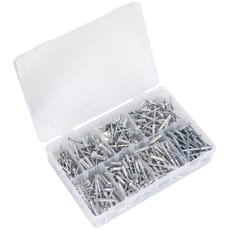
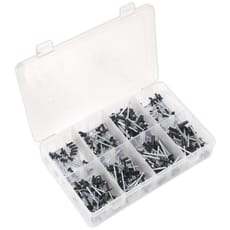
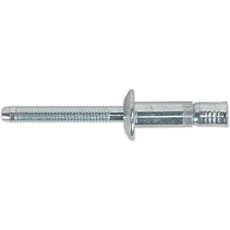
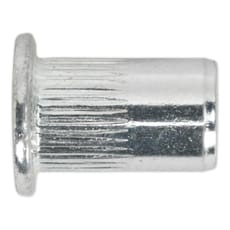
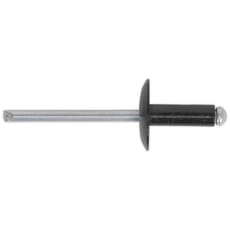
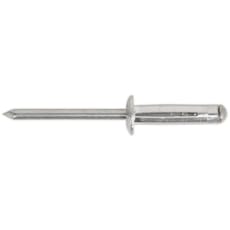
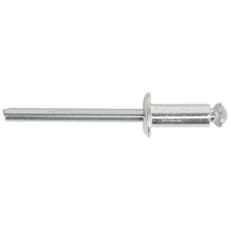
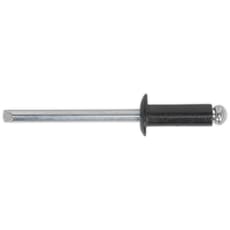
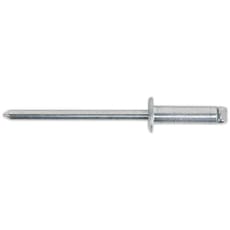
Blind rivets for everyday fixing tasks, from light panel work to workshop repairs. Choose the diameter, length and material to suit the thickness and type of material you are joining.
Frequently Asked Questions
How do I choose the right rivet and riveter?
Start with the material thickness and the hole size. The rivet needs to be long enough to pass through the materials and expand fully on the blind side, and your riveter needs a nosepiece that fits the rivet diameter. For frequent or larger fixings, a heavier-duty riveter will make the work easier.
Why is my riveter not setting rivets properly?
Common causes include a mismatched nosepiece, the wrong rivet length for the material thickness, or a worn part. Check that the nosepiece suits the rivet, push the tool fully against the work, and replace worn accessories where needed.