
Draper Precision Measuring





Loading...
End of content
Error - No more pages to load
Draper Precision Measuring at MyToolShed.co.uk
Draper Precision Measuring tools are made for accurate checking, marking out and setting up in workshops, garages, fabrication shops and engineering environments. The range covers instruments for measuring length, depth, diameter, angle, thread pitch and gap clearance, so you can verify work against tolerance rather than rely on guesswork.
Whether you are machining a component, setting up an engine or checking a fitted part, the Draper range at MyToolShed.co.uk gives you dependable measuring tools for hobby, DIY and professional use.
Draper Precision Measuring Features and Benefits
- Graduated metric scales: clear markings make readings quicker and reduce errors on the job.
- Hardened and ground working surfaces: help instruments hold their accuracy and resist wear with regular use.
- Locking mechanisms: lock a reading in place on tools such as callipers and micrometers, so you can lift off the workpiece and read it without it shifting.
- Fine-adjustment controls: allow small, repeatable adjustments when setting to a precise dimension.
- Protective storage: many precision instruments are supplied in cases, keeping delicate measuring faces clean and safe between jobs.
Popular Draper Precision Measuring
Measuring and Gauging
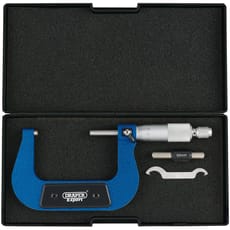
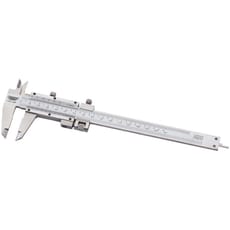
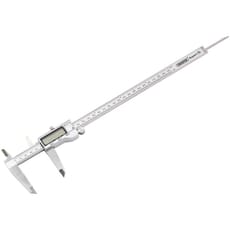
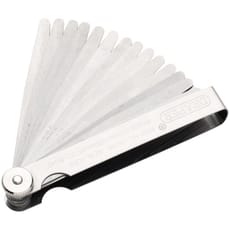
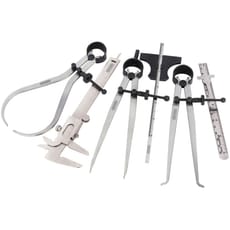
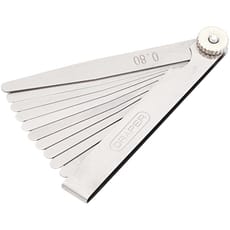
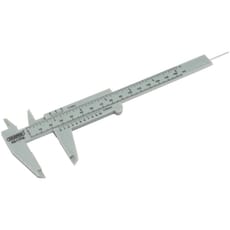
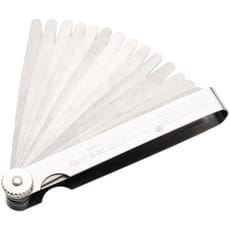
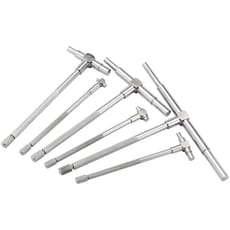
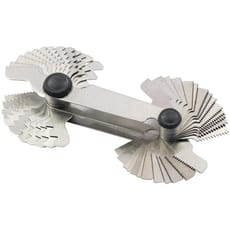
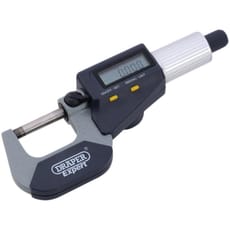
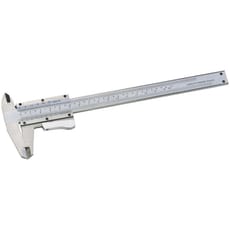
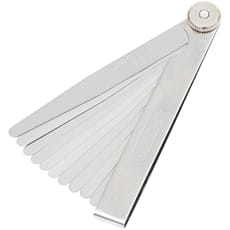
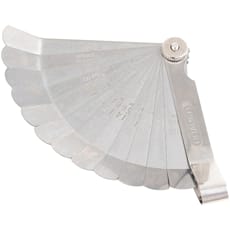
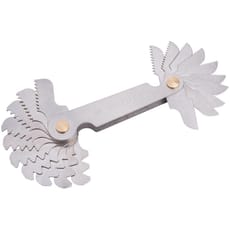
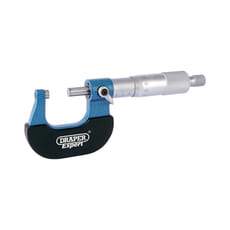
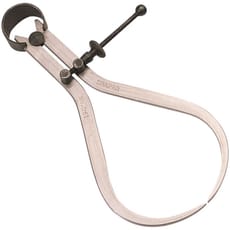
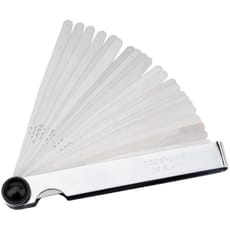
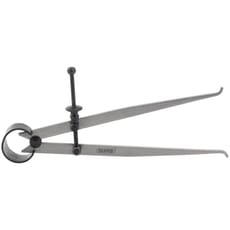
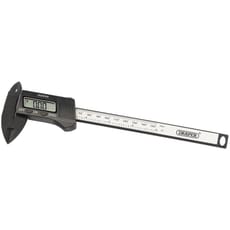
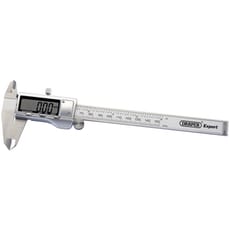
Vernier callipers and micrometers suit accurate external, internal and depth measurements. Telescopic gauges and spring callipers help transfer internal and external dimensions, while feeler gauges and strips check small gaps and clearances. Screw pitch gauges identify thread pitch quickly.
Setting Up and Marking Out
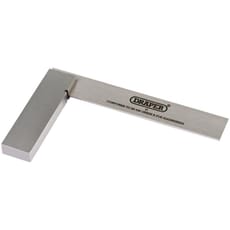
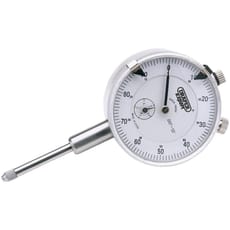
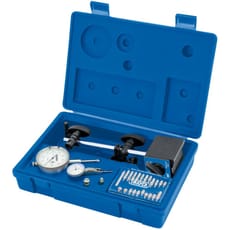
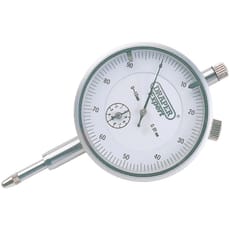
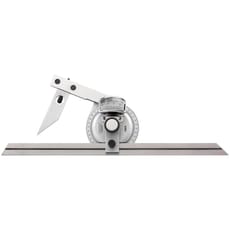
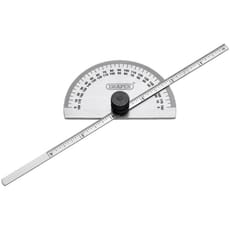
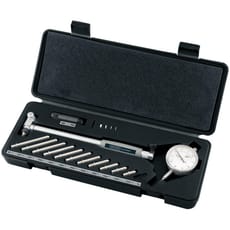
Engineers squares, combination sets, protractors and dividers are used for checking squareness, measuring angles and scribing accurate layouts. Dial indicators and magnetic stands are ideal for checking runout, alignment and flatness on machinery and workpieces.
Frequently Asked Questions
How do I choose between vernier callipers and a micrometer?
Vernier callipers are versatile and quick for external, internal and depth measurements across a wide range of sizes. A micrometer is better suited to finer, more repeatable measurements of a specific dimension, such as shaft diameters. Many workshops keep both.
How do I keep precision measuring tools accurate?
Wipe measuring faces clean before and after use, avoid dropping the instrument and store it in its case or a dry drawer. A light coat of oil on bare steel helps prevent corrosion. Check readings against a known reference regularly.