
Draper Mitre Blocks & Boxes


Loading...
End of content
Error - No more pages to load
Draper Mitre Blocks & Boxes at MyToolShed.co.uk
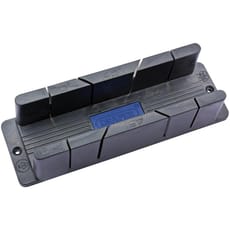
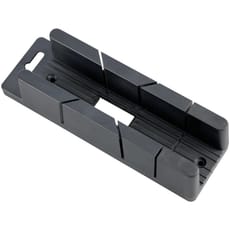
Draper mitre blocks and boxes give you a simple, reliable way to cut accurate angles in timber mouldings and trim by hand. They guide your saw at a fixed angle, so you can cut neat joints without a powered mitre saw. That makes them a sensible choice for fitting out a room, hanging a door or finishing a small project.
At MyToolShed.co.uk, this category covers Draper's mitre boxes, which suit joiners, carpenters, decorators and DIY users who want clean corners without setting up a power tool.
Draper Mitre Blocks & Boxes Features and Benefits
- Fixed angle saw guides: Slots set at common angles, such as 45° and 90°, help you repeat the same cut accurately and fit corners tightly.
- Compact and portable: A mitre box is easy to carry and use on site, on a workbench or on a stepladder, with no need for mains power or a 240v supply.
- Stable cutting support: The sides and base hold the workpiece steady, so you get a straighter cut with less wandering.
- Works with hand saws: Pair a mitre box with a suitable tenon or back saw for a smooth, controlled finish on delicate trim.
- Simple to maintain: With no moving parts or electrics, a mitre box is easy to keep in good working order.
Popular Draper Mitre Blocks & Boxes
Mitre Boxes
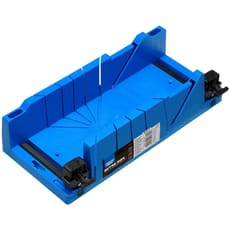
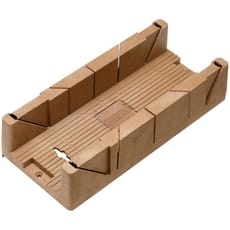
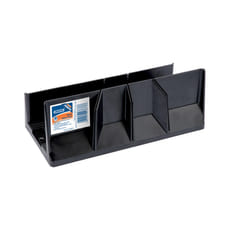
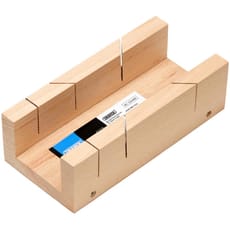
Mitre boxes are the main product type in this category. They suit cutting skirting boards, architrave, picture frames, coving and decorative beading. They are also useful for small cuts where setting up a mitre saw would take longer than the job itself. Choose a box that fits the width and depth of the timber you work with most.
Frequently Asked Questions
How do I choose the right Draper mitre box?
Check the maximum width and depth of the material you cut, and make sure the angles on offer match your work. For general trim and framing, 45° and 90° slots cover most jobs. Also match the box with a saw that fits the slot width.
How do I get a clean cut with a mitre box?
Hold the workpiece firmly against the back fence, or clamp it in place. Start the cut with light, steady strokes, letting the saw follow the slots. Use a fine-toothed saw for mouldings and avoid forcing the blade, as this helps prevent splintering.